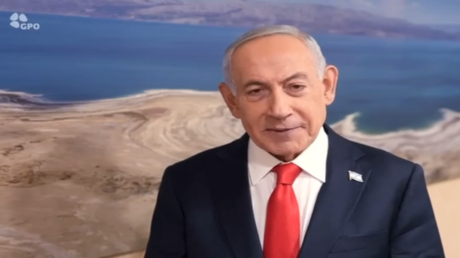
Israeli Prime Minister Benjamin Netanyahu announced that his country continues to execute "fierce attacks" targeting what he described as "the terrorist Iranian regime's objectives." In his recent statements, he confirmed that Israeli military operations have resulted in the elimination of the commander of the Iranian Revolutionary Guard's navy, reflecting a significant escalation in the confrontation between Israel and Iran.
Netanyahu, speaking at a press conference, indicated that these operations were conducted in cooperation with the United States, highlighting the close security coordination between Tel Aviv and Washington in addressing Iranian threats. This statement raised questions about the nature of Israeli military operations in the region and their impact on regional and international relations.
Details of the Event
In his remarks, Netanyahu emphasized that Israeli military operations primarily target Iranian military capabilities, especially those threatening Israeli national security. He explained that these attacks are part of a comprehensive strategy aimed at undermining Iranian influence in the region, which Netanyahu views as a direct threat to Israel and the Gulf Arab states.
He also noted that Tel Aviv would not hesitate to take any necessary steps to protect its security and that it would continue to work on enhancing its military capabilities and cooperating with its allies, particularly the United States, to confront increasing security challenges.
Background & Context
These statements come at a time of rising tensions in the Middle East between Iran and Israel, as the two countries exchange accusations regarding support for armed groups and military activities in the region. These tensions have escalated since the United States withdrew from the Iranian nuclear deal in 2018, leading to increased Iranian military activities in the area.
Historically, Israel has adopted a policy of "preventive strikes" against Iranian targets, particularly those linked to its nuclear program or military activities in Syria and Lebanon. In recent years, there have been several Israeli military operations targeting Iranian sites in Syria, provoking strong reactions from Tehran.
Impact & Consequences
These developments raise questions about how they will affect regional stability, as they may lead to greater escalation in confrontations between Iran and Israel. If Israeli military operations continue, Iran may take retaliatory steps, increasing the likelihood of a broader conflict in the region.
Furthermore, these events could impact relations between Arab countries and Iran, as concerns grow over Tehran's military activities in the region. These tensions may contribute to strengthening alliances between Arab states and Israel, especially in light of shared threats.
Regional Significance
Considering the potential impact on the Arab region, the escalation of tensions between Iran and Israel may lead to changes in regional alliances. Arab countries may find themselves facing difficult choices, needing to balance their national interests with the necessity of confronting Iranian threats.
Additionally, these events could affect regional security, potentially increasing tensions in areas such as the Gulf, negatively impacting economic and political stability in the region. Under these circumstances, Arab nations may need to enhance their security cooperation to address the growing challenges.
In conclusion, Netanyahu's recent statements reflect an escalation in the confrontation between Israel and Iran, underscoring the importance of international cooperation in addressing security threats. The question remains about how these events will unfold and their impact on security and stability in the region.