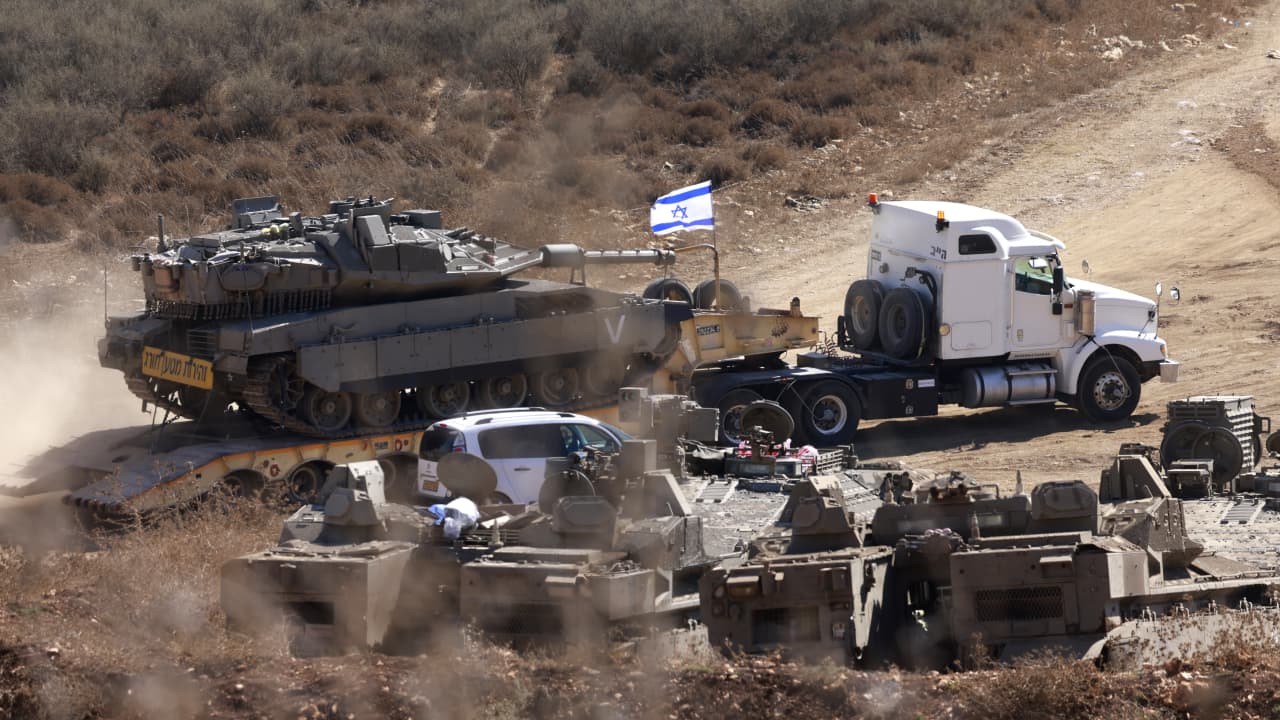
Israel is strengthening its military presence in southern Lebanon near the Litani River, announcing plans to establish a buffer zone. This step comes at a time when the region is experiencing increasing tensions, raising questions about its impact on Lebanon's security situation.
The Israeli plan includes deploying more troops and military equipment in the area, focusing on enhancing defenses against potential threats from Hezbollah. This occurs amid rising tensions between the two sides, with Hezbollah viewing any Israeli movements in this area as a threat to Lebanese security.
Details of the Event
Through this step, Israel aims to create a buffer zone along its border with Lebanon, where it can control the movement of individuals and materials. Israeli military sources have confirmed that the goal of this zone is to reduce the risk of cross-border attacks, especially given the ongoing threats from Hezbollah.
The plan also includes enhancing cooperation with international forces deployed in the region, which aim to maintain stability and prevent escalation. However, these steps may exacerbate tensions, as they are perceived as a violation of Lebanese sovereignty.
Background & Context
Historically, the Lebanese-Israeli border has witnessed numerous armed conflicts, with the area being the stage for several wars and struggles. In 2006, the Second Lebanon War broke out, leading to widespread destruction in Lebanon and catastrophic outcomes for both sides.
This move comes amid rising regional tensions, as Israel seeks to bolster its security in light of increasing threats from Iran and its allies in the region. Additionally, the situation in Syria, where Iranian forces are present, complicates the security landscape further.
Impact & Consequences
This step may escalate tensions between Israel and Hezbollah, threatening Lebanon's stability. Should any escalation occur, it could lead to serious humanitarian consequences, as civilians in Lebanon may face increased risks.
Moreover, these moves could affect relations between Lebanon and the international community, as they may be seen as a violation of international resolutions calling for the preservation of Lebanese sovereignty. Any escalation could also lead to new international interventions in the region.
Regional Significance
This step is part of Israel's broader policy in the region, aimed at enhancing its military and political influence. These moves may lead to increased tensions in the region, affecting overall regional security.
Furthermore, these events may raise concerns among neighboring Arab countries, as they could be viewed as a threat to regional security. Under these circumstances, Arab nations must take clear stances regarding Israeli escalation and work to enhance regional cooperation to address security challenges.
In conclusion, developments in southern Lebanon near the Litani River remain under observation, as any escalation could significantly impact the security situation in Lebanon and the region as a whole.