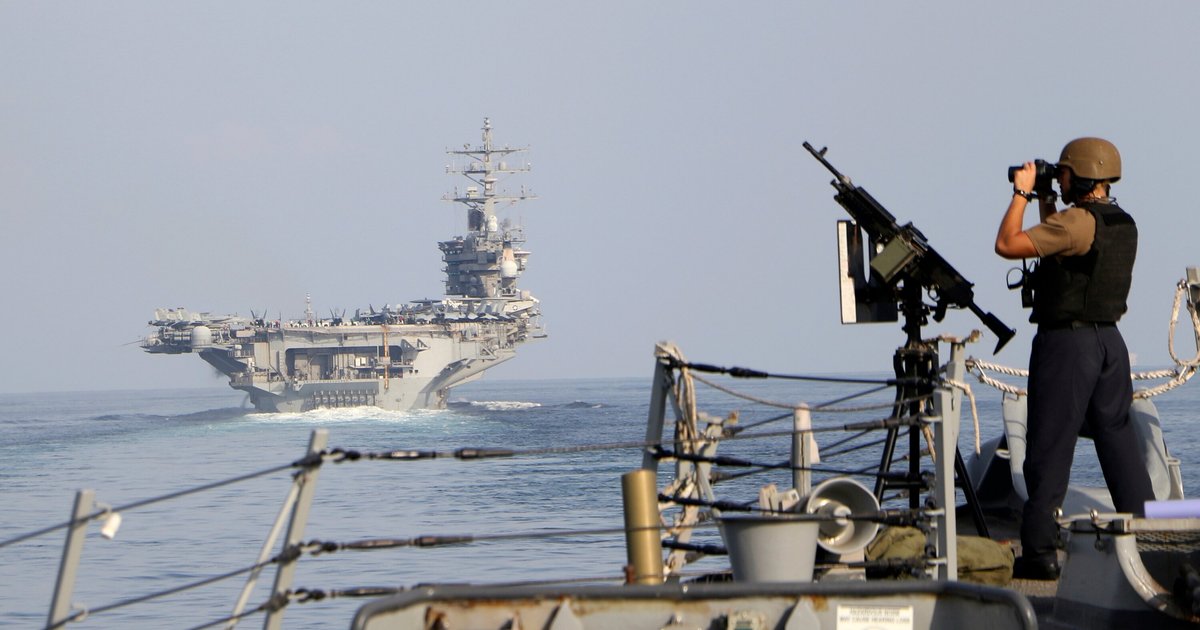
The Israeli military has heightened its readiness in the Red Sea following threats from the Houthis, who have launched ballistic missiles, drones, and cruise missiles towards Israel. This step is part of enhancing Israeli national security in the face of increasing challenges from armed groups in the region.
Israel aims to secure its maritime borders, considering the Red Sea a crucial strategic point for trade and security. Reports indicate that the Israeli army has deployed additional naval vessels in the area, reflecting its concern over potential escalation from the Houthis, who continue their threats against the Jewish state.
Details of the Incident
In recent days, the Houthis have fired several missiles towards the Red Sea, prompting the Israeli military to take swift action to increase its state of readiness. Aerial images have shown movements of Israeli naval forces, including warships and fighter jets, which have been deployed in the area to monitor any suspicious activities.
Military sources have reported that Israel has reinforced its military presence in the Red Sea, with additional special forces units sent to the region. These movements come at a sensitive time, as tensions in the area rise due to ongoing conflicts in Yemen and their impact on regional security.
Background & Context
Historically, the Red Sea has seen a rise in military activity, particularly from the Houthis, who control large parts of Yemen. The Houthis have used missiles and drones as a means to threaten their neighbors, including Saudi Arabia and Israel. These threats reflect the ongoing conflict in the region, which is influenced by various political and military factors.
It is noteworthy that the Houthis have received military and technical support from other countries, complicating the security situation in the area. These dynamics have heightened concerns in Israel, which views the Houthis as a direct threat to its national security.
Impact & Consequences
Israel anticipates that these tensions could lead to potential military escalation, which may affect stability in the region as a whole. Increased military preparations could provoke reactions from the Houthis, who might feel compelled to respond to these movements.
These events could lead to greater escalation in the conflict, negatively impacting regional security. Additionally, any escalation in the Red Sea could affect commercial shipping traffic, reflecting on the global economy.
Regional Significance
These developments are significant for the Arab region, as they reflect ongoing tensions between states and armed groups. These events may increase divisions among Arab countries, especially in light of the ongoing conflicts in Yemen and Syria.
Moreover, rising tensions in the Red Sea could impact relations between Arab states and Israel, potentially leading to further polarization in political stances. At the same time, some countries may seek to enhance security cooperation to address common threats.
In light of these developments, the situation in the Red Sea remains under scrutiny, as concerned nations await any potential escalation that could impact security and stability in the region.