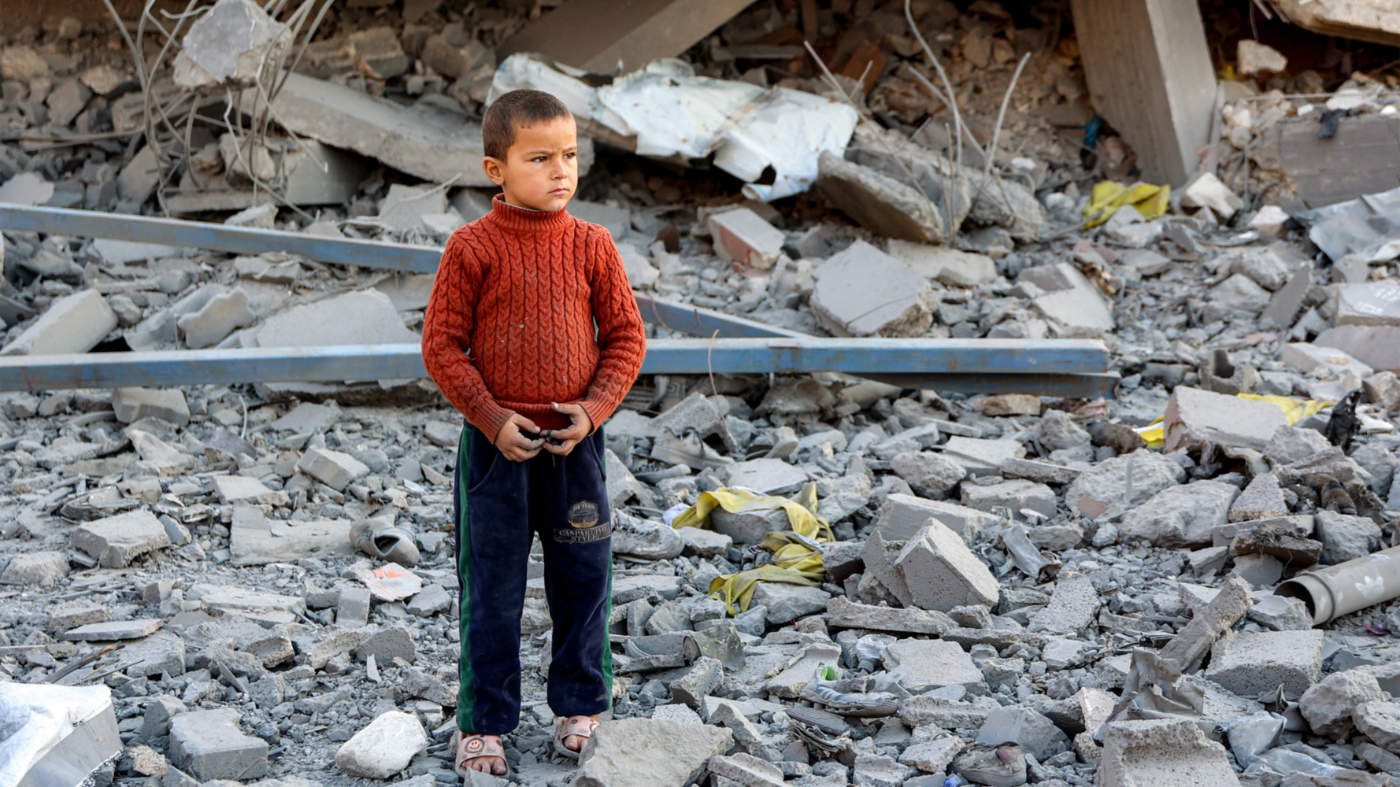
Israel continues its military escalation in Lebanon, with airstrikes resulting in over 1300 deaths and the displacement of more than 1 million people. These operations target civilian areas, including homes, mosques, and hospitals, raising international concerns about the humanitarian impact of this war.
The southern suburbs of Beirut, known as Dahiyeh, are among the most targeted areas. The Dahiyeh doctrine, which advocates for the use of excessive force against civilians, was first employed in this region nearly two decades ago. Since then, this strategy has been systematically applied by the Israeli army, especially during attacks on Gaza.
Details of the Current Conflict
At the onset of the current war that began on March 5, Israeli Finance Minister Bezalel Smotrich stated that Dahiyeh would soon resemble the city of Khan Younis in Gaza, which has faced extensive destruction. Reports indicate that this strategy aims to inflict suffering on civilian populations to generate public discontent against armed groups such as Hezbollah in Lebanon and Hamas in Gaza.
The Dahiyeh doctrine is based on the use of excessive force against civilians and infrastructure in areas where armed groups are alleged to operate. This strategy has faced severe criticism from human rights organizations, as it is considered a blatant violation of international law.
Background & Context
The origins of the Dahiyeh doctrine date back to the Israeli war on Lebanon in 2006, where Israeli General Udi Adam indicated that any attack within Lebanon is deemed legitimate. During that war, over 1200 people were killed, and more than 15000 homes were destroyed in Dahiyeh alone. This strategy has been repeatedly employed in subsequent conflicts, including the attacks on Gaza in 2008-2009 and 2014.
This strategy is inspired by the concept of shock and awe used during the American invasion of Iraq in 2003. This approach led to the deaths of thousands of civilians in Iraq, raising questions about the legitimacy of using excessive force in armed conflicts.
Impact & Consequences
The repercussions of employing the Dahiyeh doctrine extend beyond Lebanese borders, affecting regional security and stability in the Middle East. The increasing violence and destruction in Lebanon and Gaza threaten to escalate the conflict and heighten instability in the region. Additionally, this strategy exacerbates humanitarian crises, as civilians directly suffer the consequences of war.
Israel faces growing international criticism for its use of excessive force, as it is pressured by human rights organizations and the international community to comply with international humanitarian laws. Meanwhile, this strategy raises concerns about escalating violence in the region, potentially leading to new conflicts.
Regional Significance
The events in Lebanon and Gaza are part of a larger picture of the Arab-Israeli conflict, influencing relations between Arab states and Israel. The escalation of violence in Lebanon may provoke reactions from other Arab countries, increasing tensions in the region. Furthermore, the humanitarian impact of this war raises significant concerns among Arab populations, as many empathize with the suffering of civilians in Lebanon and Gaza.
In conclusion, the Dahiyeh doctrine remains a controversial topic, raising questions about the ethics of using force in armed conflicts. The humanitarian impact of this strategy necessitates effective action from the international community to protect civilians and ensure respect for human rights in armed conflicts.