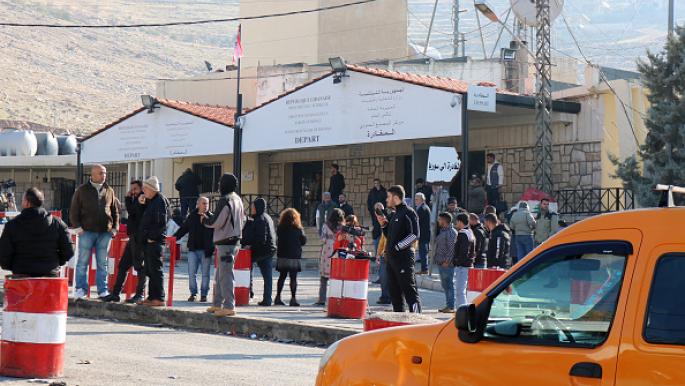
Israel continues to escalate its military operations in Lebanon, targeting bridges in the southern and Bekaa regions, raising concerns about the implications of these attacks on the security situation in the area. Additionally, threats have been issued against the Masnaa crossing, which is a vital point for trade and transport between Lebanon and Syria.
These attacks come at a sensitive time, as the region is experiencing increasing tensions, reflecting new changes in Israeli military strategy. The bombardment targeting the bridges is part of Israel's attempt to undermine Lebanese infrastructure, which could lead to a greater escalation in the ongoing conflict.
Details of the Incident
The Israeli forces targeted several bridges in different areas of Lebanon, leading to partial destruction. These attacks were not just ordinary military operations; they indicate a new strategic direction aimed at weakening Lebanon's ability to respond. Furthermore, the threats against the Masnaa crossing reflect Israel's desire to impose further pressure on the Lebanese government.
These developments are part of a series of events that have been ongoing for some time, with Israeli attacks on Lebanese territory increasing, raising questions about the true objectives behind these operations. At the same time, Lebanese resistance continues to warn of the dire consequences of any military escalation.
Background & Context
Historically, Lebanese-Israeli relations have been marked by ongoing tensions, with several wars and conflicts over the years. Since the 2006 war, Israel has attempted to change the military equations in the region but has faced strong resistance from Hezbollah. These recent developments come in the context of Israel's efforts to assert its dominance in the area.
On the other hand, Lebanon is suffering from severe economic and political crises, complicating the situation further. The Lebanese government faces significant challenges in dealing with internal crises, which may affect its ability to respond to Israeli escalation.
Impact & Consequences
The Israeli escalation in Lebanon could lead to serious repercussions for regional security. If the attacks continue, we may witness strong reactions from Lebanese resistance, potentially leading to a comprehensive military escalation. This escalation could also affect relations between Lebanon and other Arab countries, especially amid current political crises.
Moreover, the escalation may impact the economic situation in Lebanon, as the destruction of infrastructure will increase the burdens on the government and the Lebanese people. Given the current crises, any military escalation could exacerbate humanitarian conditions.
Regional Significance
These developments are part of the broader conflict in the region, where Israeli interests intersect with political situations in neighboring countries. The Israeli escalation could affect security in Syria and Iraq, where forces opposed to Israel are present. Additionally, any escalation could lead to an influx of refugees from Lebanon to neighboring countries, increasing the burdens on these nations.
In conclusion, the situation in Lebanon remains under close watch, as any military escalation could lead to radical changes in the regional landscape. It is crucial for Arab countries to remain vigilant to these developments and work to support Lebanon in facing the challenges it encounters.