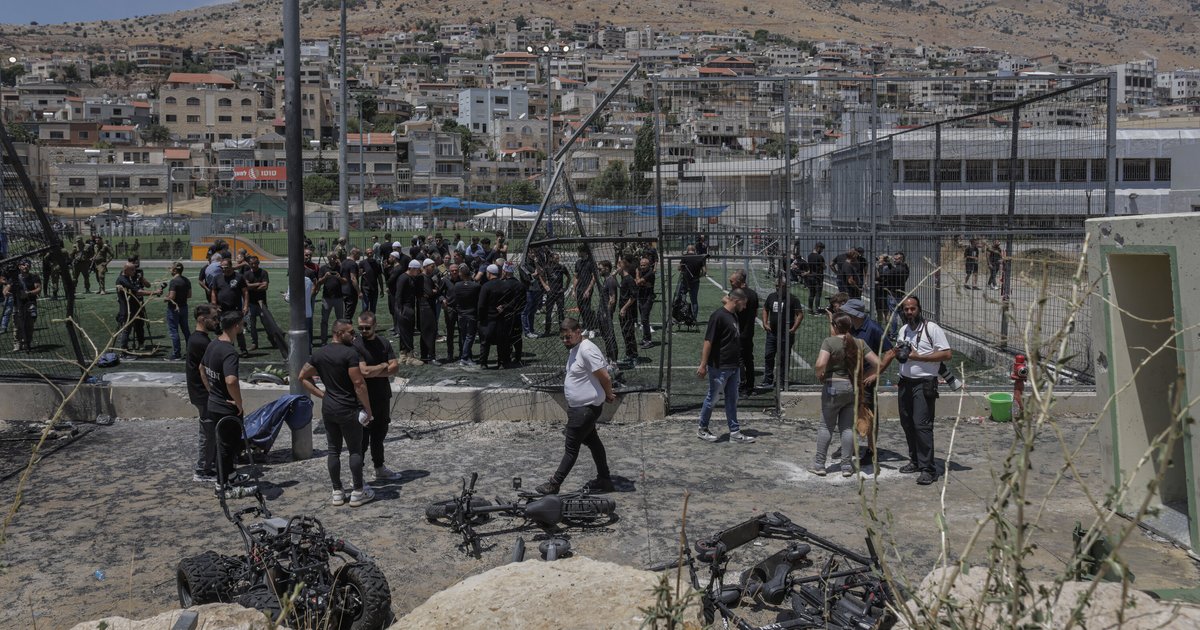
Israel has announced an expansion of its military aggression in southern Lebanon by sending an additional military division, raising concerns about a larger military escalation in the region. This decision comes as tensions along the border intensify, with Israel seeking to bolster its military presence in response to growing security challenges.
This move coincides with reports of repeated clashes between Israeli forces and armed groups in southern Lebanon, raising fears of a potential widespread conflict. The Israeli government has expressed its determination to take strict measures against any potential threats, reflecting a hardline policy towards national security.
Details of the Event
In light of these developments, Israeli military sources have confirmed that the new military division will enhance the capabilities of the forces deployed in the area. This step aims to strengthen deterrence against any potential attacks from Hezbollah or other armed groups. Additionally, air defenses in the region have been reinforced in anticipation of any escalation.
These measures come at a sensitive time, as fears of military escalation that could extend to other areas in the Middle East are rising. Analysts have pointed out that this escalation could have serious repercussions for regional security, especially given the tense situations in Syria and Iraq.
Background & Context
Historically, the Lebanese-Israeli border has experienced recurring tensions, with numerous clashes between the two sides. Since the 2006 war, skirmishes between Israeli forces and Hezbollah have continued, making the area one of the most volatile in the Middle East.
The political situation in Lebanon, including economic and political crises, has also contributed to the intensification of tensions. In this context, Israel is seeking to achieve security stability by enhancing its military presence along the border.
Impact & Consequences
This step could lead to a larger military escalation, which may negatively impact civilians in the region. Any escalation could also result in international interventions, as the global community closely monitors the situation. Some countries have warned that the escalation could lead to a new humanitarian crisis in Lebanon.
Moreover, these developments may affect Israel's relations with Arab countries, particularly in light of the normalization efforts witnessed in the region in recent years. The escalation could undermine these efforts and increase divisions within the region.
Regional Significance
This escalation serves as a wake-up call for Arab countries, as any military conflict could extend its impact to neighboring states. The situation in Lebanon could also affect stability in countries like Syria and Iraq, threatening regional security as a whole.
In conclusion, the situation in southern Lebanon remains under close observation, as any new movements could lead to significant changes in the security landscape of the region.