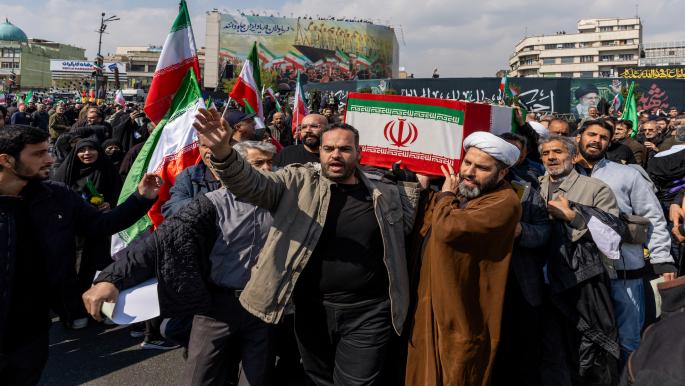
Israel has announced a strategic shift in its policy towards Iran, moving from cautious elimination of nuclear scientists to directly targeting military leaders in Syria and conducting operations within Iran. This step reflects a notable escalation in the confrontation between Tel Aviv and Tehran, raising questions about the security and political implications of this escalation.
In recent years, Israel relied on covert operations targeting Iranian nuclear scientists, aiming to undermine Iran's nuclear program without engaging in direct confrontation. However, the situation appears to have changed, as Israel has begun targeting Iranian military leaders in Syria, indicating a shift in its military strategy.
Details of the Events
Reports indicate that recent operations carried out by Israel in Syria targeted prominent Iranian military leaders, reflecting growing Israeli concern over Iranian influence in the region. In recent days, there has been an escalation in Israeli attacks, targeting Iranian military sites in Syria, resulting in the deaths of several military leaders.
The matter does not stop at Syria alone; it has extended into Iran, where direct targeting of Iranian military leaders has been observed. This escalation reflects a new strategy aimed at directly undermining Iranian military capabilities, which could lead to strong reactions from the Iranian side.
Background & Context
Historically, relations between Israel and Iran have been tense, with Israel viewing Iran as an existential threat. Since the Islamic Revolution in 1979, relations between the two countries have taken a hostile turn, with Israel accusing Iran of supporting hostile armed groups, such as Hezbollah in Lebanon and Hamas in Gaza.
In recent years, Iran has increased its support for militias in Syria and Iraq, prompting Israel to take preemptive actions. The past years have seen numerous Israeli military operations against Iranian targets in Syria, but the recent escalation represents an unprecedented step toward directly targeting Iranian military leaders.
Impact & Consequences
This escalation could lead to heightened tensions in the region, as Iran is likely to respond to these operations in various ways, either by targeting Israeli interests in the region or by supporting armed groups. Additionally, these operations could affect relations between Israel and Arab countries, especially amid ongoing normalization efforts in the region.
Moreover, these steps may impact nuclear negotiations between Iran and major powers, as Iran might view these operations as an attempt to undermine its position in the negotiations, potentially complicating the situation further.
Regional Significance
These developments pose a threat to regional security, as they may lead to an escalation of armed conflicts in the area. Arab countries striving for stability may find themselves in a difficult position, needing to deal with the repercussions of this escalation.
Furthermore, these events could affect peace efforts in the region, as they may increase tensions between Arab countries and Israel, complicating normalization efforts and heightening divisions in the area.
In conclusion, the Israeli escalation in targeting Iranian military leaders represents a significant shift in the regional conflict, necessitating close monitoring by the international community and Arab countries.