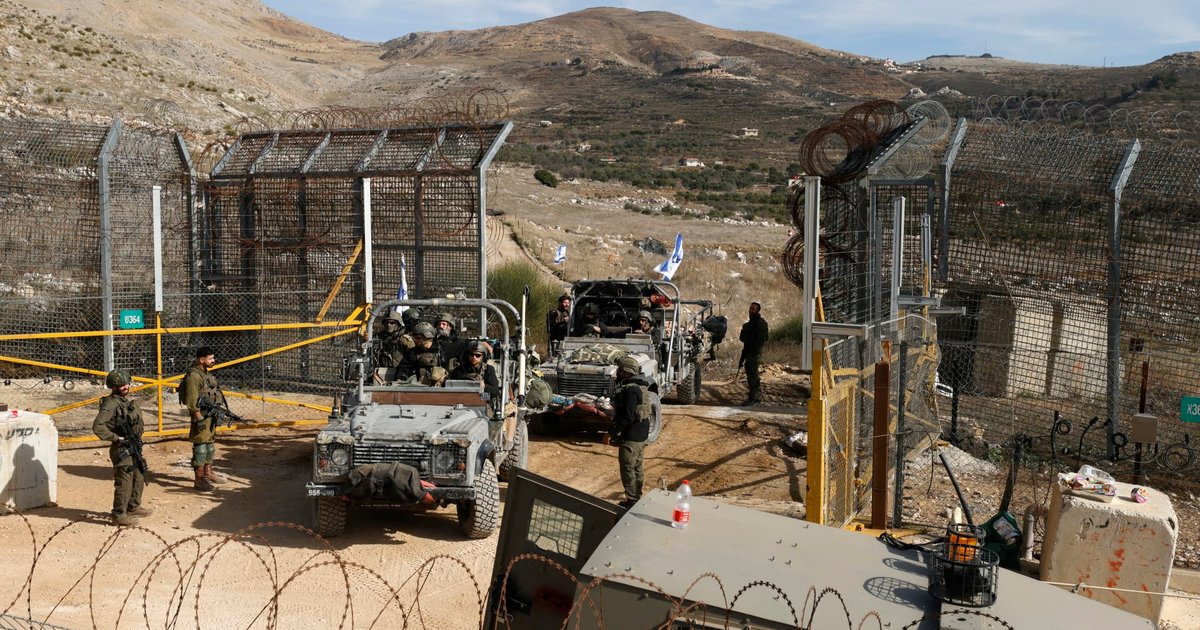
Israeli Prime Minister Benjamin Netanyahu announced on Wednesday the commencement of the expansion of the 'buffer zone' in southern Lebanon, a step taken as Israel continues its military campaign against Hezbollah. In a video statement, Netanyahu confirmed that Israel has established a 'real security zone' aimed at preventing any infiltration into the Galilee and northern borders.
Netanyahu added that the expansion of this area is part of efforts to distance the threat of anti-tank missiles, noting that this step is deemed necessary to ensure Israeli national security.
Details of the Announcement
Netanyahu's statements come at a sensitive time as tensions escalate along the Lebanese-Israeli border. He indicated that Israeli forces are working to bolster their military presence in the area, reflecting an Israeli strategy aimed at strengthening defenses against any potential attacks from Hezbollah.
He also clarified that the expansion of the buffer zone would contribute to providing greater protection for Israeli cities near the border, especially amid the ongoing escalation between the two sides. Concerns have increased regarding Hezbollah's use of advanced weapons, prompting Israel to take additional precautionary measures.
Background & Context
Historically, the Lebanese-Israeli border has witnessed ongoing tensions, with Hezbollah being one of the prominent armed factions in Lebanon. Israel and Hezbollah have fought several wars in the past, the most notable being the 2006 war. Since then, Israel has sought to enhance its security along the border by establishing buffer zones and intensifying its military presence.
This step is considered part of a broader Israeli strategy aimed at addressing security threats from surrounding entities, especially in light of increasing regional conflicts. Furthermore, the expansion of the buffer zone may impact relations between Lebanon and Israel, potentially leading to heightened tensions in the region.
Impact & Consequences
This move could escalate tensions between Israel and Hezbollah, which may adversely affect regional security. Additionally, the expansion of the buffer zone could provoke reactions from the Lebanese government, which may view this as a violation of its sovereignty.
Moreover, these developments may impact the humanitarian situation in the area, where many civilians live near the border. Military operations could exacerbate humanitarian conditions, necessitating urgent international response.
Regional Significance
These events are of significant importance to the Arab region, highlighting the ongoing tensions between Israel and neighboring countries. Such developments could increase divisions among various factions in Lebanon and affect stability in the region as a whole.
Furthermore, military escalation may prompt Arab nations to reassess their security and military strategies, especially in light of growing threats from armed groups. Ultimately, these events could lead to changes in regional alliances, warranting close monitoring by the international community.