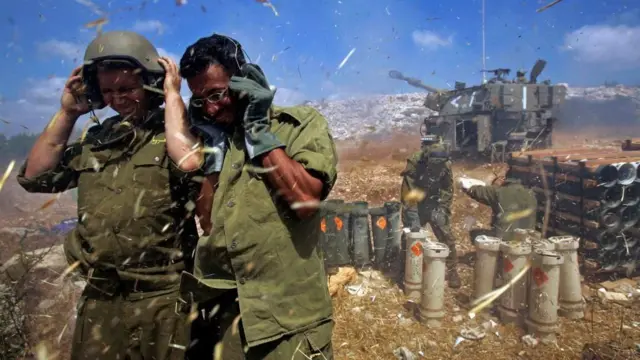
The Israeli army has announced an expansion of its ground and air operations in Lebanon, raising concerns about the potential preparation for a large-scale military operation. This announcement comes at a time when the security situation in the region is witnessing a notable escalation, prompting questions about the true objectives behind these military steps.
This escalation is considered part of a long-term Israeli strategy aimed at enhancing control over the northern borders, especially in light of increasing threats from armed groups such as Hezbollah. Many observers have pointed out that these operations may be a prelude to a comprehensive military action against specific targets in Lebanon.
Details of the Operations
According to official data, the Israeli military operations include intensive airstrikes on sites believed to be affiliated with Hezbollah, in addition to ground movements along the border. Reports have noted an increase in the number of Israeli warplanes flying in Lebanese airspace, reflecting an unprecedented escalation in military activities.
Military sources have also reported that Israeli forces have been ordered to prepare for larger operations, raising fears of an escalation that could lead to a full-scale armed conflict. Meanwhile, the Lebanese government continues to warn of the dire consequences of any military escalation, emphasizing the need to maintain stability in the region.
Background & Context
Historically, the Lebanese-Israeli border has witnessed numerous armed conflicts, the most recent being in 2006 during the Second Lebanon War. Since then, the situation has maintained a level of tension, but the recent escalation reflects a change in regional dynamics.
These operations come amid complex political circumstances in Lebanon, where the country is suffering from severe economic and political crises. Additionally, the tense regional situation, including conflicts in Syria and Iraq, complicates the security landscape.
Impact & Consequences
The Israeli military operations could lead to greater escalation in the region, threatening Lebanon's stability and increasing civilian suffering. Any escalation may also draw other countries into the conflict, creating a new humanitarian crisis in the area.
Concerns are growing that these operations could provoke reactions from Hezbollah, which may feel compelled to respond to Israeli attacks, potentially leading to a cycle of violence that is difficult to control.
Regional Significance
In light of these developments, neighboring Arab countries are closely monitoring the situation, as any escalation in Lebanon could impact regional security. Arab nations seeking stability in the region may find themselves facing new challenges as a result of these military operations.
In conclusion, the situation in Lebanon remains precarious, teetering between hope for peace and fear of escalation, necessitating immediate international intervention to prevent worsening conditions.