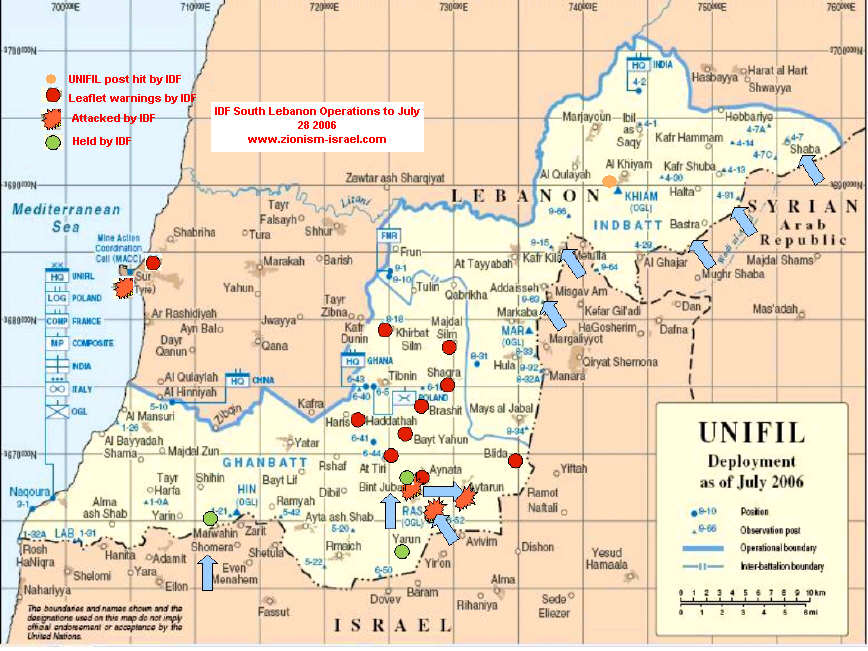
Israeli Prime Minister Benjamin Netanyahu announced the military's directive to expand the security buffer zone in southern Lebanon as part of the Israeli government's efforts to enhance security in border areas. This decision comes at a time when the security situation in the region is increasingly tense, raising concerns about escalating hostilities.
Netanyahu confirmed in press statements that this decision is part of a comprehensive strategy to protect Israeli borders, noting that the military will implement these directives immediately. He explained that expanding the buffer zone will help reduce potential risks from any attacks that may come from Lebanese territory.
Details of the Expansion Plan
The plan to expand the buffer zone includes bolstering Israeli military forces along the border, as well as establishing new checkpoints and expanding aerial surveillance. These measures aim to improve the ability to monitor any suspicious movements that could threaten Israeli security. The Israeli government hopes that these steps will deter any attempts by armed groups in Lebanon.
This decision comes at a sensitive time, as fears grow over escalating tensions between Israel and Hezbollah, especially following a series of recent border incidents. The expansion of the buffer zone is viewed as a preemptive step aimed at preventing any potential escalation in the future.
Background & Context
Historically, the Lebanese-Israeli border has experienced ongoing tensions, with the area being the scene of several military conflicts between the two sides. Since the 2006 Lebanon War, Israel has taken stringent security measures along the border, including the establishment of a buffer zone. However, recent developments, including Hezbollah's military activities, have prompted the Israeli government to reassess its security strategy.
The buffer zone is considered part of Israel's defensive policy, aimed at protecting Israeli civilians from any potential threats. However, expanding this area could lead to increased tensions with Lebanon and may impact relations between the two countries.
Impact & Consequences
The expansion of the buffer zone is expected to have multiple effects on the security situation in the region. On one hand, it may enhance Israeli security and reduce risks; on the other hand, it could escalate tensions with Hezbollah, increasing the likelihood of new military confrontations.
This move may also affect the humanitarian situation in border areas, potentially causing displacement of local populations or increasing restrictions on movement. Consequently, the expansion of the buffer zone could have negative impacts on the daily lives of civilians on both sides.
Regional Significance
This step is part of the complex security landscape in the Middle East, where tensions between regional powers are on the rise. The expansion of the buffer zone may affect relations between Arab states and Israel, especially amid some Arab nations' attempts to normalize relations with Israel.
Ultimately, these developments remain a significant concern for the international community, as everyone seeks to avoid any escalation that could impact stability in the region. The steps taken by Israel in this context may have far-reaching implications for regional security.