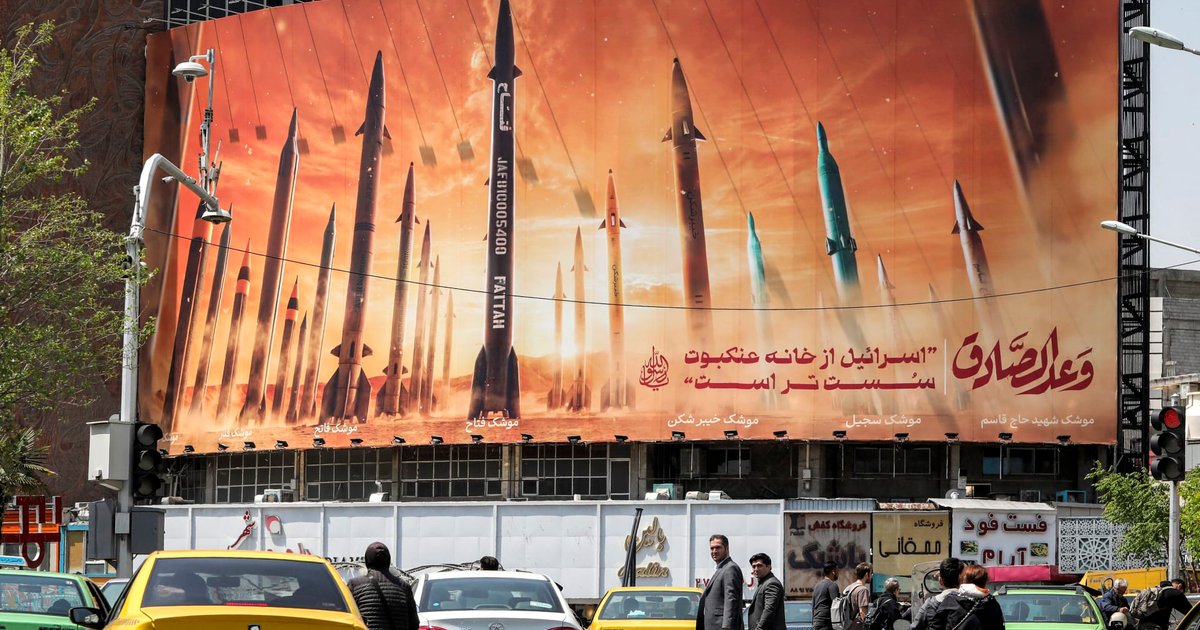
Israel is increasingly worried about the possibility of a deal between the United States and Iran, with the Israeli government voicing concerns about the implications of such an agreement. This comes after surprising statements from U.S. President Donald Trump on the matter, raising questions about Tel Aviv's readiness to confront this scenario.
In a comment on the statements, Israeli Prime Minister Benjamin Netanyahu stated that he spoke with Trump regarding this issue, indicating that Israel will do everything in its power to prevent any agreement that could harm its security interests. Netanyahu expressed concern that any agreement might ease pressures on Iran, potentially allowing it to enhance its nuclear program.
Details of the Event
Trump's statements regarding the possibility of reaching an agreement with Iran have elicited mixed reactions in Israel. Some political circles considered this announcement a shift in U.S. policy towards Iran, while others viewed it as merely a non-binding statement. Reports have shown a division of opinions regarding the Israeli government's readiness to confront this development.
At the same time, Israeli media has noted an increase in concern among military and security officials that any agreement could lead to the lifting of sanctions on Iran, enabling it to bolster its military and nuclear capabilities. Some analysts have pointed out that this concern is not new but is intensifying under current circumstances.
Background & Context
The roots of tensions between Iran and Israel date back decades, with Israel viewing Iran as an existential threat. Recent years have seen an escalation in tensions, especially following the U.S. withdrawal from the Iranian nuclear deal in 2018. Since then, Israel has taken multiple steps to prevent Iran from developing its nuclear program, including carrying out military operations against Iranian targets in Syria.
In this context, Trump's statement adds complexity to the situation, as any potential agreement could reshape alliances in the region and impact regional stability. Some Arab countries, such as Saudi Arabia, have expressed concern over any U.S. rapprochement with Iran, further heightening tensions in the area.
Impact & Consequences
If an agreement is reached between the United States and Iran, it could lead to radical changes in regional policy. Lifting sanctions on Iran could enhance its influence in the region, negatively affecting Israeli national security. This may also raise concerns among neighboring Arab countries, which view Iran as a threat to their security and stability.
Moreover, this agreement could impact relations between the United States and its allies in the region, as some countries may feel that their interests have been overlooked. This could lead to a reevaluation of regional alliances, potentially creating further tensions in international relations.
Regional Significance
Arab countries, especially those in the Gulf, consider any U.S. rapprochement with Iran a threat to their national security. Many nations have expressed concern that any agreement could grant Iran more power and influence in the region, potentially escalating tensions. These countries may find themselves compelled to reassess their security and military strategies in light of these developments.
In conclusion, the question remains open regarding how events will unfold in the coming days and weeks. Israel will continue to closely monitor any developments in this file, as any agreement could significantly impact the future of security in the region.