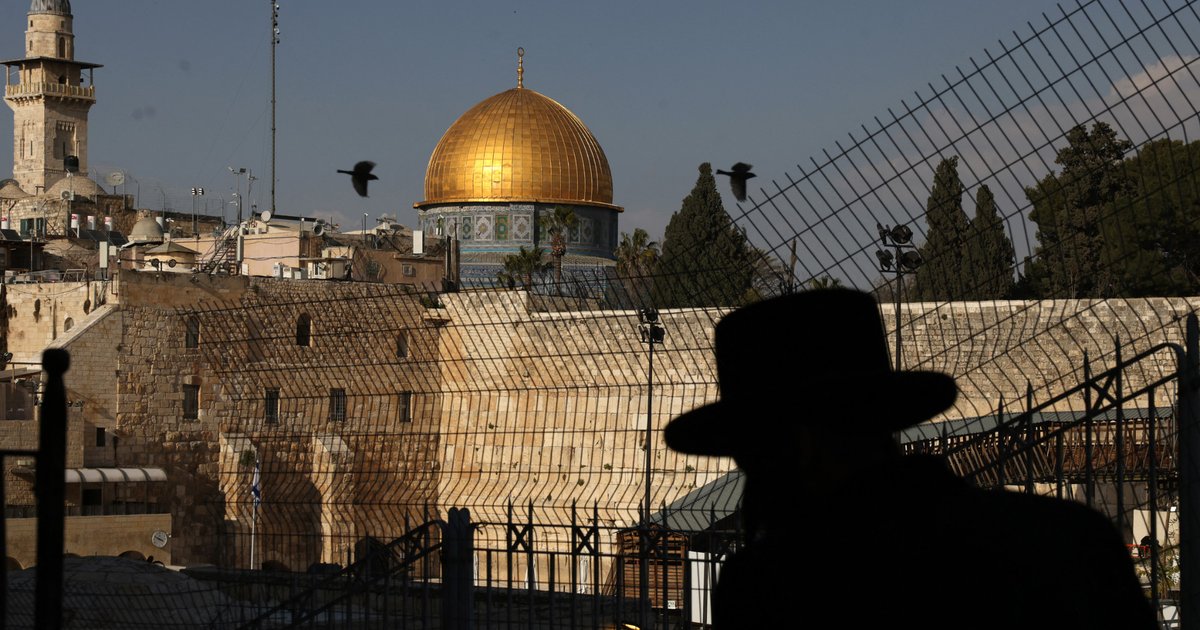
Israeli authorities have extended the closure of Al-Aqsa Mosque in occupied East Jerusalem until April 15, 2026, according to sources familiar with mosque affairs. Israeli officials informed the Islamic Waqf in Jerusalem, appointed by Jordan, of the extension decision on Wednesday.
It remains unclear whether the mosque will reopen after April 15 or if the closure will be extended further. Al-Aqsa has been closed since February 28, when Israel launched a war with the United States against Iran. Israeli officials have cited public safety concerns to justify the closure and prevent worshippers from entering, while Palestinians accuse Israeli authorities of using the war as a pretext to tighten control over the mosque.
Details of the Situation
While the mosque and the Old City remain under near-total lockdown, life in other parts of Jerusalem continues normally, with large gatherings and religious events taking place without restrictions. Critics have pointed out the lack of shelters available for Palestinians in Jerusalem and across Israel, raising doubts about whether adequate measures have been taken to protect them from rockets or debris from interceptions.
It is noteworthy that Al-Aqsa Mosque has underground facilities capable of sheltering hundreds of people, which could be utilized in emergencies. The current closure, nearing a month, is unprecedented, as the mosque has not been closed to Muslim worshippers for an extended period since Israel's occupation of East Jerusalem in 1967.
Background & Context
This move comes amid ongoing efforts to increase Jewish presence at the site while restricting Palestinian access. Al-Aqsa is believed to be located on a plateau that Jews consider the site of the First and Second Temples, and some believe the Third Temple will be built there after the arrival of the Messiah.
For decades, extremist Israeli nationalist groups have called for the demolition of the mosque to build such a temple. The closure has been condemned by the Palestinian Authority, numerous Arab and Islamic countries, and prominent religious figures. Ikrema Sabri, the former Mufti of Jerusalem and Imam of Al-Aqsa, described the closure as "unjustified" and "illegal."
Impact & Consequences
The Jerusalem Governorate considers the ongoing closure to be an "unprecedented escalation" and an attempt to impose dangerous Judaization measures at Al-Aqsa. It emphasized that all Israeli actions, including the complete closure of the mosque, constitute serious violations of international humanitarian law and international resolutions, as well as a clear violation of the status quo governing holy sites.
Many countries, including Egypt, Indonesia, Jordan, Pakistan, Qatar, Saudi Arabia, Turkey, and the United Arab Emirates, have condemned the closure. Israeli control over East Jerusalem, including the Old City, is viewed as a widespread violation of international law, which stipulates that the occupying power has no sovereignty over the territories it occupies and should not make permanent changes there.
Regional Significance
This closure represents an escalation in tensions between Palestinians and Israelis, raising concerns among Arab nations seeking to support Palestinian rights. The continuation of these Israeli policies could exacerbate conditions in the region and increase resentment among Palestinians and Arabs in general.
In conclusion, the closure of Al-Aqsa Mosque marks a dangerous step in the context of the Israeli-Palestinian conflict, reflecting rising tensions in the region and necessitating an urgent Arab and international response to uphold Palestinian rights and freedom of worship at holy sites.