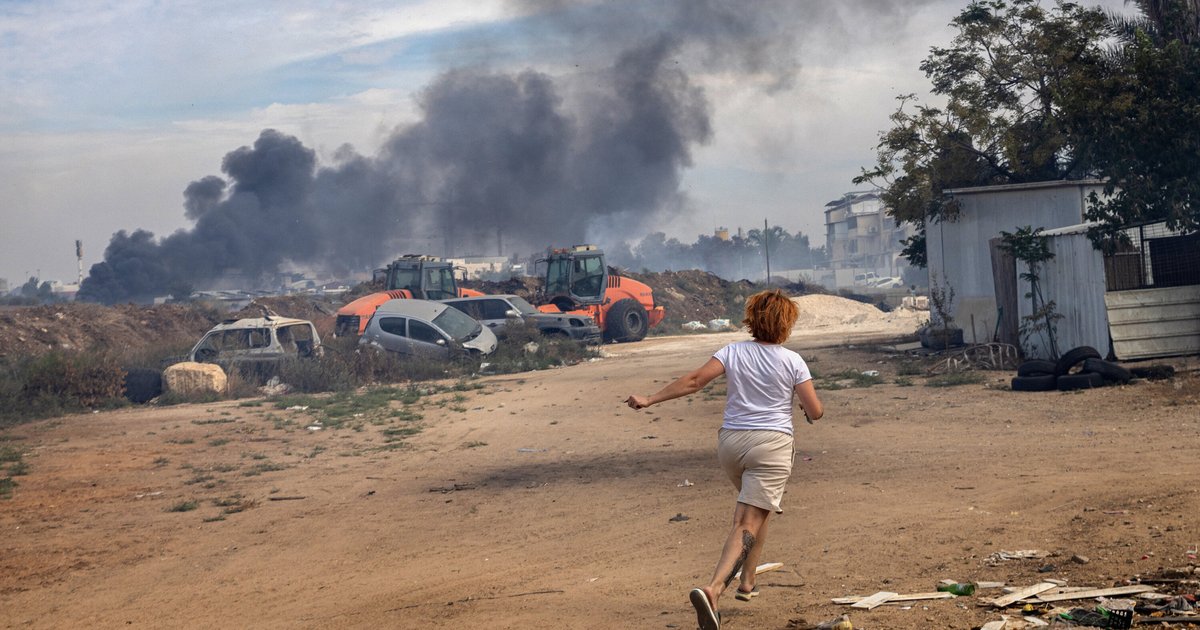
One month after the start of the Israeli war against Iran, the situation appears more complex than Tel Aviv had anticipated. Israeli Prime Minister Benjamin Netanyahu announced at the beginning of military operations the goal of eliminating what he described as an "existential threat" posed by the Iranian regime, urging the Iranian people to rise up against their government. However, reports indicate that Israel is facing an unprecedented state of exhaustion, with human and economic losses increasing significantly.
In the early days of the war, Netanyahu had asked Israelis to be patient, expecting the conflict to be short-lived. But today, after a month of fighting, things seem more complicated, with estimates suggesting that Iranian missile capabilities have not been significantly affected, while Israeli losses have increased.
Details of the Conflict
According to Haaretz, the war has so far resulted in the deaths of 23 Israelis due to Iranian missile attacks, while 5,689 injured individuals have been hospitalized. Data from the Israeli National Security Studies Institute indicates that 4,800 Israelis have been forced to evacuate their homes. Since the beginning of the war, Iran has launched over 550 missiles and 765 drones at Israeli territory, reflecting an unprecedented escalation in the conflict.
Israel is imposing a blackout on information related to casualties, with strict media censorship, which heightens anxiety within Israeli society. A recent opinion poll showed that 82% of Israelis expect the war to last a maximum of one month, while 81% support military operations. However, current figures indicate a widening gap between the aspirations of Israelis and the harsh reality they face.
Background & Context
Historically, relations between Israel and Iran have been tense, with Tel Aviv considering Tehran an existential threat. For years, Israel has sought to undermine Iranian military capabilities, but this war comes in a changing context, with regional tensions significantly escalating. In recent years, Iran has increased its military capacity, making it a greater challenge for Israel.
This war coincides with diplomatic efforts between the United States and Iran, as Washington seeks to reach a new nuclear agreement with Tehran. These dynamics make it difficult for Israel to achieve its objectives without clear American support.
Impact & Consequences
Israel faces significant challenges in managing the war, with estimates suggesting that the costs of the conflict in the initial weeks have reached approximately $6.4 billion, with a daily rate of nearly 1 billion shekels. Reports indicate that the budget allocated for war management amounts to around 39 billion shekels, reflecting the substantial economic burden borne by Tel Aviv.
Under these circumstances, experts expect the war to continue for a longer period, as military preparations indicate that Israel may need more time to achieve its goals. However, the continuation of the war could exacerbate economic and social conditions in Israel, increasing pressure on the government.
Regional Significance
The war between Israel and Iran is a significant event affecting stability in the Arab region. The escalation of tensions between the two sides could have negative repercussions for neighboring countries, especially given the presence of Iranian allies in the region. Furthermore, the continuation of the war could enhance instability in Lebanon and Syria, where armed factions linked to Iran are present.
In conclusion, it seems that Israel is facing a real dilemma in managing the war against Iran, as challenges and losses are mounting, placing the government in front of difficult choices. The continuation of the conflict could alter the balance of power in the region and significantly impact regional security.