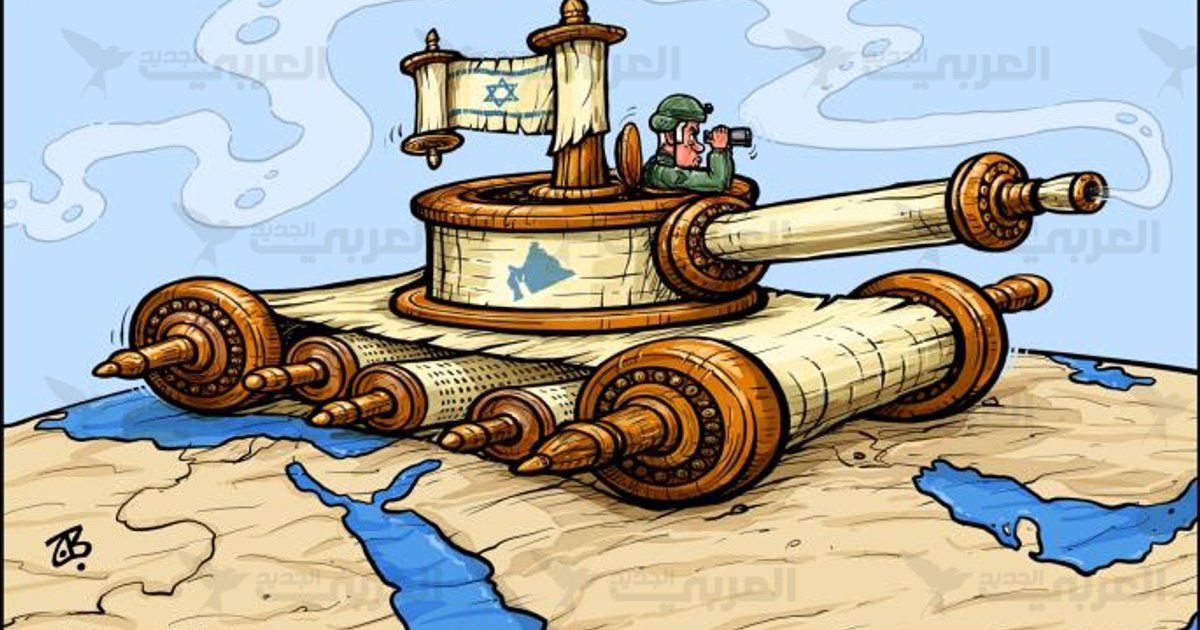
Israel is experiencing growing psychological and popular isolation on the global stage, raising concerns about its future in the region. This isolation is not just an internal sentiment; it reflects a decline in international support, which could lead to serious repercussions for its political and military strategies.
In recent years, Israel has witnessed a noticeable decline in relations with several Western countries, alongside increasing criticism from international organizations. This situation reflects a shift in global public opinion towards Israeli policies, particularly regarding the Palestinian conflict.
Details of the Situation
There are multiple reasons that have led to this isolation, starting from settlement policies in the West Bank to the handling of Gaza. These policies have not only exacerbated humanitarian conditions but have also led to a decline in support from countries that were once considered allies of Israel. Reports indicate that many countries have begun to reassess their relationships with Tel Aviv, further increasing its isolation.
Moreover, recent events in the region, such as rising tensions in Jerusalem and the West Bank, have contributed to reinforcing this isolation. Polls have shown a decline in popular support for Israel in many European countries, reflecting a shift in the general mood towards its policies.
Background & Context
Historically, Israel has relied on support from the United States and Western countries as part of its security strategy. However, geopolitical changes in the region, including the rise of new powers such as Iran and Turkey, have led to a reshaping of alliances. This change in the regional landscape has contributed to the erosion of traditional support for Israel.
Additionally, the Israeli-Palestinian conflict has remained a focal point in international relations. As the conflict intensifies, so do the criticisms directed at Israel, deepening its isolation. In recent years, we have also witnessed movements from some Arab countries towards normalizing relations with Israel, but these steps have not been sufficient to offset the decline in support from Western nations.
Impact & Consequences
The consequences of this isolation are manifold, as it could lead to a decline in foreign investments, negatively impacting the Israeli economy. Furthermore, isolation may strengthen anti-Israel movements, both at the popular and political levels, complicating the security situation.
Moreover, a decline in international support could affect Israel's ability to implement its military policies, potentially limiting its strategic options. If this isolation continues, Israel may find itself compelled to radically change its strategies, which could lead to significant shifts in its foreign policy.
Regional Significance
The Israeli isolation is a source of concern for Arab countries, as it may lead to increased tensions in the region. With growing international criticism, this isolation could encourage Arab nations to adopt stricter stances towards Israel, complicating peace efforts.
Additionally, this isolation may open the door for new powers in the region to enhance their influence, potentially leading to changes in regional alliances. Ultimately, Israel's future in the region heavily depends on how it addresses this isolation and its consequences.