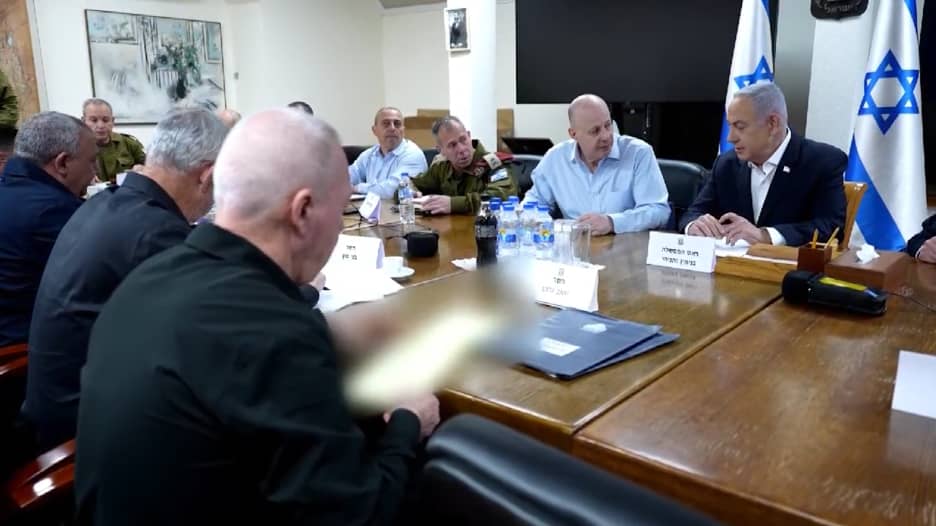
There is a prevailing sense of anxiety within Israeli circles following the five-day warning issued by U.S. President Donald Trump. Reports indicate that he may decide to delay targeting Iranian energy sources and facilities for ten days. This decision has raised concerns in Tel Aviv about the possibility of military operations against Iran halting without prior coordination with the Israeli government, prompting Prime Minister Benjamin Netanyahu to issue directives to intensify military pressure on Iranian targets.
In this atmosphere, reports have shown that Netanyahu is increasingly worried that Trump might make a sudden decision to halt the war, which could impact Israeli interests in the region. Consequently, Israeli forces have been instructed to double their attacks on Iranian military targets, including infrastructure and institutions of the Iranian regime.
Details of the Situation
Israeli sources have reported that Trump may prefer to take unilateral steps, which contradicts Israeli aims to increase pressure on Tehran. At the same time, the U.S. administration is seeking to make progress in nuclear negotiations with Iran, complicating the situation further. Some Israeli officials have indicated that there is an urgent need for greater coordination between Washington and Tel Aviv to ensure that strategic opportunities are not missed.
Moreover, Trump's recent statements regarding the postponement of military operations may reflect a retreat in the U.S. strategy towards Iran, increasing Israel's concern that matters could lead to a settlement that does not take Israeli fears into account.
Background & Context
The relationship between the United States and Iran has been characterized by ongoing tension for years, especially following Trump's withdrawal from the nuclear agreement in 2018. Since then, Washington has imposed severe economic sanctions on Tehran, exacerbating conditions in the region. In response, Iran is striving to enhance its military and nuclear capabilities, which heightens Israeli fears of potential threats.
Historically, Israel has viewed Iran as its primary enemy in the region, perceiving its nuclear program as an existential threat. Tel Aviv has invested in developing its military capabilities to counter this threat, including conducting military operations against Iranian targets in Syria.
Impact & Consequences
If negotiations between Washington and Tehran continue without yielding tangible results, this could lead to escalating tensions in the region. Israel may resort to intensifying its military operations against Iran, potentially provoking military responses from Tehran. Any escalation in military actions could affect regional security and increase instability in the Middle East.
Concerns are growing that any failure in the negotiations could lead to a comprehensive military escalation, dragging the region into open conflict. Simultaneously, the United States may find itself in a precarious position if it fails to achieve progress in the negotiations, which could impact its standing in the region.
Regional Significance
Arab countries are significantly affected by the tensions between the United States and Iran. Ongoing conflicts in the region, such as those in Syria and Yemen, could worsen if military actions escalate. Additionally, any escalation could lead to an influx of more refugees and increase the economic burdens on neighboring countries.
Furthermore, the tensions could empower armed groups in the region, further increasing instability. Therefore, observers believe that the current situation necessitates effective diplomatic dialogue to avoid military escalation.
In conclusion, the situation in the region remains tense, with growing fears about the consequences of any decision Trump may make regarding Iran. Coordination between Washington and Tel Aviv is vital to ensure that strategic opportunities are not missed in the face of increasing challenges.