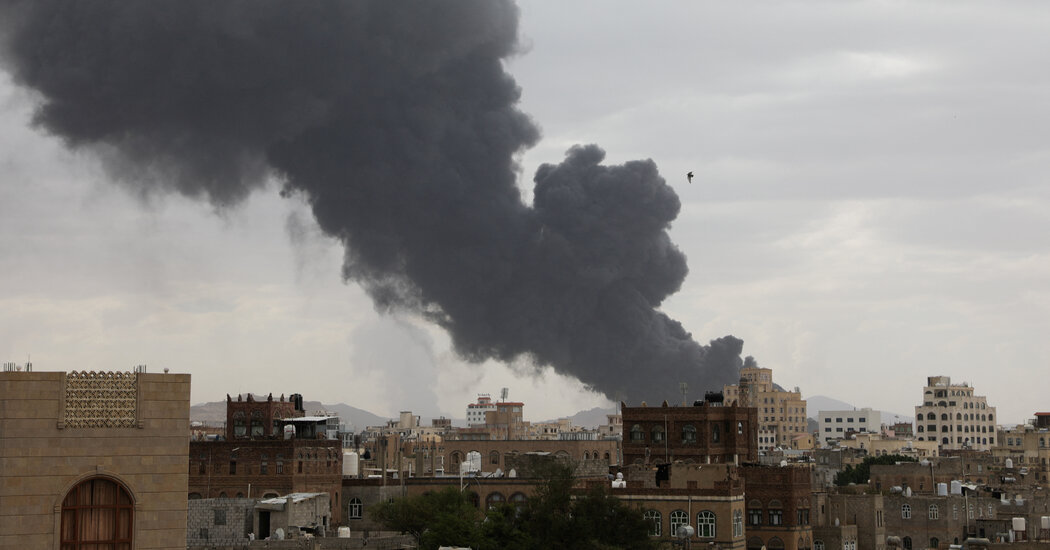
The Israeli army has reported an unprecedented event, with a missile launched from Yemen towards Israeli territory, marking the first attack of its kind since the onset of the war in the Middle East on February 28. This development comes in the wake of threats from the Houthis to engage in combat and open a new front, further complicating the security situation in the region.
The missile attack reflects escalating tensions in the Middle East, with growing fears that the conflict may expand to include new countries. The Houthis, who control large parts of Yemen, had previously announced their readiness to engage in combat against Israel, indicating the potential for the conflict to escalate into a broader regional war.
Details of the Incident
According to reports, the missile launched from Yemen did not cause significant damage, but the Israeli army considered it a serious threat to its security. The Iron Dome missile defense system was activated in an attempt to intercept any potential attacks. This attack follows a series of military and political developments in the region, where tensions are rising between Israel and its allies on one side, and the Iran-backed Houthis on the other.
It is noteworthy that the Houthis had previously threatened to retaliate against Israeli attacks on targets in Gaza, adding to the complexity of the security landscape in the region. Houthi statements reflect a new strategy aimed at expanding the scope of the conflict, which could have serious ramifications for regional security.
Background & Context
Historically, the region has witnessed multiple and complex conflicts, with Yemen being one of the hotspots of regional strife. The Houthis, who control the capital Sana'a, are considered part of the resistance axis that includes Iran and its allies in the region. In recent years, Houthi attacks on Saudi targets have increased, raising international concerns about the widening scope of the conflict.
In the context of the Israeli-Palestinian war, these developments indicate that the conflict may transcend traditional borders, opening the door to new military interventions by other countries in the region. Missile attacks from Yemen could signal the beginning of a new phase in the conflict, as the Houthis seek to bolster their regional position by engaging in the fight against Israel.
Impact & Consequences
This attack could lead to military escalation in the region, as Israel is likely to respond to any new threats from the Houthis. Military escalation may affect relations between Arab countries and Iran, as some nations may find themselves forced to choose between supporting the Houthis or standing with Israel.
Additionally, this development may impact regional security, as attacks on civilian and military targets in other countries could increase. The international community may intervene in an attempt to calm the situation, but history shows that such interventions are often ineffective in achieving sustainable peace.
Regional Significance
Concerns are growing that this attack could exacerbate conditions in the region, potentially affecting security in Gulf Arab states. The Houthis may seize this opportunity to strengthen their position in Yemen, complicating peace efforts in the country.
At the same time, this escalation could heighten tensions between Iran and Arab states, with some countries possibly feeling compelled to adopt a harsher stance towards Tehran. This conflict could reshape alliances in the region, impacting political and economic stability.
In conclusion, this missile attack from Yemen represents a significant shift in the conflict in the Middle East, indicating that conditions may trend towards further complexity and tension. The international community is urged to act swiftly to prevent escalation, but history shows that peaceful solutions are often elusive under such circumstances.