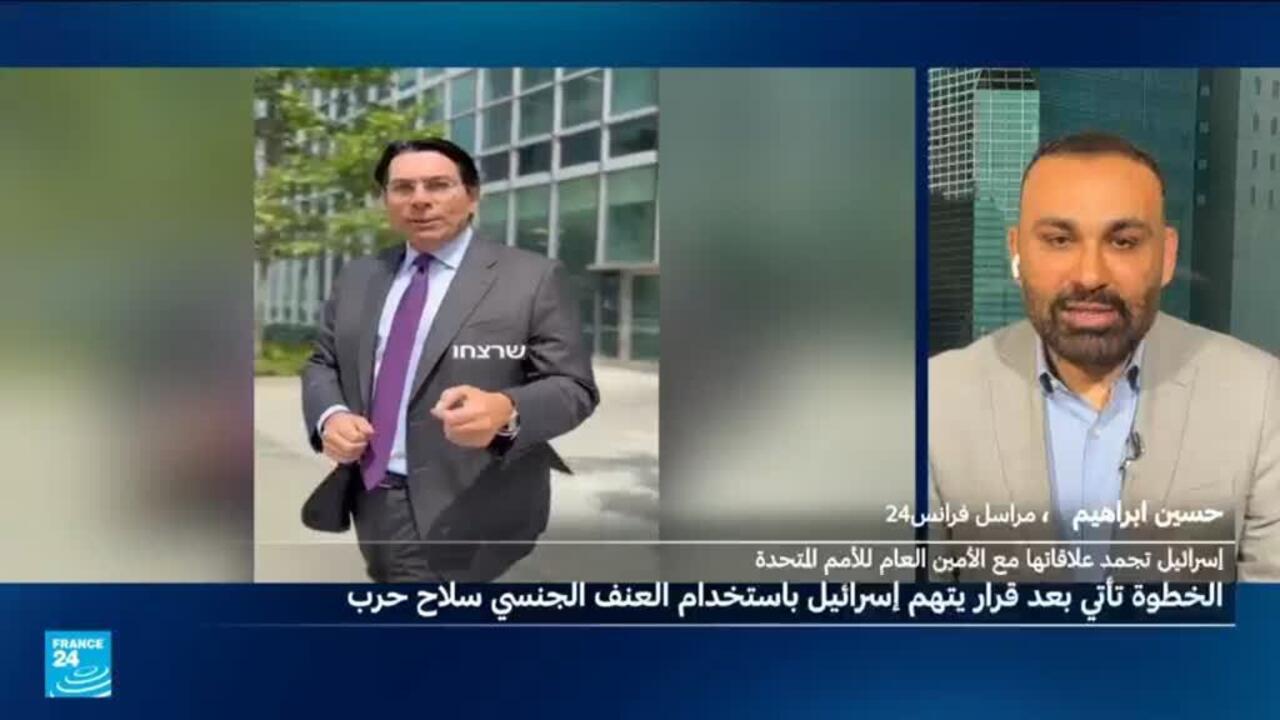
Israel has announced a freeze on its relations with UN Secretary-General Antonio Guterres, a step that reflects its dissatisfaction with an unofficial decision to include Israel on the 'blacklist' related to sexual violence in conflicts. The Israeli ambassador to the UN, Gilad Erdan, described this decision as unacceptable, emphasizing that Israel will take further steps if this decision is officially announced.
This freeze comes at a sensitive time, as international pressure on Israel regarding human rights violations in Palestinian territories is increasing. The decision has elicited mixed reactions in international circles, with some viewing it as a necessary step to hold countries accountable for serious violations.
Details of the Event
In statements made by Erdan, he indicated that Israel would not cooperate with Guterres in any future activities until this decision is retracted. He affirmed that Israel rejects any attempt to tarnish its reputation on the international stage and will continue to defend itself against any unfounded accusations.
This announcement follows a period of escalating tensions between Israel and the UN, with Tel Aviv repeatedly criticizing reports issued by the international organization, claiming they adopt biased views against it. Similar tensions have previously characterized relations between the two sides, but this time the crisis appears to be deeper.
Background & Context
Historically, Israel has been at odds with the UN over human rights issues, with many countries and international organizations accusing it of violating the rights of Palestinians. In recent years, there has been a rise in international calls for accountability regarding Israel's violations, leading to increased pressure on the Israeli government.
The 'blacklist' prepared by the UN is part of its efforts to combat sexual violence in conflicts, including countries believed to be responsible for committing serious violations in this context. The potential inclusion of Israel on this list has raised significant concerns in Tel Aviv, which views it as a move aimed at damaging its international reputation.
Impact & Consequences
This move could exacerbate the already strained relations between Israel and the UN, potentially affecting future cooperation between the two parties. Additionally, the freeze on relations may negatively impact international efforts to resolve the Israeli-Palestinian conflict, as the UN is considered a key player in this context.
This tension is likely to increase pressure on the international community to intervene, especially given the rising reports of violations in Palestinian territories. These events may bolster calls for accountability regarding Israel's actions, possibly leading to changes in international policy toward the conflict.
Regional Significance
These developments are of great importance to the Arab region, reflecting the ongoing tensions between Israel and Arab states. This step may provoke strong reactions from Arab nations, which could see it as an opportunity to strengthen their stance against Israel in international forums.
Moreover, these events could lead to increased Arab support for Palestinians and activate diplomatic efforts to hold Israel accountable for its violations. At the same time, this may escalate tensions between Israel and Arab countries, potentially impacting regional stability as a whole.