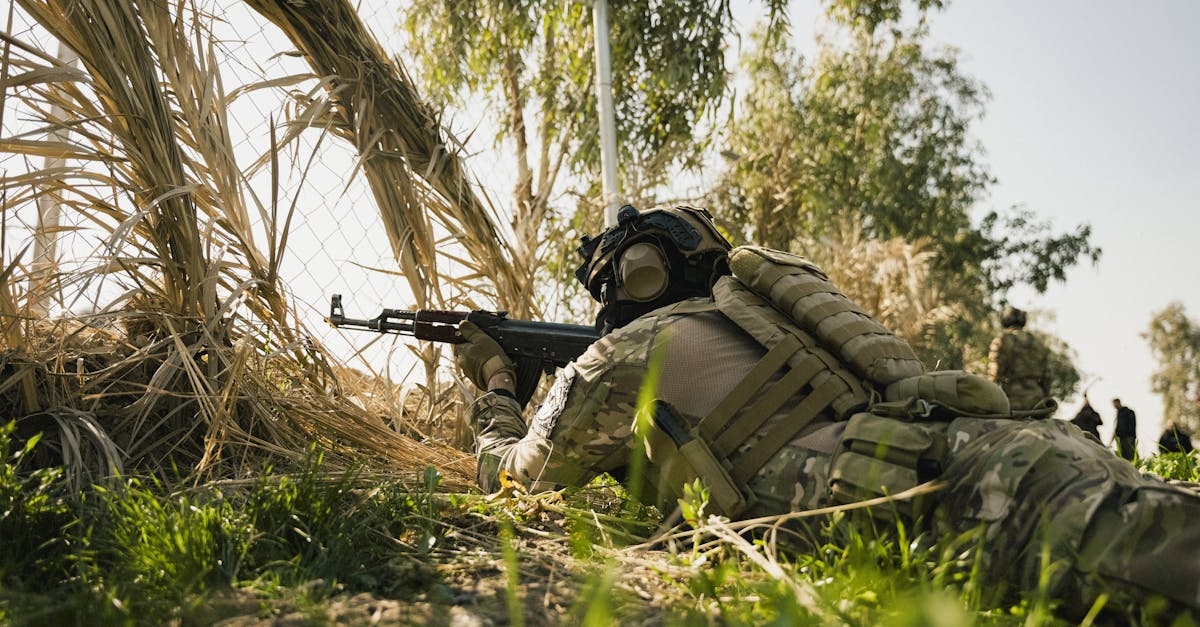
Israeli newspaper Yedioth Ahronoth reported that the Chief of Staff of the Israeli army, Eyal Zamir, has ordered troops to enter a state of high alert. This decision comes amid stalled diplomatic negotiations between the United States and Iran, increasing the likelihood of heightened tensions in the region.
This move is seen as an indication of growing concern in Tel Aviv regarding Iranian activities, especially in light of recent statements suggesting no significant progress in the nuclear talks. This situation has raised fears that any military actions could escalate the conflict in the Middle East.
Details of the Situation
As the United States seeks to reach an agreement with Iran regarding its nuclear program, it appears that diplomatic efforts are facing significant obstacles. U.S. officials have indicated that Iran has not shown a willingness to negotiate seriously, prompting Israel to take precautionary measures.
The state of high alert includes bolstering the Israeli military presence along the northern border, where Israeli forces are monitoring Iranian activities in Syria and Lebanon. Air defenses have also been strengthened in anticipation of any potential attacks.
Background & Context
Historically, relations between Iran and Israel have been tense, with Israel viewing Iran as an existential threat. These tensions have escalated since the United States withdrew from the nuclear agreement in 2018, leading to increased military activities between the two parties.
Iran seeks to enhance its influence in the region by supporting armed militias, raising concerns for Israel and neighboring Arab countries. In this context, the current negotiations are seen as an opportunity to reduce tensions, but their failure could lead to military escalation.
Impact & Consequences
If negotiations continue to fail, we may witness military escalation between Israel and Iran, potentially leading to a large-scale conflict in the region. Such escalation could affect regional security and increase the suffering of civilians in the affected countries.
Moreover, any military escalation could impact oil prices and global financial markets, as the Middle East is a vital hub for energy supplies. Therefore, the current situation requires close monitoring by the international community.
Regional Significance
The current developments pose a significant challenge for Arab countries, as any escalation between Israel and Iran could have negative repercussions on security and stability in the region. Arab nations seeking stability may find themselves compelled to deal with the fallout from a potential conflict.
Furthermore, the situation could affect peace efforts in the region, as any escalation may hinder negotiations between Palestinians and Israelis, complicating the situation in the occupied territories.
Israeli military preparations come at a critical time, as fears of escalating conflict in the region grow. The international community must work diligently to avoid any escalation that could lead to catastrophic outcomes.