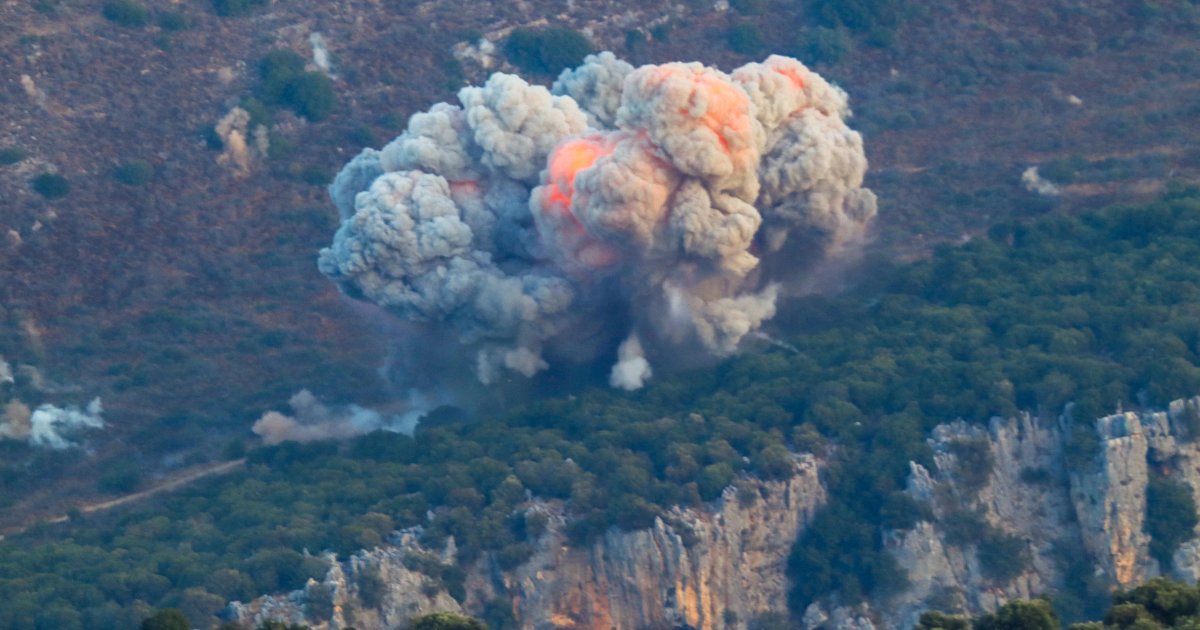
Israel's air force has intensified its airstrikes on Lebanon, leading to the deaths of several individuals, just one day after Israeli threats to bomb a border crossing with Syria. These operations are part of a continuous escalation of tensions between the two sides, raising fears of increased violence in the region.
These airstrikes are considered part of an Israeli strategy aimed at countering what it describes as security threats emanating from Lebanon, particularly from Hezbollah. Israeli military sources have confirmed that these operations target military sites belonging to the party, which is regarded as one of Israel's main adversaries in the region.
Details of the Incident
In recent hours, Israeli warplanes detected suspicious movements in Lebanese border areas, prompting intensive airstrikes. Reports indicate that the strikes targeted locations believed to be used for weapon storage or troop assembly. Images captured show extensive destruction in the targeted areas, reflecting the severity of the attacks.
These developments follow official threats from the Israeli government to bomb a border crossing with Syria, further heightening tensions in the region. These threats come at a sensitive time, as fears of escalating conflict grow amid the tense situation in the Middle East.
Background & Context
Historically, the Lebanese-Israeli border has witnessed numerous armed conflicts, with clashes frequently occurring between Israeli forces and Hezbollah. Since the end of the Lebanese War in 2006, tensions between the two sides have not ceased, making the area one of the most volatile regions in the world.
Israel consistently seeks to enhance its national security by taking preemptive measures against any potential threats. In recent years, it has increased its military operations in Lebanon and Syria in an attempt to halt the flow of arms to Hezbollah, which it considers a direct threat to its security.
Impact & Consequences
These airstrikes could lead to a greater escalation in the conflict, as Hezbollah may respond to these attacks with military operations against Israeli targets. Such an escalation could drag the region into a cycle of violence, affecting stability in Lebanon and Syria and increasing civilian suffering.
Moreover, these events may impact international relations in the region, as external powers could intervene to protect their interests. The rise in violence could also hinder peace efforts in the Middle East and complicate humanitarian conditions in the affected areas.
Regional Significance
These events are a significant concern for neighboring Arab countries, as they could lead to an influx of refugees or increased internal tensions. Any escalation in Lebanon could also affect stability in countries like Jordan and Syria, which are already suffering from internal crises.
In conclusion, the situation in Lebanon remains under close observation, with expectations of rising tensions in the coming days. It is crucial for Arab nations and the international community to stay vigilant regarding these developments and work to prevent further escalation that could lead to severe consequences.