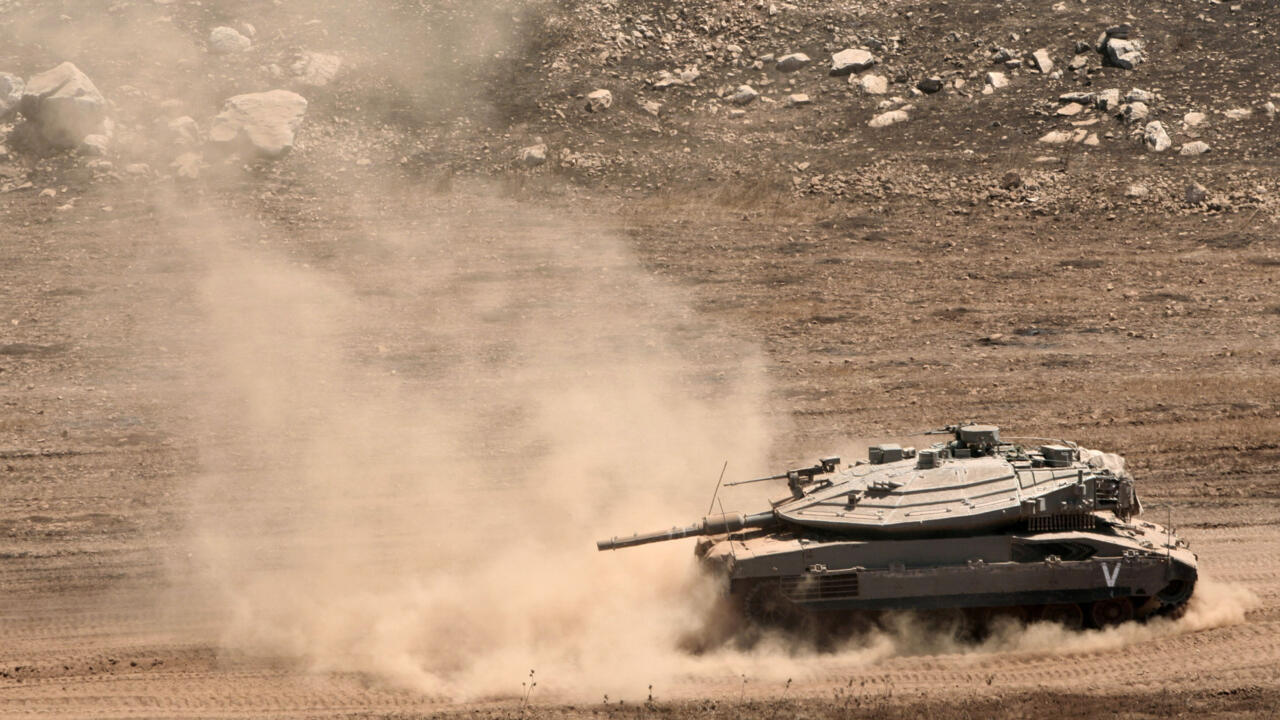
The history of Israeli interventions in Southern Lebanon uncovers a recurring pattern, where these operations have contributed to strengthening Hezbollah, which was established in the 1980s in response to the occupation. Since the first invasion in 1978, every Israeli intervention aimed at undermining the party, but the results have always been counterproductive.
On March 14, 1978, the Israeli army launched Operation Litani, where Israeli forces invaded Southern Lebanon following a Palestinian attack that resulted in the deaths of 38 people. The declared objectives were to push Palestinian militias north of the Litani River, which was achieved quickly, but the human losses were severe, leading to the displacement of tens of thousands.
Details of the Event
After the operation, the Security Council adopted Resolution 425, which called for the immediate withdrawal of Israeli forces. Despite a partial withdrawal in April of the same year, Israel established a "security zone" extending 10 kilometers deep, under the control of the South Lebanon Army militia.
On June 6, 1982, Israel launched a new invasion under the name "Peace for Galilee," targeting the destruction of Palestinian infrastructure. This invasion led to the siege of Beirut and the evacuation of Yasser Arafat, but it also triggered a wave of violence and massacres, increasing Hezbollah's popularity as a resistance movement.
Background & Context
Hezbollah was founded in 1982 with support from the Iranian Revolutionary Guard, beginning its operations against the Israeli occupation using guerrilla warfare tactics. In the 1990s, the region witnessed an escalation in confrontations, with Israel launching two major military operations, yet the party managed to maintain its strength.
In May 2000, Israel withdrew from Southern Lebanon after 22 years of occupation, allowing Hezbollah to strengthen its positions. In 2006, a new war broke out between the party and Israel, where the results demonstrated Israel's failure to achieve its objectives, further solidifying the party's internal standing.
Impact & Consequences
Repeated Israeli interventions in Lebanon have only served to enhance Hezbollah's power, which has become a key player in the regional conflict. As tensions in the region escalate, the party has become part of the resistance axis led by Iran, complicating the conflict in the Middle East.
Israeli military operations against the party have failed to disarm it, instead increasing its popularity. In recent years, the Lebanese-Israeli border has witnessed a new escalation, with Hezbollah launching rockets at Israel, prompting intense military responses from the Israeli side.
Regional Significance
Israel's interventions in Lebanon directly affect security and stability in the region. The rising tensions between Hezbollah and Israel threaten to ignite new conflicts, negatively impacting neighboring countries. These events also reflect broader conflicts between regional and international powers.
In conclusion, Israeli interventions in Lebanon exemplify how military policies can lead to unexpected outcomes, strengthening adversaries rather than undermining them.