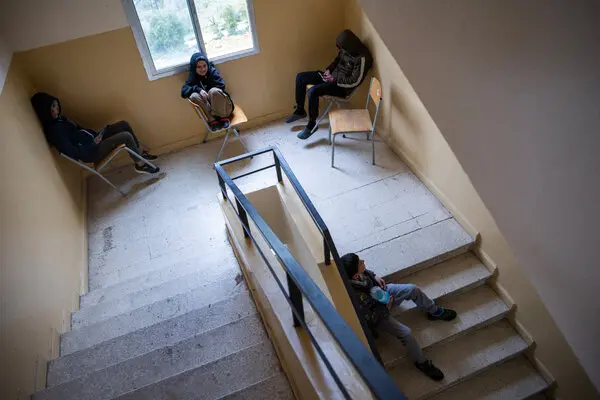
In a new escalation, Israel has issued comprehensive warnings calling for the evacuation of civilians from wide areas in southern Lebanon, with these warnings extending up to 25 miles from the Israeli border. This warning comes in the wake of renewed fighting between Israel and Hezbollah, where public calls have been made for all civilians to flee north.
However, behind the scenes, Israeli messages appear to carry deeper implications. Local leaders from Christian and Druze communities in southern Lebanon reported that Israeli military officials informed them they could remain in evacuation areas, but pressured them to expel any Lebanese from neighboring Shiite communities who sought refuge with them to escape Israeli bombardment.
Details of the Situation
These developments come at a sensitive time, as the region has witnessed a rise in military tensions. The last conflict between Israel and Hezbollah occurred two years ago, where warnings were issued gradually, but the current situation is significantly different, with warnings being issued collectively.
Ali Nasser, a Shiite youth from the village of Aita al-Shaab, expressed feelings of anxiety and fear, stating: "Israel wants to create a new buffer zone; it wants us to leave. What can we do?" Nasser and his family were forced to flee their village to the town of Rmeish, which has a majority Christian population, but they faced pressure to leave this town as well.
Background & Context
Historically, relations between Israel and Hezbollah have been tense, with Hezbollah considered one of the prominent Iranian-backed armed groups that Israel seeks to eliminate. The region has witnessed numerous armed conflicts, exacerbating the humanitarian situation in southern Lebanon, where Shiites live under difficult conditions.
The Shiite population constitutes the majority in southern Lebanon, relying on international community support to face the challenges they encounter. As Israeli bombardment escalates, fears grow regarding the worsening humanitarian conditions, especially in the absence of adequate support for civilians.
Impact & Consequences
These warnings indicate a strategic shift in Israeli policy towards southern Lebanon, as Israel seeks to effect demographic changes in the region. This could exacerbate humanitarian conditions and heighten tensions among different sects in Lebanon.
Furthermore, these moves may affect regional stability, potentially igniting sectarian conflicts and increasing divisions among various communities. At the same time, these steps could bolster Hezbollah's position, which may exploit these circumstances to enhance its popular support.
Regional Significance
The repercussions of this situation extend beyond Lebanese borders, potentially affecting relations between Arab countries and Israel. The increasing tensions in Lebanon may evoke memories of past conflicts, leading to heightened anxiety in neighboring countries.
Additionally, the deteriorating humanitarian situation in Lebanon may provoke reactions from the international community, possibly leading to diplomatic or humanitarian interventions. Ultimately, hope remains for finding peaceful solutions that ensure the rights of all parties and achieve stability in the region.