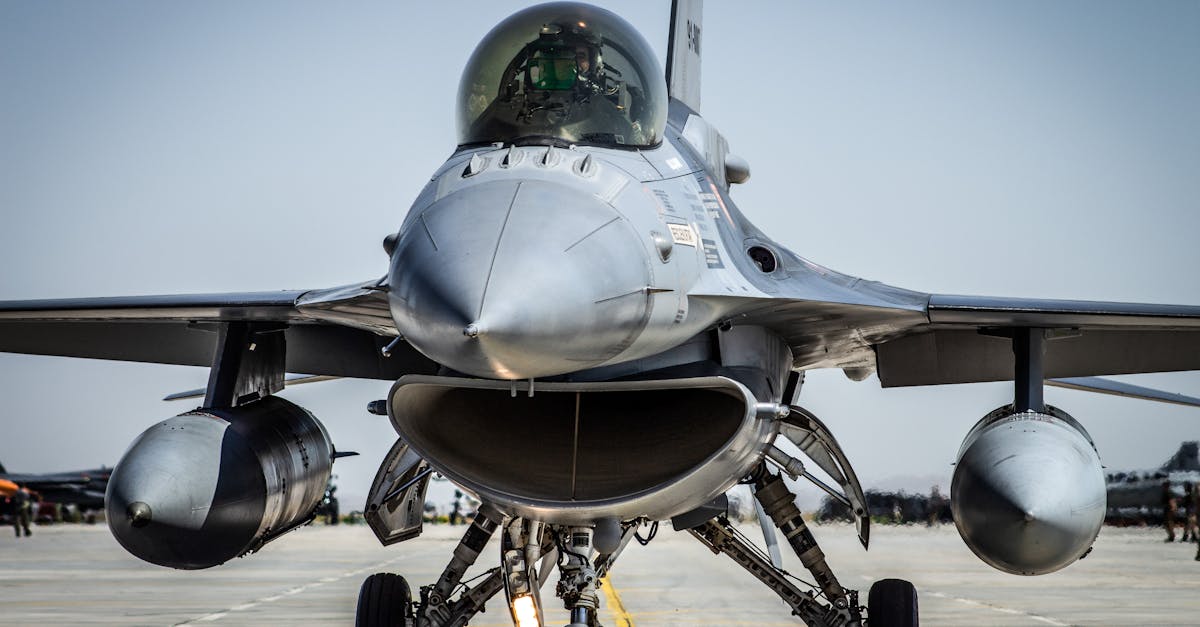
In a new escalation, Israel announced the execution of a large-scale airstrike targeting three military airports in Tehran, leading to the destruction of dozens of aircraft. This attack comes at a time when the region is witnessing increasing tensions, as Israel seeks to undermine Iranian military capabilities.
The strike, carried out using drones and missiles, targeted key military airports, provoking strong reactions from the Iranian side. Israeli military sources confirmed that the attack aimed to disrupt Iranian military operations in the region.
Details of the Event
According to reports, the Israeli airstrikes targeted airports in northern and central Tehran, where a significant number of warplanes were destroyed. Reports indicate that the attack coincided with Iranian military movements in the region, escalating tensions further.
This step is part of an Israeli strategy aimed at preventing Iran from enhancing its military capabilities, especially amid reports of Iran developing its nuclear program. Israel has repeatedly affirmed that it will not allow Iran to possess nuclear weapons, which explains its recent military escalation.
Background & Context
Historically, relations between Israel and Iran have been marked by ongoing tensions, with Israel viewing Iran as an existential threat. Since the Islamic Revolution in 1979, relations between the two countries have taken a hostile turn, with accusations of inciting violence and terrorism exchanged.
In recent years, Israel has increased its military operations against Iranian targets in Syria and Lebanon, reflecting its strategy to counter Iranian influence in the region. The recent attack on Tehran represents an unprecedented escalation in this conflict, as Israel has never directly targeted the Iranian capital before.
Impact & Consequences
The Israeli attack may lead to further escalation in tensions between the two sides, with Iran expected to respond in various ways, either through military operations or by enhancing its defensive capabilities. These events could impact regional stability, raising concerns among neighboring countries.
Additionally, this attack may affect ongoing nuclear talks between Iran and major powers, as Iran might view these strikes as a reflection of the other parties' lack of seriousness in reaching an agreement. Consequently, this could complicate international diplomatic efforts.
Regional Significance
The Arab region may be significantly affected by the rising tensions between Iran and Israel, potentially leading to increased polarization among Arab states. Some countries may find themselves compelled to take clear stances on this conflict, which could reshape alliances in the region.
Moreover, these events could heighten tensions in countries like Iraq and Syria, where Iranian forces are present. These developments are likely to impact regional security, prompting Arab nations to take proactive measures to protect their interests.
In conclusion, the Israeli attack on Tehran represents a turning point in the ongoing conflict between Iran and Israel, reflecting an escalation in tensions that could have far-reaching implications for security and stability in the region.