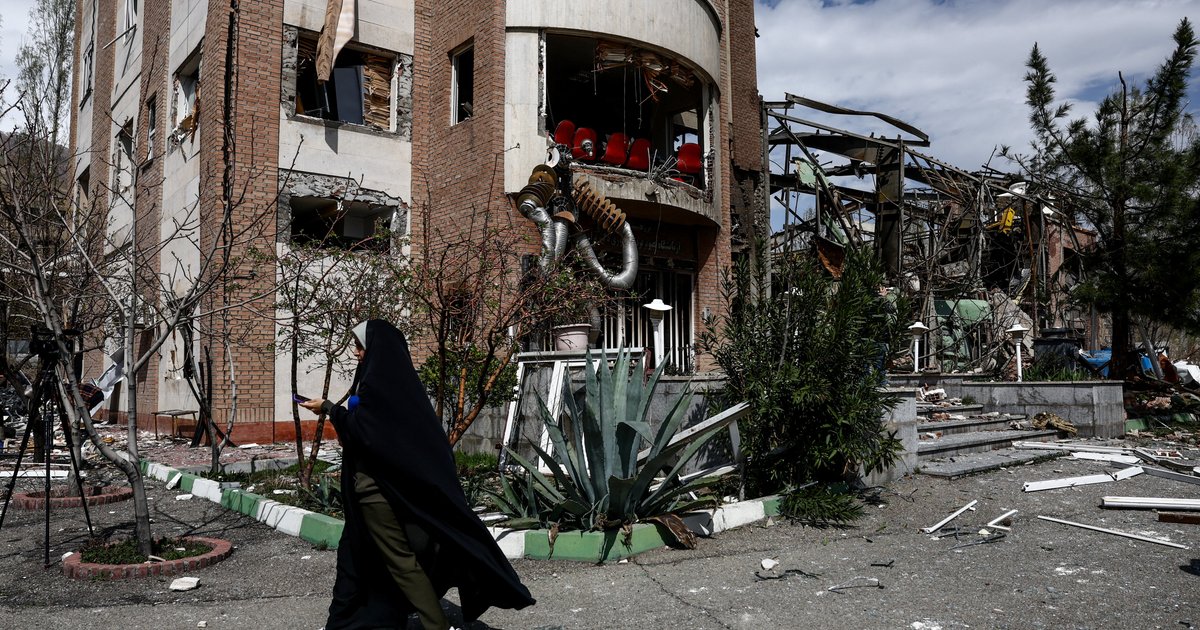
Israel's Ministry of Defense announced that it launched airstrikes on Iran's largest petrochemical complex located in Asaluyeh on Monday. The Fars news agency reported hearing several explosions at the complex, which has raised international alarm over the rising tensions in the area.
The strikes targeted companies providing essential services such as electricity, water, and oxygen to the complex, while Pars Petrochemical Company did not sustain direct damage. However, Tasnim news agency reported that electricity supplies to all petrochemical units in Asaluyeh were cut off, reflecting the impact of the attacks on critical infrastructure.
Details of the Incident
Earlier this year, Israel conducted strikes on the South Pars gas field and its facilities in Asaluyeh, leading to Iranian responses targeting energy facilities across the Middle East. These recent attacks come amid escalating tensions between the two countries, as Israel seeks to undermine Iranian energy capabilities.
The strikes on the petrochemical complex are part of Israel's broader strategy to counter what it perceives as threats from Iran, especially given the ongoing Iranian nuclear program and its expanding influence in the region. Israeli Defense Minister Israel Katz indicated that these attacks aim to protect Israeli national security.
Background & Context
Historically, relations between Israel and Iran have been marked by ongoing tension, with Israel viewing Iran as an existential threat. For years, Israel has launched attacks on Iranian facilities, particularly those linked to the nuclear program. In March, Israel targeted the South Pars gas field, leading to an escalation in Iranian attacks on targets in the Middle East.
Asaluyeh is a vital center for petrochemical production in Iran, significantly contributing to the Iranian economy. Attacks on this complex could impact Iran's ability to export petrochemical products, increasing economic pressures on the country.
Impact & Consequences
The recent attacks may lead to further escalation in the conflict between Iran and Israel, with Iran likely to respond to these strikes in unconventional ways. Possible responses could include targeting Israeli interests or those of its allies in the region, heightening the risk of a broader conflict.
Additionally, these attacks could affect global energy markets, as any escalation in tensions between Iran and Israel may lead to rising oil and gas prices. Given the current situation, energy supplies in the region could be impacted, negatively affecting the global economy.
Regional Significance
For Arab countries, the rising tensions between Iran and Israel pose a significant challenge. Many Arab nations, especially those in the Gulf, are concerned about any escalation that could destabilize the region. These events may also affect relations between Arab states and Iran, as some countries seek to improve ties with Tehran while others maintain hostile positions.
In conclusion, the Israeli attacks on the Asaluyeh petrochemical complex represent a turning point in the ongoing conflict between Iran and Israel, highlighting the increasing tensions in the region and raising concerns about the potential impact on regional security and stability.