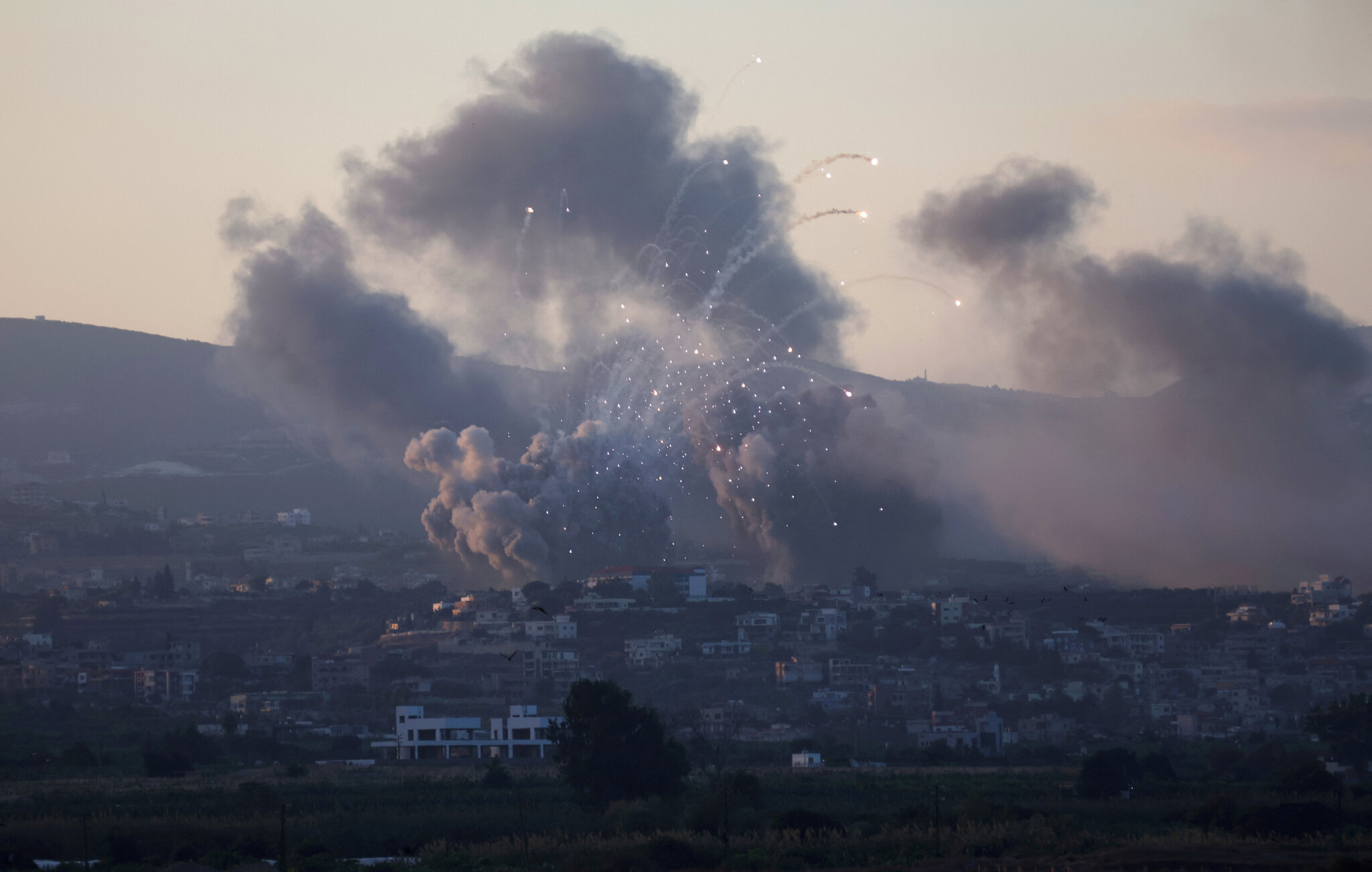
In an unprecedented escalation, Israel has launched its largest attack on Lebanon since the beginning of its invasion, heightening tensions in the region and raising concerns about the stability of the fragile truce between the United States and Iran. This attack comes at a sensitive time, as there have been international efforts to de-escalate the ongoing conflict in the Middle East.
The Israeli airstrikes targeted sites affiliated with Hezbollah, which is considered one of Iran's main military arms in the region. Reports indicate that the attacks were particularly focused on areas in southern Lebanon, where Hezbollah is believed to maintain a stockpile of weapons.
Details of the Attack
According to military sources, the Israeli strikes targeted strategic locations used by armed groups affiliated with Hezbollah, resulting in several casualties. This attack has provoked angry reactions from the Lebanese government, which condemned the strikes and deemed them a violation of Lebanese sovereignty.
Military analyses suggest that Israel aims to undermine Hezbollah's military capabilities through these operations, especially amid escalating Iranian threats in the region. This escalation follows a period of increasing tensions between Iran and the United States, further complicating the security landscape in the Middle East.
Background & Context
Historically, relations between Israel and Lebanon have been marked by ongoing tensions, particularly since the 2006 war. Hezbollah, established in the 1980s with Iranian support, has become a key player in both the Lebanese and regional conflicts. In recent years, Hezbollah's military activities have increased, prompting Israel to take preemptive measures against what it perceives as threats to its national security.
The truce between the United States and Iran was announced as part of diplomatic efforts to reduce tensions in the region, but the recent escalation may jeopardize these efforts and bring matters back to square one. Israeli military movements indicate that Tel Aviv is unwilling to tolerate what it considers direct threats from Iran and its allies in the region.
Impact & Consequences
The military escalation in Lebanon could have serious implications for regional security, as it is likely to lead to further escalation in the conflict, potentially drawing other countries into the fray. Additionally, the continuation of Israeli attacks may provoke reactions from Iran, which may feel compelled to respond to attacks against its allies in Lebanon.
Moreover, this escalation could impact the already struggling Lebanese economy, as any intensification of the conflict could exacerbate the humanitarian and economic conditions in the country. Lebanon is suffering from a crippling economic crisis, and any military escalation could increase the suffering of the Lebanese people.
Regional Significance
This escalation is indicative of rising tensions in the Middle East and may affect regional stability. The situation requires careful monitoring as it could lead to broader conflicts involving multiple nations.
In conclusion, the recent Israeli military actions in Lebanon not only threaten the fragile truce between the United States and Iran but also pose significant risks to the already volatile security situation in the region.