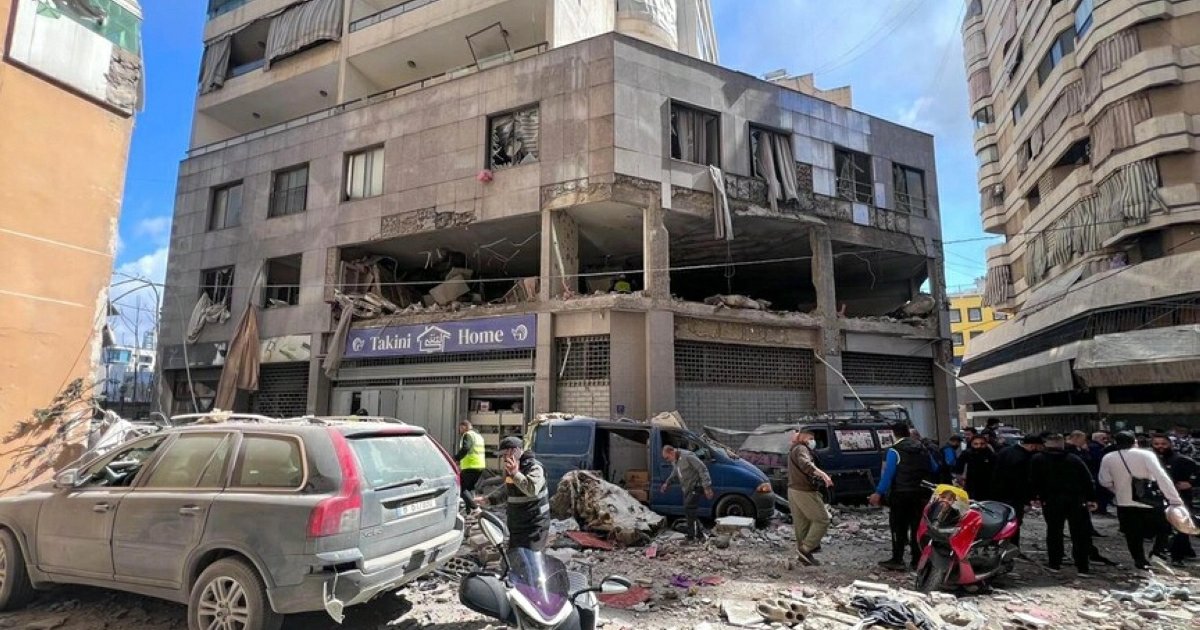
Israeli forces reported on Wednesday that they conducted the largest wave of coordinated airstrikes in Lebanon since the beginning of their current offensive, targeting more than 100 sites within 10 minutes. The attacks affected multiple areas such as Beirut, the Bekaa Valley, and southern Lebanon.
In a military statement, Israel claimed that the airstrikes targeted command and control centers and infrastructure used to launch attacks against Israeli sites. However, no immediate comment was made by Hezbollah regarding these allegations.
Details of the Event
These airstrikes come just hours after the announcement of a two-week ceasefire by the United States and Iran, aimed at paving the way for a broader agreement to end the war initiated by Washington and Tel Aviv against Tehran on February 28. Pakistani mediators indicated that the ceasefire includes Lebanon, while Israeli Prime Minister Benjamin Netanyahu denied this.
Despite the ceasefire, reports indicate that Hezbollah has adhered to it thus far, even as Israeli airstrikes continue. Lebanese media reported that the Israeli strikes resulted in the deaths of eight individuals and injuries to 22 others in the southern city of Sidon following the ceasefire announcement.
Background & Context
Israel has continued to carry out airstrikes and ground operations in southern Lebanon since the cross-border attack executed by Hezbollah on March 2, despite the ceasefire that came into effect in November 2024. According to Lebanese authorities, at least 1,530 people have been killed and 4,812 others injured in Israeli attacks since the escalation began.
Historically, relations between Israel and Hezbollah have been marked by increasing tensions, particularly following the war that erupted in 2006. Since then, hostilities between the two sides have escalated, exacerbating the security situation in the region.
Impact & Consequences
These airstrikes represent a serious escalation in the ongoing conflict, potentially leading to reactions from Hezbollah or its allies in the region. Additionally, the continuation of military operations may hinder peace efforts and intensify tensions in the Middle East.
These events are likely to affect international relations, especially with the involvement of the United States and Iran in the equation. The tensions between these two countries could lead to further interventions in the conflict, complicating the security situation in the region.
Regional Significance
The recent events in Lebanon are part of a larger picture of the conflict in the Middle East, where Arab nations remain on alert for potential developments. The ongoing conflict affects regional stability and heightens fears of a larger escalation that could impact neighboring countries.
In conclusion, the situation in Lebanon remains volatile, with increasing concerns about a broader escalation that could plunge the region into further chaos. Intensive diplomatic efforts are required to prevent worsening conditions and achieve sustainable peace.