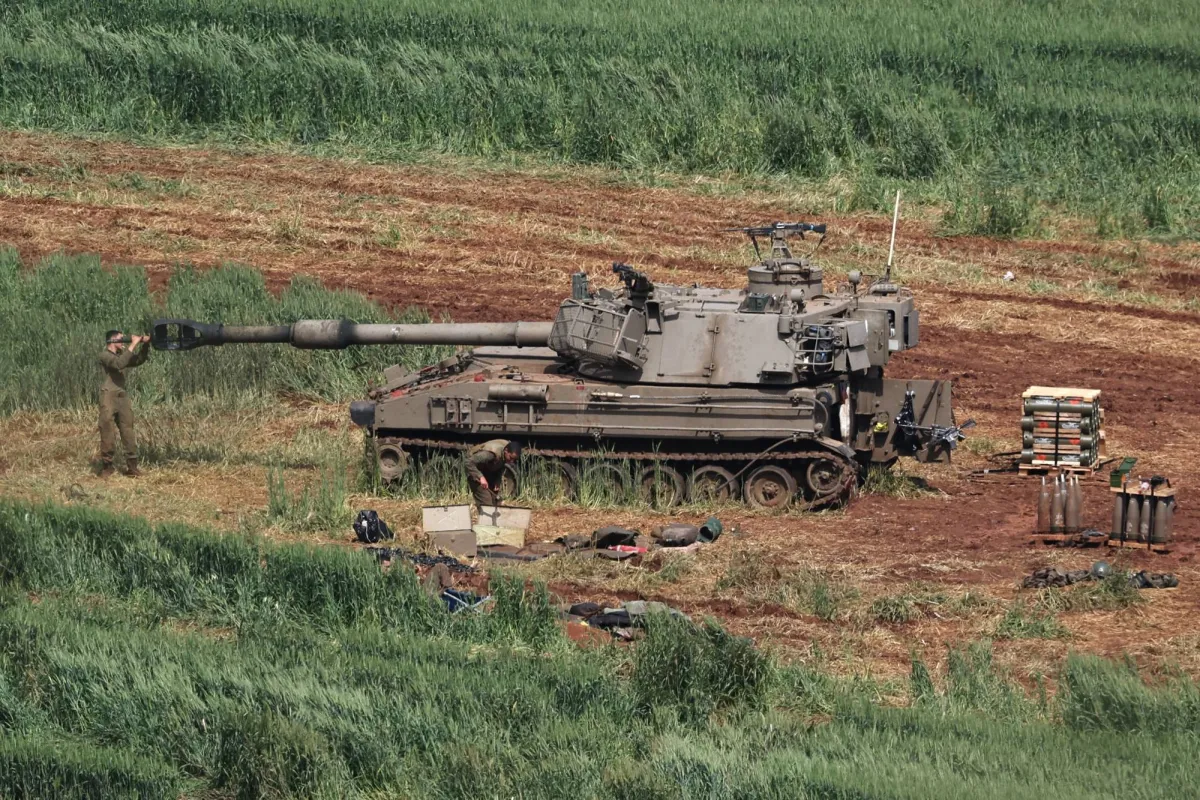
Israel has announced the execution of a cross-border operation originating from the Syrian side of Mount Sheikh, reaching the "Ros" mountain area within Lebanese territory. This move reflects a trend towards expanding operations into more complex terrains. The operation, carried out by a mountain commando unit, took place under snowy conditions and aims to comb the area for intelligence gathering, in addition to uncovering field infrastructure.
This development imposes a different battlefield rhythm, shifting pressure from traditional fire methods to testing high-spiral flanking routes, gradually redrawing engagement lines and changing confrontation rules. According to military sources, this route could facilitate cutting geographical communication between the south and the western Bekaa, complicating the military situation in the region.
Details of the Operation
In a statement from a source familiar with the war dynamics in the south, it was confirmed that the entry of an Israeli force from the Mount Sheikh axis was an expected step, given the geographical advantage this axis provides. This allows for the possibility of advancing towards the western Bekaa or flanking towards Kfarshouba, enhancing Israel's ability to conduct field operations from those points.
Retired Brigadier General Naji Malaeb pointed out that the most dangerous scenario involves using the Mount Sheikh axis to encircle the south or cut off supplies from the south to the western Bekaa, which could directly impact the logistical structure of Hezbollah. He added that the upcoming phase may entail significant escalation risks, especially with increasing Israeli preparations.
Background & Context
This operation comes amid rising regional tensions, as Israel seeks to bolster its military presence in border areas. Mount Sheikh, which is the highest elevation under Israeli control, provides extensive intelligence monitoring capabilities, whether for missiles or drones, and enhances advanced surveillance systems.
Recent developments indicate that the Syrian leadership is moving towards not engaging in any confrontation, having communicated its position of not allowing its territory to be used in regional disputes. This reflects Damascus's desire to avoid entanglement in conflicts that could lead to uncalculated military escalation.
Impact & Consequences
The Israeli incursion through the Mount Sheikh axis could lead to the opening of a new front towards the Bekaa, increasing the scope of engagement and occupying Hezbollah on an additional front. Any incursion from the Syrian side into Lebanese territory may place the Syrian army in a sensitive equation, where firing would be interpreted as targeting Syrian territory, necessitating a decisive official stance from Damascus.
At the same time, reports indicate that the ground confrontation in the south still faces difficulties, as the current resistance has inflicted human and material losses on the Israeli army, indicating that the advance has not yet achieved its declared objectives.
Regional Significance
Highlighting these military operations reflects the increasing tensions in the region, as everyone awaits the repercussions of these steps on regional stability. The situations in Lebanon and Syria could be significantly affected, necessitating international efforts to mitigate escalation and ensure security in the region.
In conclusion, the situation in southern Lebanon and Syria remains under observation, with forecasts suggesting that the upcoming phase may witness greater military escalation, requiring a swift response from the concerned parties to ensure that conditions do not worsen.