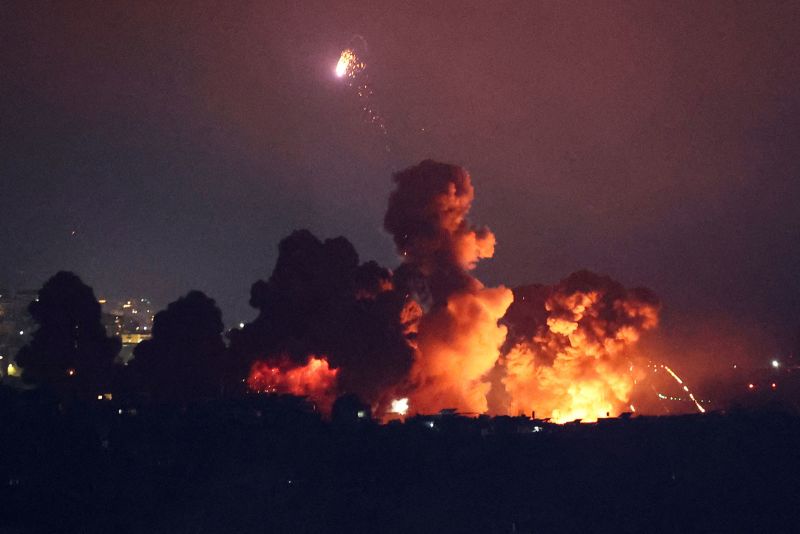
Israel has suffered massive financial losses estimated at around $15 billion since the start of its ongoing war against Iran and Lebanon, which has now entered its thirty-eighth day. These losses occur at a time when mutual threats between Washington and Tel Aviv on one side and Tehran on the other are increasing, warning of a larger escalation in the region.
The Hebrew newspaper "Calcalist" reported that the cost of the ongoing war with Iran and Hezbollah in Lebanon has risen to approximately 47 billion shekels, equivalent to $15 billion. These costs are expected to continue rising as fighting persists and its economic repercussions grow.
Event Details
Reports indicate that the Israeli Ministry of Defense has requested about 39 billion shekels (around $12.4 billion) to cover military expenses, with expectations that this figure will increase during the year 2026 if the war continues or similar rounds of fighting recur. The newspaper also noted that the war, which has entered its sixth week, enhances the likelihood of increasing the long-term security budget rather than reducing it, in preparation for potential additional confrontations with Iran and Hezbollah.
On the civilian front, approximately 26,000 compensation claims have been registered for damages caused by missile bombardments, estimated to be worth between 1 and 1.5 billion shekels (between $320 and $450 million). However, these direct damages are considered less significant compared to the larger burden on the budget, which consists of a compensation plan for companies and workers, estimated at around 6.5 to 7 billion shekels (between $2.1 and $2.3 billion).
Background & Context
Since February 28 of last year, Israel and the United States have been waging a war against Iran, resulting in thousands of Iranian casualties. In response, Tehran has retaliated by launching missiles and drones towards Israel. Hezbollah also entered the fray on March 2 in response to ongoing attacks from Tel Aviv, despite a ceasefire agreement that has been in effect since November 2024.
It is noteworthy that this war occurs amidst increasing tensions in the region, as various parties seek to achieve their strategic interests, complicating the security and economic situations further.
Impact & Consequences
"Calcalist" anticipates that the Israeli government will push to ease restrictions on economic activities in an attempt to mitigate losses and reduce the war's cost on the economy. The Israeli agricultural sector has suffered severe losses due to the war, as farmers face difficulties exporting their products, leading to losses estimated in the tens of millions of shekels.
Vegetable processing factories have also been heavily affected, being forced to scale back their operations, which has impacted the receipt of products. These conditions reflect the negative effects of the war on vital sectors of the Israeli economy.
Regional Significance
These developments pose a threat to security and stability in the Arab region, reflecting the escalation of tensions between regional powers. The continuation of the conflict could exacerbate humanitarian and economic conditions in neighboring countries, necessitating urgent diplomatic moves to curb the escalation.
In conclusion, these events highlight the importance of dialogue and understanding among the involved parties to avoid further escalation and achieve stability in the region.