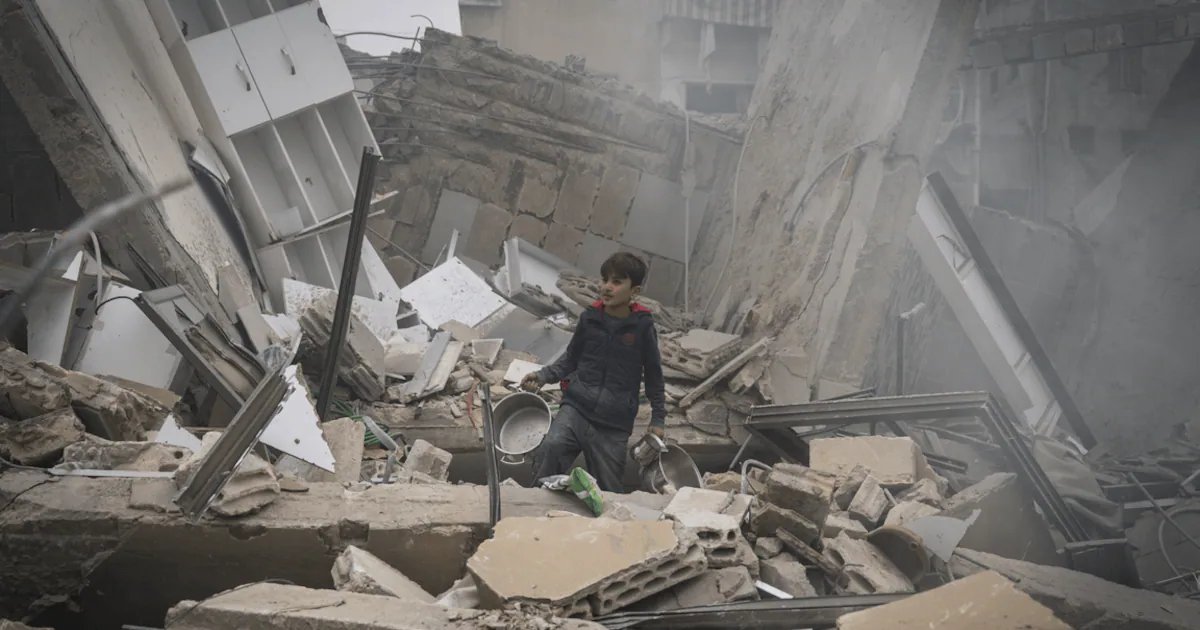
Recent military developments in Lebanon have drawn attention, revealing new strategies adopted by Israel in its war against Hezbollah. These tactics, seemingly inspired by military operations in Gaza, indicate an unprecedented escalation in the ongoing conflict between the two sides.
As tensions rise, Israel has announced that there are no "red lines" in its military operations, raising concerns about the implications of this escalation on regional security. This move comes amid ongoing confrontations between Israeli forces and Hezbollah, with increasing pressure on the Israeli government to take more severe actions.
Details of the Current Situation
Reports indicate that the Israeli army has begun executing advanced military operations along the Lebanese border, targeting sites believed to be affiliated with Hezbollah. These operations include the use of drones and intensive artillery shelling, reflecting an Israeli strategy aimed at achieving swift and effective military objectives.
Additionally, reports have noted that Israel has employed methods similar to those used in Gaza, where Hezbollah's infrastructure has been directly targeted. This escalation occurs at a sensitive time, as fears grow of a comprehensive war that could impact the stability of the entire region.
Background & Context
Historically, relations between Israel and Lebanon have been marked by increasing tensions, especially since the 2006 war that resulted in widespread destruction. Since then, Hezbollah has maintained its military capabilities, making it one of the most significant security threats to Israel. However, the recent escalation reflects a shift in Israeli strategy, as it seeks to undermine Hezbollah's capabilities before the situation worsens.
These developments occur within a broader context of regional tensions, where Israeli interests intersect with situations in Syria and Iraq, complicating the security landscape in the area. Furthermore, internal conflicts in Lebanon, including economic and political crises, may affect Hezbollah's ability to respond to Israeli escalation.
Impact & Consequences
The new strategies adopted by Israel could have serious implications for regional security. Military escalation may provoke reactions from Hezbollah, potentially dragging Lebanon into a new war. Additionally, these operations could affect relations between Lebanon and other Arab countries, especially amid the economic and political crises that Lebanon is experiencing.
Moreover, military escalation may contribute to heightened tensions between Israel and Iran, as Iran views Hezbollah as a strategic ally. Any escalation in Lebanon could lead to Iranian intervention, further complicating the security situation in the region.
Regional Significance
The repercussions of military escalation in Lebanon extend beyond its borders, potentially affecting stability in neighboring countries. The economic and political crises faced by many Arab nations may make them more susceptible to the impacts of regional conflicts. Furthermore, any escalation in Lebanon could lead to a flow of refugees into neighboring countries, increasing the pressures on these nations.
In conclusion, the situation in Lebanon remains under close observation, with growing concerns about a military escalation that could lead to catastrophic outcomes. It is crucial for the involved parties to take steps towards dialogue and negotiation to avoid further escalation.