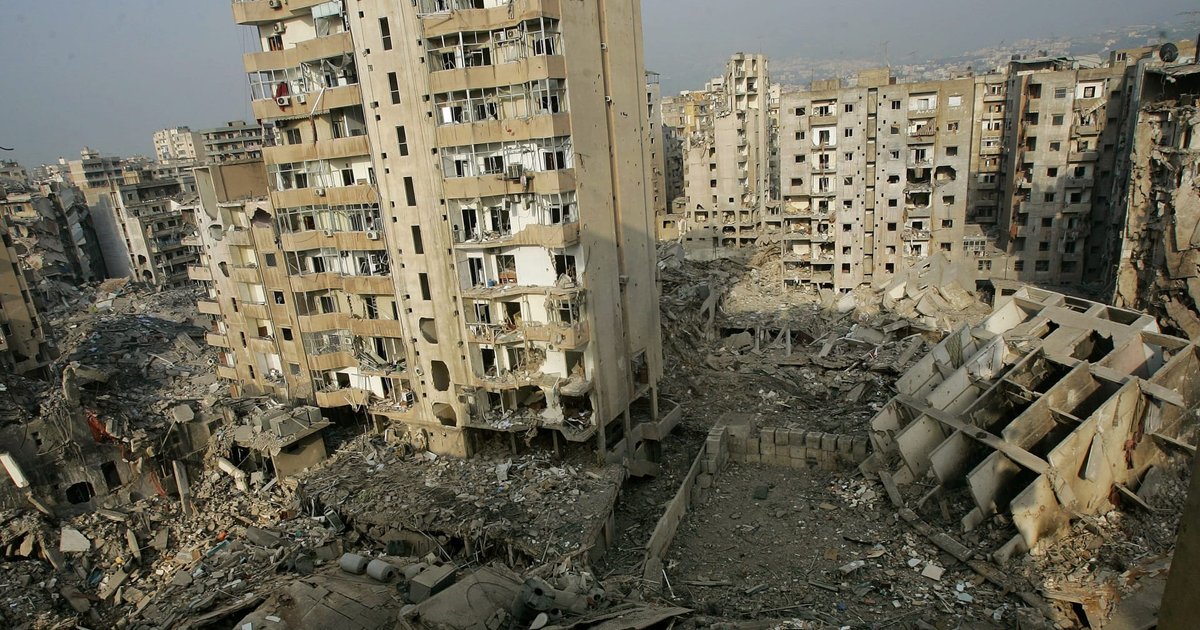
Israeli forces have issued orders for the forced evacuation of residents from seven areas in southern Beirut, as part of an escalation of military operations against Hezbollah. Israeli army spokesperson, Avichai Adraee, confirmed that the forces will continue to target Hezbollah's infrastructure in various parts of these suburbs.
These orders come at a sensitive time, as the region experiences increasing tensions due to the military escalation between Israel and Hezbollah, raising fears of severe humanitarian consequences for civilians in those areas.
Details of the Evacuation Orders
The Israeli spokesperson reported that the orders include the evacuation of residents from specific areas, indicating direct threats related to military operations. He noted that the Israeli army intends to expand its attacks against what it describes as Hezbollah's military infrastructure, further heightening tensions in the region.
This step is part of a broader Israeli strategy aimed at undermining Hezbollah's military capabilities, which are viewed as a threat to Israeli national security. The evacuation orders were issued at a time when fears of a larger escalation that could lead to widespread conflict are increasing.
Background & Context
Historically, relations between Israel and Lebanon have been marked by ongoing tensions, especially since the 2006 war between Israel and Hezbollah. Since then, the conflict has remained tense, with both parties exchanging attacks and threats. Hezbollah, which is a significant military and political force in Lebanon, enjoys considerable popular support, complicating any military escalation with Israel.
In recent years, Israel has intensified its military operations against targets in Lebanon, focusing on what it considers direct threats to its security. These new orders come amid rising regional tensions, with concerns that these operations could lead to a full-scale armed conflict.
Impact & Consequences
Analysts expect these orders to exacerbate the humanitarian situation in southern Beirut suburbs, where many civilians live under difficult conditions. The forced evacuation may leave many families homeless, increasing their suffering amid the ongoing economic and political crises in Lebanon.
Moreover, the military escalation could provoke reactions from Hezbollah, which may feel compelled to respond to Israeli attacks, raising the likelihood of armed conflict. This dynamic could lead to further escalation in the region, threatening stability in Lebanon and neighboring countries.
Regional Significance
The current events in Lebanon are part of a larger picture of the Arab-Israeli conflict, with growing concerns that military actions could lead to greater escalation in the region. Many Arab countries are closely monitoring the situation, as any escalation could impact regional stability and reopen old wounds from the longstanding conflict.
Given the multiple crises facing the region, such as the situations in Syria, Iraq, and Palestine, any escalation in Lebanon could have unforeseen repercussions on regional security. It is crucial to pursue diplomatic efforts to contain the situation before it worsens.