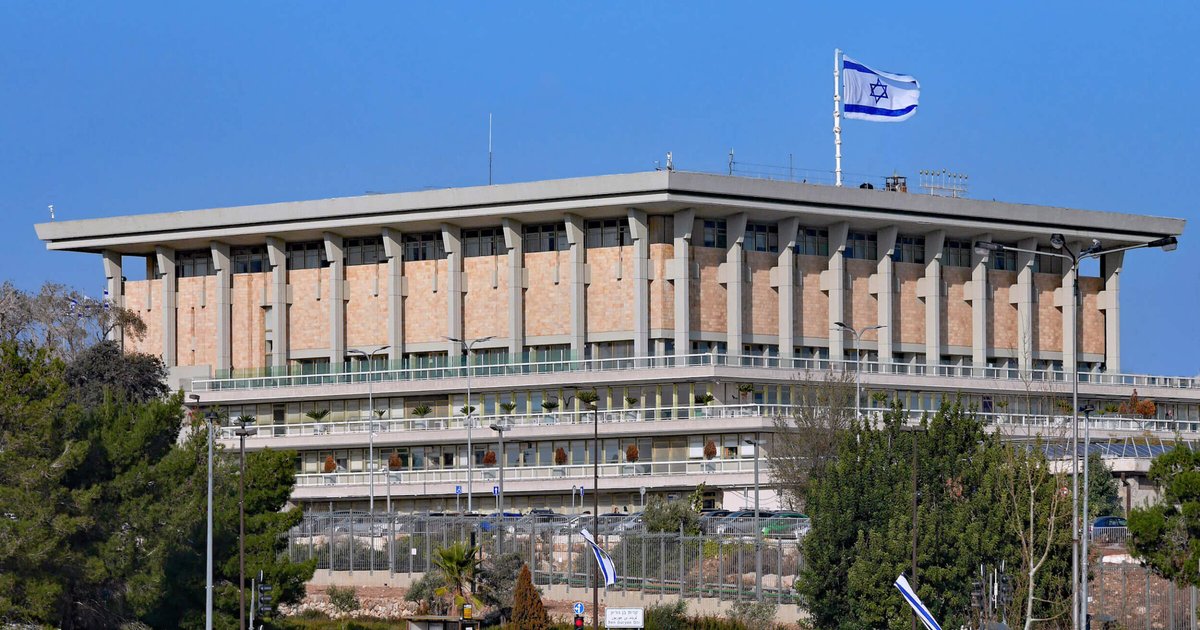
In a move that has sparked widespread reactions, Faisal Abu Shahla stated that the approval of the death penalty law for prisoners by the Israeli Knesset represents a serious escalation in the Israeli-Palestinian conflict. He noted that this law comes at a sensitive time, as tensions in the occupied territories are on the rise.
Abu Shahla, who represents the Fatah movement, added that this law reflects the repressive policies of the Israeli occupation towards Palestinians and exacerbates the prevailing unrest among the Palestinian populace. He also called on the international community to intervene to halt these policies that threaten peace in the region.
Details of the Event
The death penalty law for prisoners was approved by the Israeli Knesset after heated discussions, with some lawmakers considering it a necessary step to combat what they term terrorism. Conversely, others viewed it as a blatant violation of human rights, complicating the existing situation further.
The new law allows for death sentences to be issued against prisoners convicted of carrying out operations against the occupation, raising fears of potential mass executions that could worsen conditions in the Palestinian territories.
Background & Context
Historically, the Palestinian issue has seen numerous Israeli attempts to tighten control over Palestinians, including laws targeting prisoners. This law was enacted amid escalating military operations in the West Bank and Gaza Strip, reflecting an occupation policy based on force.
In recent years, tensions between Palestinians and Israelis have intensified, particularly following a series of attacks and military operations carried out by the occupation, leading to a worsening humanitarian situation in the occupied areas.
Impact & Consequences
The enactment of this law may lead to violent reactions from Palestinians, with widespread protests expected in the occupied territories. Additionally, this decision could contribute to increased polarization between Palestinians and Israelis, enhancing instability in the region.
Moreover, this law may affect Israel's relations with Arab countries and the international community, as Israel is likely to face diplomatic pressures to cease these repressive policies.
Regional Significance
This escalation in Israeli policies may directly impact security and stability in the Arab region. With rising tensions, fears of new confrontations between Palestinians and Israelis may increase, negatively affecting neighboring countries.
Furthermore, this law could provoke reactions from human rights organizations, which may call for action against Israel due to its ongoing violations of Palestinian rights. In this context, hope remains pinned on the international community to pressure Israel to halt these policies.