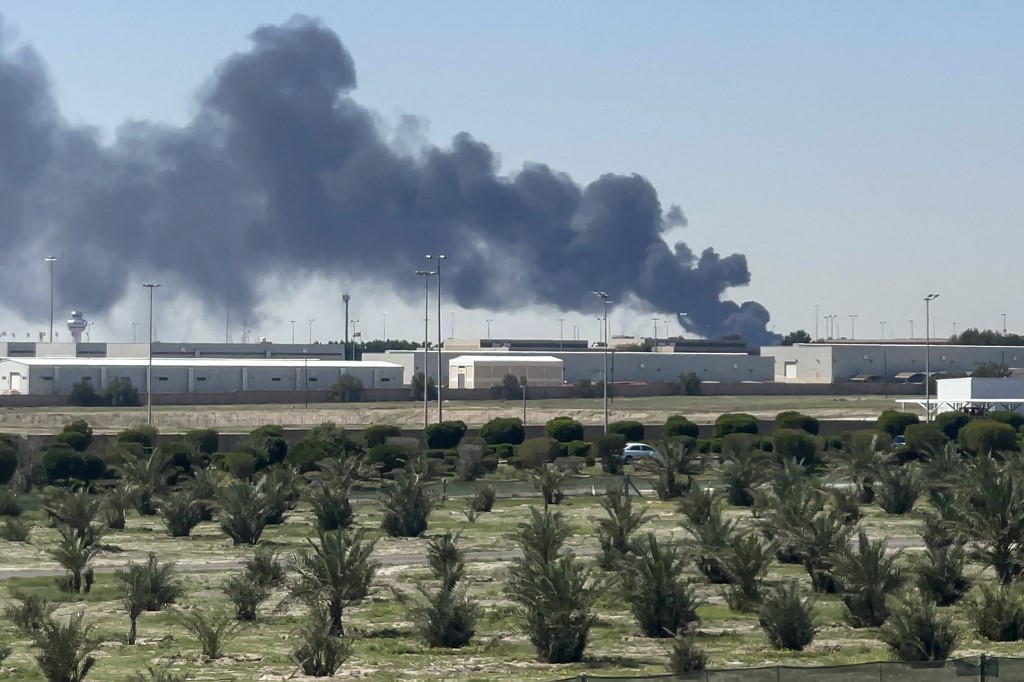
The Israeli army has revealed its plan to implement the 'Yellow Line' model in southern Lebanon, where it seeks to seize land and destroy entire villages. This move comes amid rising tensions with Hezbollah, as Israeli forces deem disarming the group an unrealistic goal.
In a media briefing presented by Israeli military officials, the necessity of establishing a 'deep defensive line' within Lebanese territory was emphasized, instead of focusing on disarming Hezbollah. This plan involves demolishing numerous homes in border villages to establish a de facto separation line similar to that imposed in the Gaza Strip.
Details of the Plan
Israel aims to execute a plan that includes the destruction of a significant number of homes in villages near the border, which will lead to a considerable demographic change in the region. This move is part of a broader strategy aimed at enhancing Israeli security in the face of potential threats from Hezbollah, which the Israeli army considers one of the largest security threats.
The 'Yellow Line', which was implemented in Gaza, had profound effects on local populations, with many families displaced and infrastructure destroyed. Now, it appears that Israel is seeking to replicate this model in Lebanon, raising fears of a new escalation in the ongoing conflict.
Background & Context
The history of the conflict between Israel and Hezbollah spans decades, with the region witnessing numerous wars and conflicts. Hezbollah was established in the 1980s in response to the Israeli occupation of Lebanon, and since then has become a prominent political and military force in the country. In recent years, tensions between the two sides have increased, especially following the war in Syria and Hezbollah's involvement there.
The current Israeli plans come at a sensitive time, as international pressure on Israel to curb violence in the region is increasing. However, it seems that the current Israeli government is adopting a more hardline policy towards Hezbollah, raising the likelihood of a new conflict.
Impact & Consequences
If the 'Yellow Line' plan is implemented in Lebanon, it will lead to serious repercussions for regional security. This move is likely to escalate violence between Israel and Hezbollah, potentially dragging the region into a broader conflict. Additionally, the destruction of villages will exacerbate the humanitarian situation in Lebanon, where residents are already suffering from economic and political crises.
This step is also a challenge to the international community, which seeks to find peaceful solutions to the conflict. Israeli actions may lead to widespread international condemnation, increasing Israel's isolation on the global stage.
Regional Significance
The ramifications of these plans extend beyond Lebanese borders, as they could affect relations between Arab countries and Israel. The escalation of conflict in Lebanon could negatively impact stability across the entire region and increase divisions among Arab states. Furthermore, any military escalation could affect peace efforts in the region and complicate the possibility of achieving lasting solutions to ongoing disputes.
In conclusion, Israel's plan to establish the 'Yellow Line' in Lebanon represents a dangerous step that could lead to a new escalation in the conflict, necessitating a firm stance from the international community to prevent worsening conditions in the region.