Israel is aiming to implement a 'Yellow Line' in southern Lebanon, akin to the border with the Gaza Strip, as the Israeli army rejected the Israeli government's request to fully occupy southern Lebanon. Instead, the army decided to establish the Litani River as a 'fire border,' monitored through what is known as the 'Yellow Line,' which is considered temporary until the government decides to withdraw.
The Israeli army announced the occupation of Ras al-Bayyadah, extending 14 kilometers into Lebanese territory from the coast, serving as a launch point for a ground attack towards the north, while also seeking to prevent the return of hundreds of thousands of displaced persons to their homes in the south.
Event Details
One month into the war, the inflow of hard currency to Lebanon has decreased, with figures showing a decline in remittances by more than 5%, with expectations of a further drop to 15%. Lebanese Economy Minister Amer al-Basat indicated that there is an economic contraction and a decline in revenues due to the massive displacement, alongside a noticeable rise in unemployment rates. The economic contraction is estimated between 7% and 10% percent, coinciding with a slowdown in the flow of funds.
In a related context, the Iraqi government confirmed that it is making every effort to prevent any escalation on its territory, following a warning from the U.S. embassy that Iran-aligned armed factions might carry out attacks in central Baghdad. The Iraqi Foreign Ministry stated that the government is working to protect diplomatic missions and foreign interests.
Background & Context
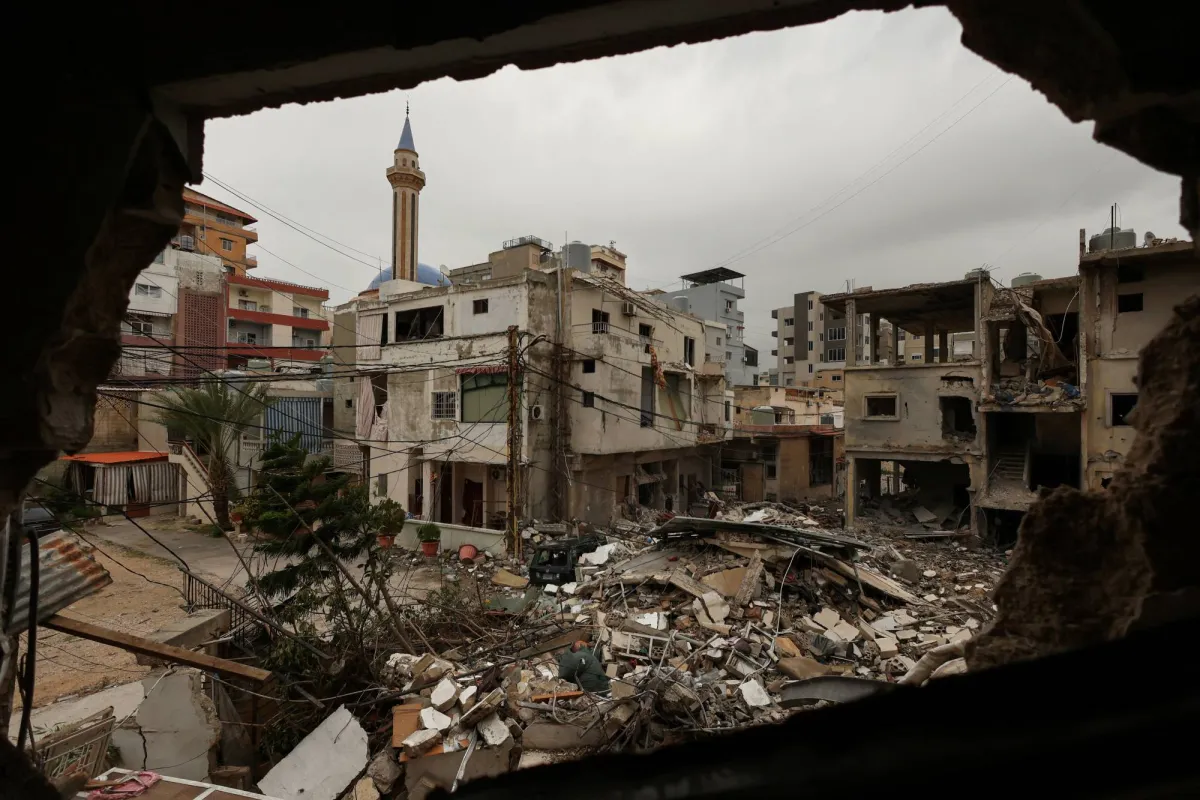
Director of the International Organization for Migration, Amy Pope, warned of 'very concerning' indicators of long-term displacement in Lebanon amid the ongoing war between Israel and Hezbollah, which has forced over a million people to flee. Pope noted that the level of destruction occurring in Lebanon requires comprehensive reconstruction even if the war ends soon.
At the same time, 18 European countries have called on Israel and Hezbollah to cease fighting as the war enters its second month. The Israeli government has affirmed its determination to establish a 'security zone' in southern Lebanon, despite the army's refusal to fully occupy the area.
Impact & Consequences
Concerns are growing about the implications of the conflict on humanitarian and economic conditions in Lebanon, where residents are suffering from a significant deterioration in living conditions. A report from Amnesty International indicated that Israeli airstrikes on Lebanon may constitute a violation of international humanitarian law, increasing pressure on the Lebanese government and the international community to intervene.
Eyes are on how this conflict will affect relations between Arab countries and Israel, especially amid rising tensions in the region. The continuation of the conflict could exacerbate humanitarian and economic crises in Lebanon, necessitating urgent international intervention.
Regional Significance
The ongoing conflict between Israel and Hezbollah poses a threat to security and stability in the Arab region. With the increasing number of displaced persons and deteriorating economic conditions, Lebanon faces significant challenges that could impact neighboring countries. Moreover, military escalation may lead to negative repercussions on relations between Arab states and Israel, complicating peace efforts in the region.
In conclusion, the situation in Lebanon remains complex, intertwining humanitarian and political dimensions, requiring an urgent response from the international community to protect civilians and achieve stability in the region.