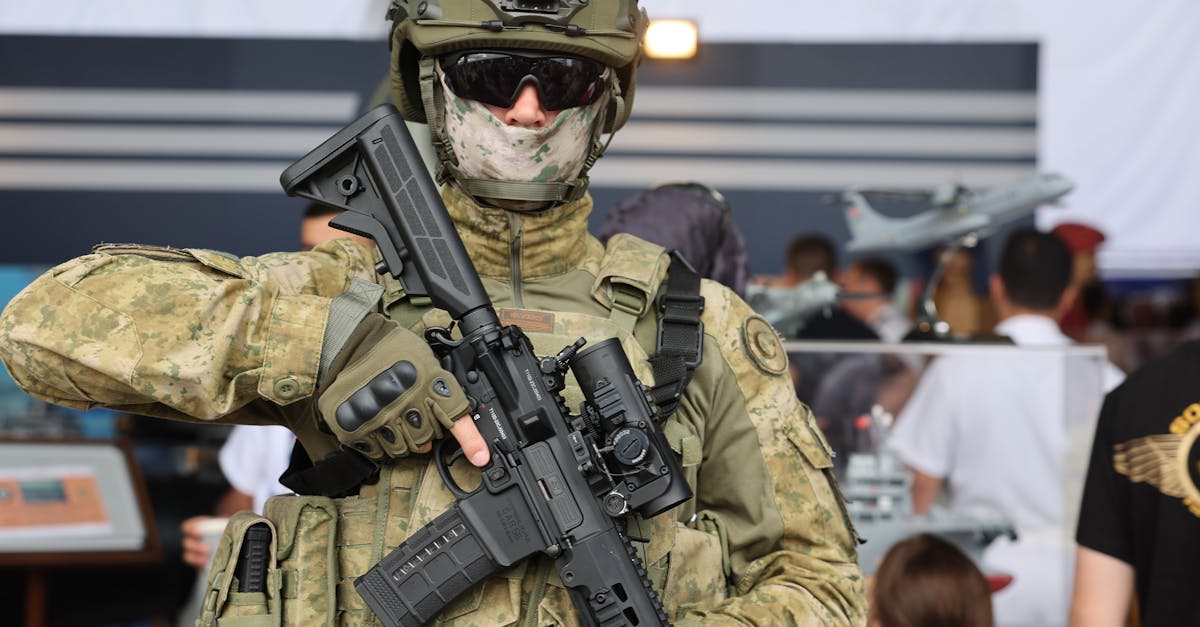
Media reports indicate that the Israeli army has begun military preparations to confront Iran in the event that diplomatic efforts to contain the increasing tensions between the two parties fail. These movements occur at a sensitive time as fears of escalating hostilities in the region grow.
Information suggests that Israeli military leadership has developed detailed plans that include multiple options for addressing Iranian threats, including targeting nuclear and missile facilities. This escalation comes as nuclear talks between Iran and major powers continue, which have not made significant progress thus far.
Details of the Situation
Concerns are rising in Israel that Iran may exploit the negotiation period to further develop its nuclear program. Military sources have confirmed that the Israeli army is prepared to carry out military operations if Iran continues to challenge the international community. Reports indicate that there is coordination with the United States to ensure the readiness of forces.
Additionally, Iranian military movements in the region have been observed, heightening tensions. Satellite images have shown movements of military equipment near the Israeli border, raising alarms among officials in Tel Aviv.
Background & Context
Historically, relations between Israel and Iran have been tense, with Israel viewing Iran as an existential threat. Since 1979, when the Shah's regime was overthrown in Iran, relations between the two countries have been marked by ongoing hostility. These tensions have notably increased after Iran began developing its nuclear program.
In recent years, Israel has conducted several attacks on Iranian targets in Syria, reflecting its strategy to prevent Iran from bolstering its military presence near its borders. Repeated Iranian statements about destroying Israel further exacerbate these tensions.
Impact & Consequences
If Israel were to execute military operations against Iran, it could lead to a significant escalation in the region. Other countries may intervene in the conflict, complicating the security situation. Any escalation could also impact global oil prices and financial markets.
Moreover, military operations could result in a refugee influx into neighboring countries, increasing pressure on regional governments. The military escalation could provoke reactions from Iran's allies, such as Hezbollah in Lebanon, raising the likelihood of a broader conflict.
Regional Significance
Arab countries neighboring Israel and Iran are increasingly anxious due to the current tensions. Any military escalation could affect regional security and increase instability in the area. Arab nations seeking to improve relations with Iran may find themselves in a difficult position.
At the same time, some countries may leverage these tensions to strengthen their alliances with major powers, such as the United States. However, the situation remains fragile and requires careful monitoring by all parties involved.