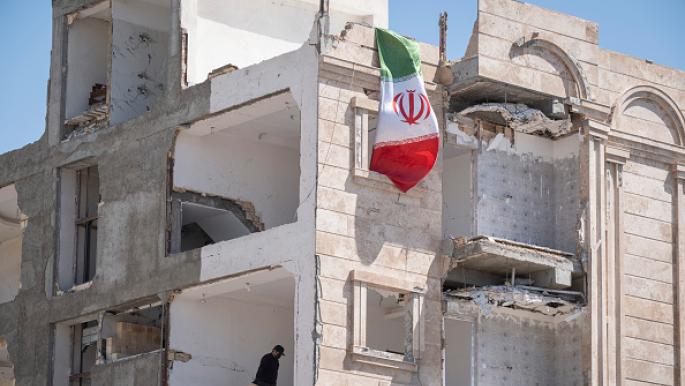
Israel is preparing for a new phase of military escalation against Iran, as reports indicate that the joint war with the United States will continue for an additional two weeks. Israeli sources estimate that the American response to Iran's downing of its aircraft will be severe, further increasing tensions in the region.
As threats escalate between the two sides, attention is focused on how events will unfold in the coming days. This escalation is considered part of an Israeli strategy aimed at undermining Iranian influence in the region.
Details of the Event
Information suggests that Israel has reinforced its military forces along the border with Iran, a move aimed at preparing for any potential reactions. Additionally, military cooperation between Tel Aviv and Washington has seen a noticeable escalation, with intelligence sharing intensifying in recent days.
Although Israel has asserted its right to defend itself, the military escalation could lead to dire consequences at the regional level, raising fears that it could spark a broader conflict that might draw other countries into the fray.
Background & Context
Historically, relations between Iran and Israel have been tense, with Israel viewing Iran as an existential threat. Recent years have seen a rise in Iranian military activities, including the development of its nuclear program, which has raised significant concerns in both Tel Aviv and Washington.
In this context, Israeli military operations come as part of a broader strategy aimed at preventing Iran from enhancing its influence in the region, particularly in Iraq and Syria. Moreover, U.S. support for Israel reflects Washington's commitment to the security of its ally in the Middle East.
Impact & Consequences
The military escalation is expected to have significant implications for regional stability. It could lead to increased tensions between Arab states and Iran, complicating peace efforts in the region. Furthermore, any military escalation may affect oil prices and global financial markets.
Additionally, major powers may reassess their strategies in the region, especially if hostilities continue. This could result in changes to political and military alliances in the Middle East.
Regional Significance
The current events are particularly significant for Arab states, as any military escalation could destabilize neighboring countries. There are also concerns that hostilities could lead to a flow of refugees and increased sectarian tensions in the region.
In light of these circumstances, Arab countries must be prepared to address potential repercussions, whether through enhanced security cooperation or by seeking diplomatic solutions to avoid escalation.
The current situation between Israel and Iran poses a significant challenge to regional security, requiring efforts from all parties involved to avoid escalating tensions and achieve peaceful resolutions.