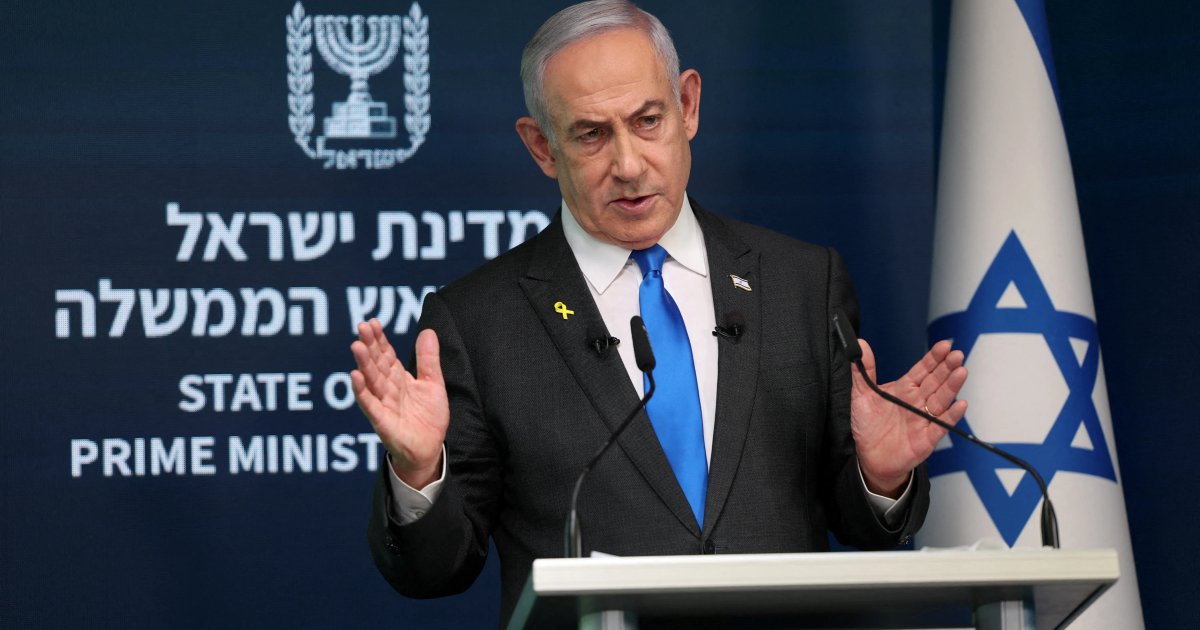
Amid escalating tensions, reports indicate that Prime Minister Benjamin Netanyahu is under pressure from Unit 8200 officers to eliminate Hezbollah leader Hassan Nasrallah. This comes at a critical juncture, marking a potential turning point in the conflict.
On September 23, 2024, Netanyahu visited Unit 8200, one of the most secretive intelligence units in the Israeli army. During the visit, young officers pressed him to adopt a more assertive strategy towards Hezbollah, prompting him to instruct the preparation of two strategic alternatives to address the current challenges.
Details of the Event
Reports suggest that the pressures faced by Netanyahu are part of the Israeli government's efforts to strengthen its position against the increasing threats from Hezbollah. Unit 8200, known for its high intelligence capabilities, plays a pivotal role in determining Israeli military strategies.
Hezbollah, based in Lebanon, is considered one of the most significant security challenges for Israel, and the relationship between the two has seen notable escalation in recent years. Under these circumstances, Netanyahu seeks to take decisive steps that could impact the course of the conflict in the region.
Background & Context
Historically, relations between Israel and Hezbollah have been marked by increasing tensions since the July 2006 war, which resulted in heavy losses for both sides. Since then, Hezbollah has taken steps to enhance its military capabilities, raising Israel's concerns regarding its national security.
In recent years, fears have grown that any military escalation could lead to a comprehensive conflict in the region, especially given the political and economic crises affecting neighboring countries. This situation makes it imperative for Israel to adopt effective strategies to deal with the surrounding threats.
Impact & Consequences
If any plan to eliminate Nasrallah is executed, it could lead to significant escalation in the conflict, heralding serious repercussions for regional security. Hezbollah may respond forcefully, potentially dragging the region into a widespread conflict, affecting stability in Lebanon and Syria.
Moreover, any escalation could impact Israel's relations with major powers, particularly the United States, which seeks to achieve stability in the region. Washington may find itself compelled to intervene, further complicating the situation.
Regional Significance
Arab countries are directly affected by any escalation between Israel and Hezbollah, as this could lead to an influx of refugees and increased sectarian tensions in the region. Additionally, any new war could impact Arab economies, particularly those reliant on regional stability.
Under these circumstances, Arab nations must be prepared to face any repercussions that may arise from potential escalation and work to enhance regional cooperation to address security challenges.
In conclusion, the situation in the region appears to be heading towards further complexity, with increasing pressures on Israel to take decisive steps. It remains to be seen how regional and international powers will react to these developments and whether they will succeed in avoiding a larger escalation.