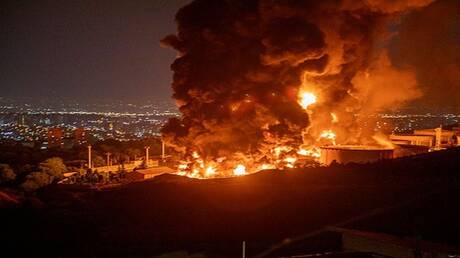
Israeli officials have informed CNN that Israel has prepared a new list of Iranian targets, which includes critical infrastructure and the energy sector, as part of its readiness for a scenario where current talks between the United States and Iran fail.
These developments come at a sensitive time, as the United States is striving to reach a new nuclear agreement with Iran, increasing tensions in the region. Israeli sources have confirmed that these targets were carefully selected to enhance pressure on Tehran.
Details of the Event
The updated list includes strategic targets such as nuclear power facilities and vital industrial sites. This list has been prepared as part of a comprehensive plan aimed at bolstering Israeli national security amid growing concerns over Iran's nuclear activities.
Israeli officials indicated that this move is part of a long-term strategy to counter Iranian threats, which include Tehran's support for armed groups in the region. They also emphasized that any military action would depend on a green light from Washington, reflecting the close relationship between the two countries.
Background & Context
Historically, relations between Israel and Iran have seen increasing tension, especially following the U.S. withdrawal from the Iranian nuclear deal in 2018. Since then, Israel has ramped up its intelligence and military operations against Iranian targets, leading to heightened tensions in the region.
In recent years, Israel has conducted several airstrikes on Iranian sites in Syria, reflecting its strategy to prevent Iran from bolstering its military presence near Israeli borders. These operations come as part of Tel Aviv's efforts to ensure its national security amid escalating threats.
Impact & Consequences
If Israeli strikes are executed, it could lead to a significant escalation of military tensions in the region. Iran may respond to any attack by targeting Israeli or American interests in the area, potentially resulting in a cycle of violence.
Additionally, these developments could impact ongoing nuclear talks, as Iran may view any Israeli attack as a provocation, complicating efforts to reach an agreement. International reactions to any escalation could also affect relations between major powers and Iran.
Regional Significance
These developments are particularly significant for Arab countries, as they may lead to increased tensions in the Middle East. Neighboring countries to Iran, such as Iraq and Syria, could find themselves caught in the midst of any military escalation, exacerbating civilian suffering.
Moreover, any military escalation could affect oil prices and global markets, negatively impacting Arab economies that heavily rely on oil exports. Therefore, the situation requires close monitoring by Arab nations to ensure regional stability.
In light of these tense circumstances, the question remains regarding the international community's ability to contain the escalation between Israel and Iran, and whether the United States will take concrete steps to prevent any potential military escalation.