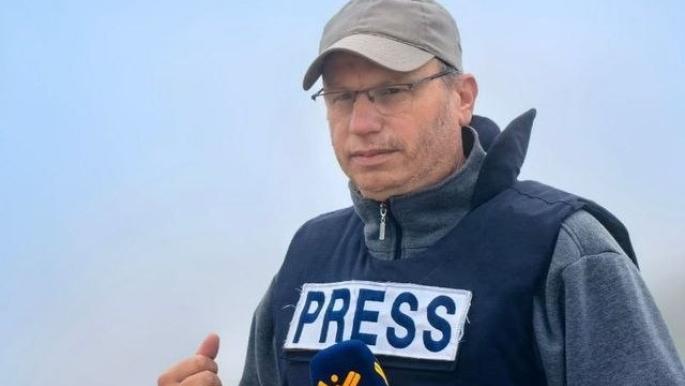
Israel continues to promote false claims aimed at justifying its repeated targeting of journalists, as a fake image of Lebanese reporter Ali Shaib has recently surfaced, depicting him in Hezbollah attire. This move comes at a sensitive time, as assaults on journalists in conflict zones have increased, raising international concerns about press freedom.
The image, published by Israeli media, was used as alleged evidence of Shaib's ties to armed groups, a claim vehemently denied by his family and colleagues. This incident is not the first of its kind, as many journalists in the region have faced similar targeting, reflecting the occupation's policy of suppressing dissenting voices.
Details of the Incident
In recent days, Israeli media outlets have circulated a fake image of reporter Ali Shaib, altered to show him in the uniform of a Hezbollah fighter. This image has been used to justify Israeli military operations against journalists, provoking angry reactions from human rights organizations and journalists alike. Many reporters have confirmed that this campaign aims to tarnish their reputations and justify assaults against them.
Ali Shaib, who covers events in Lebanon, is considered one of the journalists who face significant risks amid the tense conditions in the region. His family has asserted that the published image does not reflect reality but is part of a smear campaign aimed at justifying assaults on journalists.
Background & Context
Historically, press freedom in conflict areas has been under threat, with media outlets facing significant pressures from authorities. In recent years, the region has witnessed a rise in assaults on journalists, particularly amid armed conflicts. This situation reflects the considerable challenges independent journalism faces in covering events objectively.
Israel is one of the countries that adopt strict policies towards journalists, with numerous incidents recorded where journalists have been arrested or assaulted. These policies raise concerns among human rights organizations that call for the protection of journalists and the guarantee of freedom of expression.
Impact & Consequences
The repercussions of this incident extend beyond Lebanon, affecting press freedom across the region. The use of fake images to justify assaults on journalists may contribute to creating an environment hostile to freedom of expression, increasing the risks faced by media outlets. Furthermore, these policies could lead to a decline in media coverage of significant events, impacting public awareness.
Moreover, these incidents reflect the escalating tensions between Israel and Hezbollah, complicating the security situation in the region. Under these circumstances, it becomes essential to enhance efforts to protect journalists and ensure their safety while performing their professional duties.
Regional Significance
This incident serves as a wake-up call for all Arab countries facing similar challenges regarding press freedom. Assaults on journalists justified by false claims may lead to a decline in trust in media institutions and heighten concerns about freedom of expression. Additionally, these policies may foster a culture of fear among journalists, negatively affecting the quality of media coverage.
Ultimately, the current situation in the Arab region requires a concerted effort from human rights organizations and the international community to protect journalists and ensure freedom of expression. Assaults on journalists are not merely violations of their rights but an assault on the right to knowledge and information.