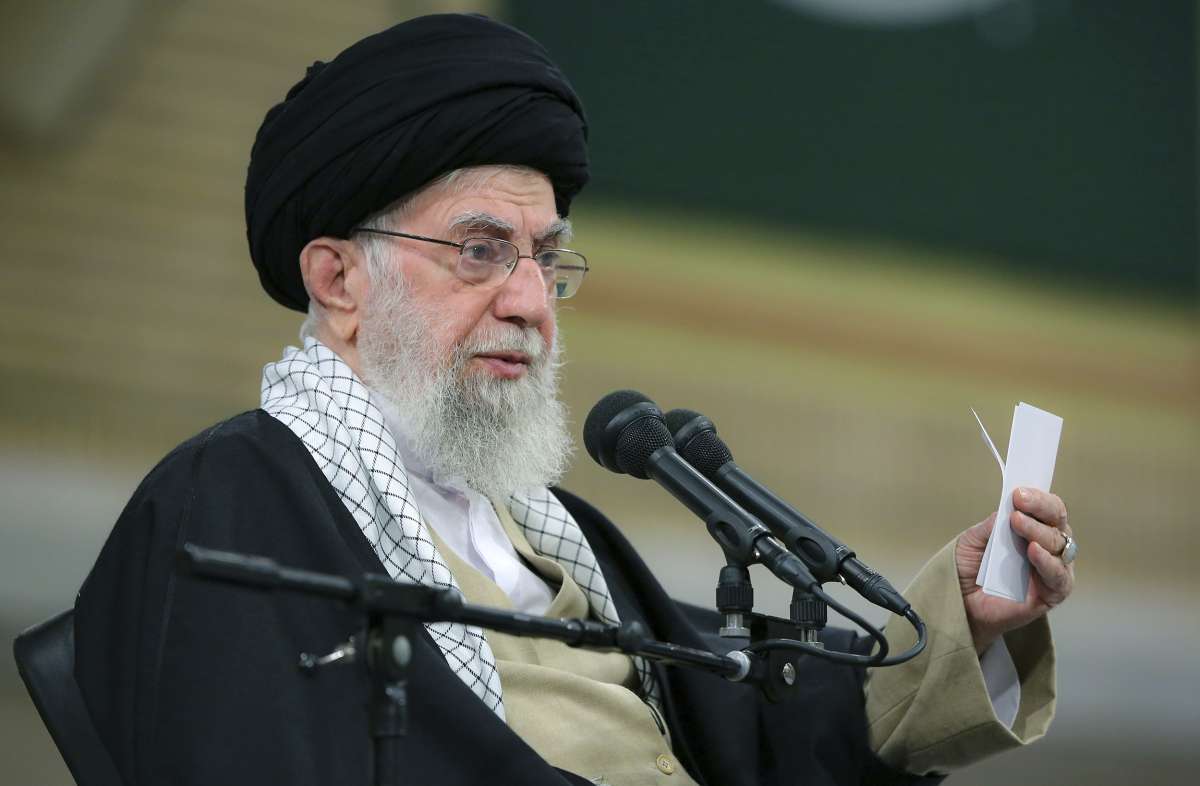
Israeli newspaper Maariv has reported that Israel does not intend to target Ayatollah Mojtaba Khamenei, the Iranian Supreme Leader, in compliance with a US decision aimed at maintaining a prominent Iranian figure at this time. This decision is part of Washington's efforts to solidify a potential ceasefire agreement in the region.
The newspaper noted that the United States has sent a clear message not to harm several prominent Iranian figures, including Mojtaba Khamenei, Foreign Minister Abbas Araqchi, and Parliament Speaker Mohammad Baqer Qalibaf. This comes at a time when pressure on the Iranian regime is increasing, making it essential to have a figure capable of signing on behalf of the regime and committing to any potential agreement in front of the Iranian public.
Details of the Event
According to Israeli sources, the lack of public appearances by Mojtaba Khamenei may be related to a deterioration in his health, as he is believed to be suffering from facial disfigurement. However, the Israeli newspaper continues to assert that Khamenei is still performing his duties, and his official status remains crucial should circumstances require it.
In contrast, the Iranian news agency IRNA quoted Foreign Ministry spokesman Ismail Baghaei confirming that Khamenei is in good health, indicating that his delayed appearances are due to wartime conditions. This discrepancy in information reflects a state of ambiguity regarding the health status of the Iranian leader.
Context and Background
Israel considers the current situation in Iran to be quite similar to the state experienced by the late Palestinian leader Yasser Arafat before the signing of the Oslo Accords. During that period, Arafat was a wounded and weakened leader, yet he remained the only figure capable of providing a binding signature to any agreement. This analogy reflects Israeli perceptions of the current weakness of the Iranian regime.
Tel Aviv believes that the Iranian leadership is suffering from internal divisions, as the Revolutionary Guard seeks to impose its vision on Iranian politics, while the political camp, represented by the president and foreign minister, aims to achieve consensus with the international community. This internal conflict reflects the challenges faced by the Iranian regime in formulating a unified stance.
Impact and Consequences
Israeli estimates indicate that the Iranian Revolutionary Guard is attempting to convey two main messages. The first is that Iran is capable of withstanding pressure, and the second is that the United States is not seeking a genuine agreement but is playing a political game aimed at preventing rising oil prices. These messages reflect the Revolutionary Guard's strategy in facing American pressures.
At the same time, Tel Aviv estimates that pressures on the pragmatic camp in Iran are increasing, as the damage inflicted on the arms industry, particularly the steel industry, is seen as a significant blow to the regime. This situation could lead to heightened tensions within Iran and complicate the political landscape further.
Impact on the Arab Region
The situation in Iran and its impact on the Arab region is a vital topic, as any potential ceasefire agreement could directly affect the stability of neighboring countries. Amid escalating tensions, Arabs are closely monitoring developments, especially with growing concerns about the conflict's impact on oil prices and global markets.
In conclusion, the situation in Iran remains a focal point for the world, as internal conflicts intertwine with regional and international tensions. Any step towards achieving stability in Iran could significantly influence the future of the region.