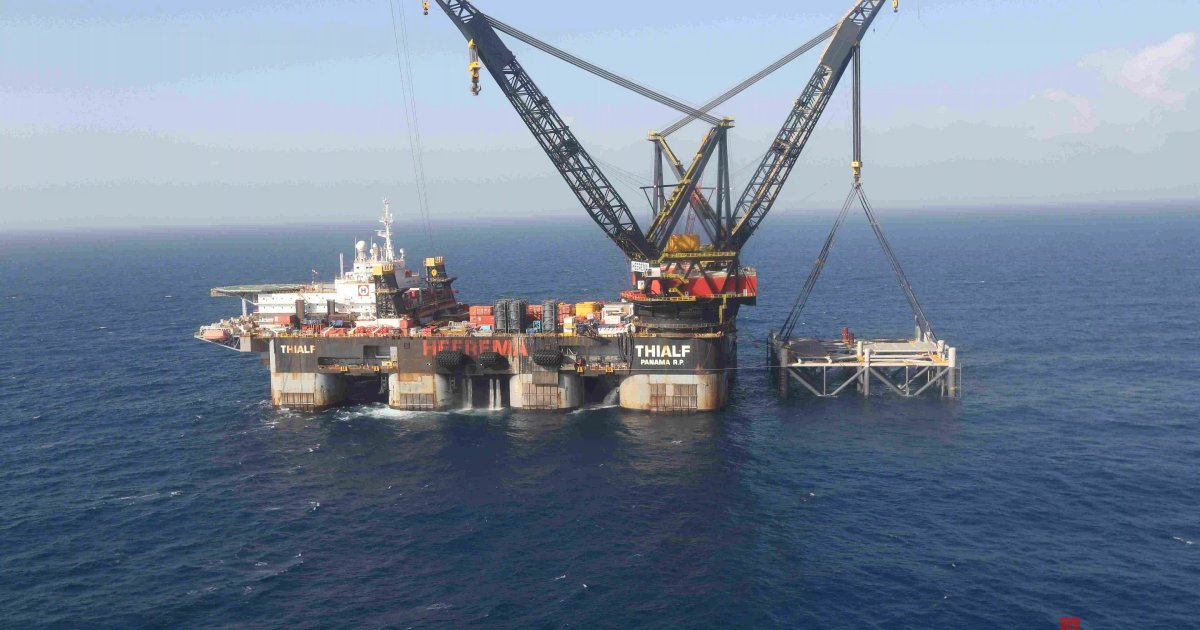
Israel has announced the restart of the Leviathan gas platform after a five-week halt due to military escalation with Iran and Hezbollah. This decision is part of the Israeli government's efforts to restore stability in the energy sector, which is considered one of the cornerstones of the national economy.
The platform's shutdown was a result of increasing security threats in the region, where Israel's northern borders witnessed a surge in attacks and military operations. However, the resumption of operations reflects Israel's desire to resume natural gas production and exports, thereby strengthening its economic position amid regional tensions.
Details of the Event
The Leviathan platform, regarded as one of the largest gas fields in the Mediterranean Sea, began operations in 2019. The platform produces significant quantities of natural gas, making it a vital component of Israel's energy strategy. After five weeks of inactivity, the decision to restart was made following an assessment of the security situation and ensuring the protection of facilities.
This move came after intensive consultations between the Israeli government and military leadership, confirming that the security situation had improved sufficiently to resume operations. This step is expected to enhance gas supplies to the local market and neighboring countries, reflecting the strategic importance of natural gas in Israeli policy.
Background & Context
Historically, the Middle East has suffered from ongoing conflicts, with energy issues playing a pivotal role in these disputes. Since the discovery of gas fields in the Mediterranean, Israel has become a key player in the regional energy market. With escalating tensions with Iran and Hezbollah, concerns have increased regarding the impact of these conflicts on gas supplies.
In recent years, Israeli relations with its neighbors have deteriorated, particularly with the rise of military activities by Hezbollah, which is backed by Iran. This escalation has directly affected economic operations, prompting the Israeli government to take proactive steps to ensure the continuity of energy supplies.
Impact & Consequences
The restart of the Leviathan platform could have positive effects on the Israeli economy, as it will contribute to increased revenues from gas exports. Additionally, this move may bolster Israel's position in international forums, especially as it seeks to expand its energy partnerships with European countries.
Moreover, resuming production could help reduce reliance on external energy sources, thereby enhancing Israel's economic independence. However, risks remain, as any new military escalation could negatively impact operations and revert the situation to square one.
Regional Significance
The restart of the Leviathan gas platform is a significant event not only for Israel but for the entire Arab region. With the increasing demand for energy in neighboring countries, this step could influence gas prices in regional markets. Additionally, the stability of Israeli gas supplies may alter the dynamics of relations between Israel and Arab countries, especially those seeking to develop energy partnerships.
In conclusion, the Middle East remains at the heart of geopolitical tensions, where energy issues play a crucial role in shaping the relationships between nations. The restart of the Leviathan platform may be a step towards greater stability, but it carries challenges and risks that require constant vigilance from all parties involved.