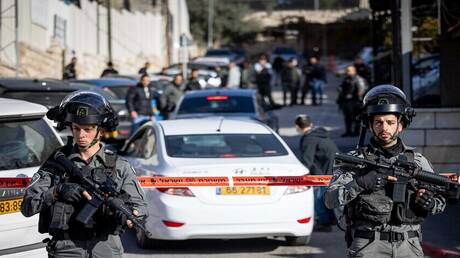
Israeli authorities disclosed details of three espionage cases involving Iran on Friday morning, highlighting escalating tensions in the region. These revelations come amid rising concerns over Iranian activities in the Middle East and their impact on regional security.
The disclosed cases involve information about individuals allegedly working for Tehran, who were arrested as part of complex intelligence operations. This news has raised widespread alarm within Israeli political and security circles, which view these activities as a direct threat to national security.
Details of the Espionage Cases
According to reports, the three cases were revealed during a security operation conducted by Israeli agencies, resulting in the arrest of several individuals involved in espionage activities for Iran. Information indicates that these individuals were gathering sensitive data about Israeli military and security sites, reflecting the level of cooperation between Iran and local elements in Israel.
These cases are considered part of Iran's broader strategy to enhance its influence in the region, as Tehran seeks to utilize a network of operatives to collect information and influence political events in neighboring countries.
Background & Context
Historically, relations between Israel and Iran have been increasingly strained, with Israel viewing Iran as an existential threat due to its nuclear program and support for armed groups in the region. These tensions have escalated in recent years, particularly following the United States' withdrawal from the Iranian nuclear deal in 2018.
It is noteworthy that Israel has carried out several military and intelligence operations against Iranian targets in Syria and Lebanon, reflecting its strategy to counter Iranian threats. Additionally, these cases emerge at a time when the region is witnessing significant political shifts, complicating the security landscape further.
Impact & Consequences
Analyses suggest that the revelation of these cases may lead to heightened tensions between Israel and Iran, with Israel likely to take retaliatory actions against the individuals or groups involved. Furthermore, these events could affect Israel's relations with other countries in the region, especially those seeking to improve ties with Iran.
Moreover, these cases may increase pressure on the Israeli government to bolster its security measures, potentially impacting the daily lives of citizens. These developments may also raise concerns within the international community regarding stability in the region.
Regional Significance
This development is significant for the Arab region, as it could affect relations between Arab countries and Iran. Amid ongoing tensions, some Arab nations may seek to enhance their security cooperation with Israel to counter Iranian threats.
Additionally, these cases could impact peace efforts in the region, as they may heighten suspicions regarding Iran's intentions and affect future negotiations. At the same time, some political groups may exploit these events to strengthen their positions against Iran.
In conclusion, the three cases revealed underscore the increasing tensions between Israel and Iran, highlighting the security challenges facing the region. Under these circumstances, the situation in the Middle East remains complex and requires close monitoring by the international community.