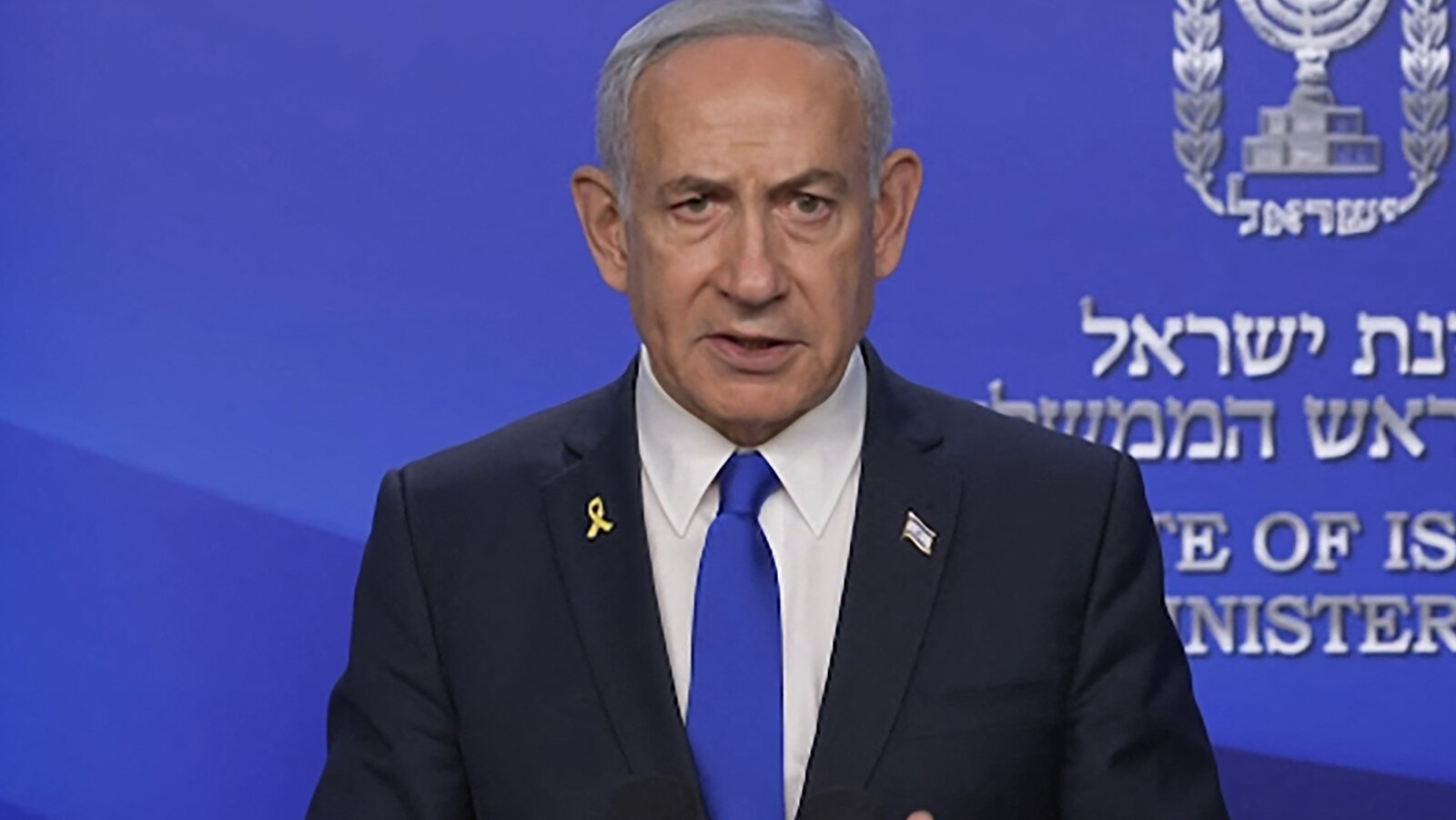
Israeli Prime Minister Benjamin Netanyahu announced that his country is working to form new alliances with key countries in the region to confront what he described as the 'Iranian threat.' Netanyahu emphasized in his statements that Iran has attempted to suffocate Israel, but the situation has changed today, as Israel is now in a position to suffocate Iran, indicating that the Iranian regime is weaker than ever before.
Netanyahu's statements come at a sensitive time when the region is experiencing increasing tensions, as the Israeli occupation seeks to enhance its security by building strategic relationships with other countries. Although he did not specify the names of the countries involved, the statements suggest new trends in Israeli policy aimed at countering the growing Iranian influence in the region.
Details of the Event
In his remarks, Netanyahu did not provide precise details regarding the nature of the new alliances or the countries Israel is seeking to cooperate with. However, the statements reflect an increasing Israeli concern over Iranian activities, especially amid ongoing tensions in the Middle East. In recent years, Iran has made attempts to bolster its influence in countries such as Iraq, Syria, and Lebanon, raising Israeli fears of potential threats to its national security.
Netanyahu, who faces both internal and external challenges, appears to be seeking to unify efforts with potential allies to confront what he considers an existential threat. He pointed out that the Iranian regime is suffering from internal weakness, which may provide an opportunity for Israel to strengthen its position in the region.
Background & Context
Historically, Israeli-Iranian relations have been tense, with ongoing conflicts between the two sides over the past decades. Since the Islamic Revolution in Iran in 1979, Iran has become one of Israel's primary adversaries, supporting groups such as Hezbollah and Hamas, which has intensified the conflict in the region.
In recent years, Israel has increased its military operations against Iranian targets in Syria, aiming to prevent Iran from establishing a military presence near its borders. Additionally, the Iranian nuclear agreement reached in 2015, from which the United States later withdrew, has heightened Israeli concerns about the possibility of Iran acquiring nuclear weapons.
Impact & Consequences
Netanyahu's statements indicate a strategic shift in Israeli policy, as it seeks to expand its circle of alliances in the region. This trend could contribute to enhancing Israeli security, but it may also lead to escalating tensions with Iran and its allies.
If Israel succeeds in forming new alliances, it could affect the balance of power in the region, potentially leading to changes in the dynamics of the Arab-Israeli conflict. Strengthening relations with countries such as the United Arab Emirates and Bahrain, following the Abraham Accords, could open new avenues for Israel in confronting Iranian threats.
Regional Significance
These developments are significant for the Arab region, as they may impact relations between Arab countries and Iran. Amid increasing tensions, some Arab countries may find themselves in a position that requires them to make strategic decisions regarding their relationships with both Iran and Israel.
Furthermore, the strengthening of Israeli alliances could lead to greater polarization in the region, complicating the political landscape. At the same time, some Arab countries may seek to enhance their cooperation with Iran to address common challenges, further complicating regional relations.
In conclusion, developments in Israeli-Iranian relations remain a major focus of interest, as any changes in this context could directly affect security and stability in the region.