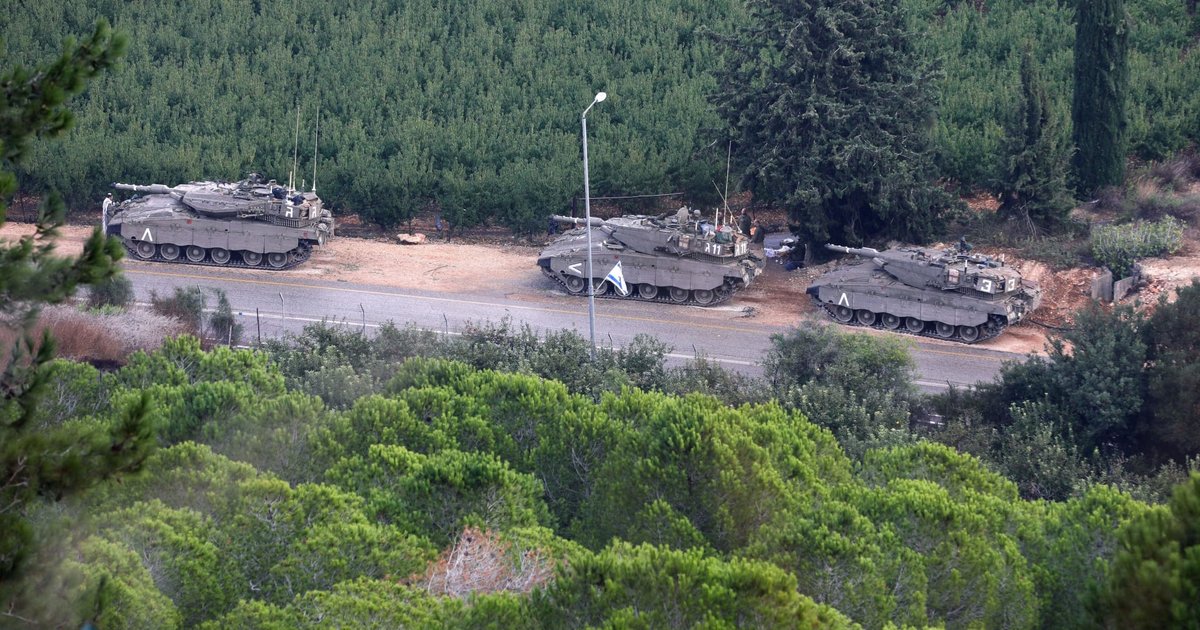
Israel is striving to enhance its control over the southern regions of Lebanon, extending to the Litani River, in a move aimed at diminishing the influence of Hezbollah, which the Israeli occupation considers a security threat. This action comes at a sensitive time, as the Lebanese government has expelled the Iranian ambassador, reflecting increasing tensions in the relations between Beirut and Tehran.
In an interview with Jumana Barshatish on the program Middle East and Africa Horizons, David Wood from the International Crisis Group pointed out that Lebanon is facing significant difficulties in controlling Hezbollah, which enjoys strong influence in the country and is considered part of the Lebanese political and social fabric.
Details of the Event
Through these steps, Israel aims to achieve its security objectives in the region, believing that control over southern Lebanon will help reduce Hezbollah's military activities. This move is part of a broader strategy aimed at confronting Iranian threats in the region, which have been increasing markedly.
At the same time, the expulsion of the Iranian ambassador from Lebanon reflects a shift in Lebanese policy, as the government seeks to reduce reliance on Tehran amid growing international pressures. This shift could impact Lebanese-Iranian relations and complicate the political landscape in Lebanon.
Background & Context
Historically, Lebanon has witnessed multiple conflicts with Israel, with the southern border being the stage for numerous military disputes. Since 2006, when the July War broke out, Hezbollah has become a key player in the Lebanese equation, further complicating relations between Lebanon and Israel.
Iran is the main supporter of Hezbollah, making any action against the party closely linked to Iranian policies in the region. In recent years, tensions between Iran and Israel have escalated, placing Lebanon in a difficult position between these two regional powers.
Impact & Consequences
The recent Israeli steps may lead to an escalation of tensions in the region, as Hezbollah could respond with military operations or new threats against Israel. This escalation could affect stability in Lebanon and increase the suffering of the Lebanese people, who are already grappling with economic and political crises.
Moreover, the expulsion of the Iranian ambassador could lead to a reduction in Iranian support for Hezbollah, potentially impacting its military and political capabilities. However, at the same time, the party may seek to strengthen its alliances with other forces in the region to counter Israeli pressures.
Regional Significance
These developments hold significant importance for the Arab region, reflecting the ongoing conflicts between regional powers. The rising tensions between Iran and Israel may affect neighboring countries such as Syria and Jordan, potentially leading to security and economic repercussions for these nations.
Ultimately, the situation in Lebanon remains complex, as the Lebanese government must confront internal and external challenges amid these changing circumstances. Lebanon's stability largely depends on how the government manages these pressures and how Hezbollah responds to these Israeli moves.