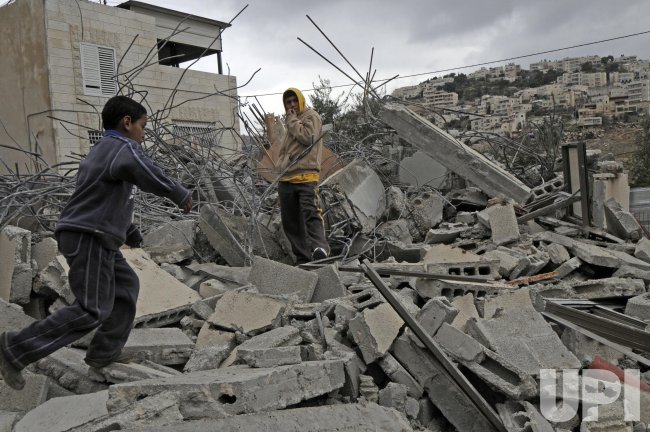
The Organization of Islamic Cooperation has strongly condemned the Israeli occupation's seizure of 15 homes in the Silwan neighborhood of Jerusalem, which has resulted in the displacement of several Palestinian families. This incident once again highlights the policy of forced displacement pursued by the occupying authorities, targeting the Palestinian presence in the holy city.
This move comes at a sensitive time, as Israeli violations against Palestinians have increased, provoking angry reactions at the international level. The organization expressed its deep concern over these violations, calling on the international community to take a firm stance to stop these practices.
Details of the Incident
In recent days, Israeli occupation forces have carried out operations to seize Palestinian homes in the Silwan neighborhood, displacing 15 families from their homes. This operation was conducted under a claimed legal pretext, with the occupying authorities asserting that these homes belong to Jewish entities. However, these claims face widespread rejection from Palestinians and the international community, which views these policies as a blatant violation of human rights.
These events are accompanied by rising tensions in Jerusalem, where the occupation seeks to strengthen its presence in the city by expanding settlements and displacing the indigenous population. The region has witnessed numerous displacement operations in recent years, exacerbating the humanitarian and social conditions for Palestinians.
Background & Context
Historically, Jerusalem has seen numerous attempts by the Israeli occupation to alter the demographic composition of the city. Since 1967, when Israel occupied East Jerusalem, the occupying authorities have begun implementing policies aimed at reducing the Palestinian presence. These policies include building settlements, demolishing homes, and imposing strict restrictions on construction and development.
The Silwan neighborhood, located near the Old City, is considered particularly targeted. Its residents face increasing pressure from the occupation, as they are displaced from their homes under various pretexts, threatening their existence in the area. These conditions reflect the ongoing conflict between Palestinians and Israelis, which extends beyond mere territorial disputes to encompass issues of identity and human rights.
Impact & Consequences
These displacement operations are considered a blatant violation of international laws, as they contradict the Geneva Conventions that prohibit the forcible transfer of populations. Additionally, these policies exacerbate the humanitarian situation in the region, as many Palestinians find themselves homeless, increasing their daily suffering.
Politically, these violations may escalate tensions between Palestinians and Israelis, threatening peace efforts in the region. Furthermore, international reactions may increase, with growing calls for sanctions against the occupation due to its repeated violations.
Regional Significance
The Palestinian issue is a central concern in the Arab world, with events in Jerusalem affecting relations between Arab states and Israel. The continuation of the occupation and displacement operations may lead to increased discontent in the Arab street, reflecting on the internal and foreign policies of Arab countries.
Moreover, these events may strengthen the position of Palestinian groups opposing the occupation, intensifying the conflict. Under these circumstances, the hope for achieving a just and comprehensive peace remains elusive, necessitating genuine international efforts to end the occupation and restore Palestinian rights.
In conclusion, the issue of displacement in Silwan remains a stark example of the challenges facing Palestinians under occupation. The continuation of these policies requires urgent action from the international community to put an end to these violations and protect human rights in the Palestinian territories.