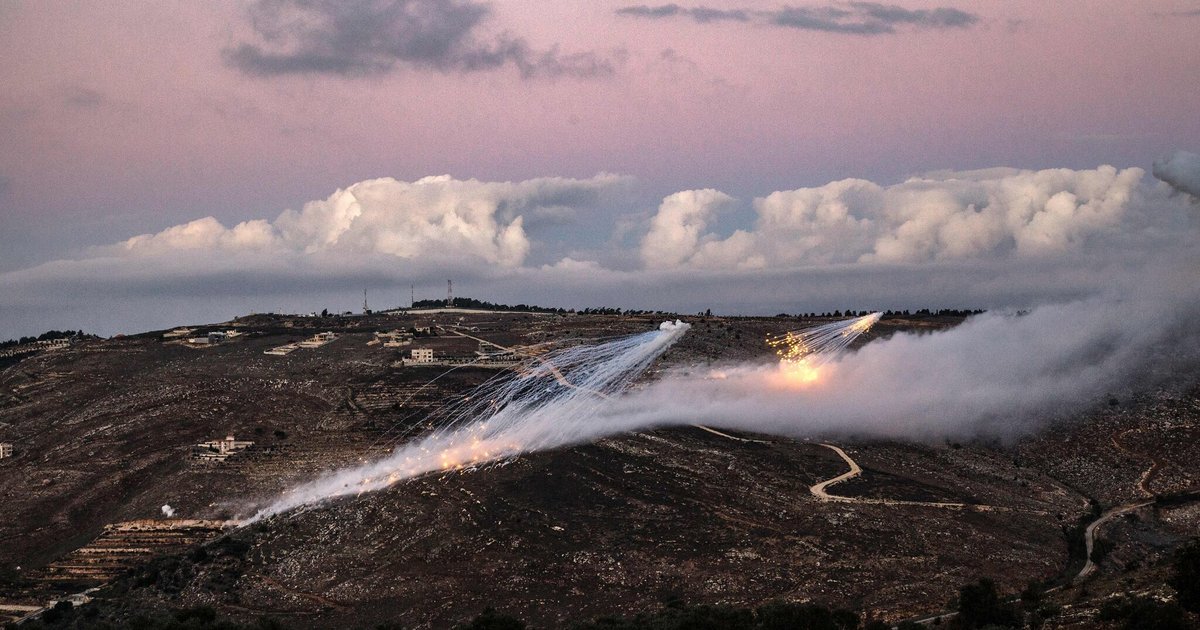
The Emirates Global Aluminum company, the largest aluminum producer in the Middle East, reported substantial damage to its plant in Al Taweelah, Abu Dhabi, due to missile and drone attacks from Iran. The attacks, which took place on Saturday, come in the context of rising military tensions in the region, with increasing fears of a larger escalation between Iran and Israel.
Al Taweelah is considered a strategic location in the aluminum industry, being the largest aluminum production facility in the UAE. The company confirmed that the damage to the plant could affect production and exacerbate economic tensions in the region.
Details of the Incident
The Iranian attacks on the aluminum plant followed a series of hostile statements between Tehran and Tel Aviv, with Israel accusing Iran of continuing to develop its nuclear program and supporting armed groups in the region. Images circulated on social media showed the extent of the destruction at the plant, raising concerns about the environmental and economic impact of these attacks.
Reports indicated that the attacks did not result in human casualties; however, they disrupted operations at the plant, which could impact the aluminum market in the region. The UAE issued an official statement condemning the attacks and reaffirming its right to defend its territory.
Background & Context
Historically, relations between Iran and Israel have been marked by increasing tensions, especially following the signing of the Iranian nuclear deal in 2015. With the United States withdrawing from the agreement in 2018, fears escalated that Iran might resume its nuclear activities. Since then, Israel has intensified its military operations against Iranian targets in Syria and Lebanon, heightening the conflict in the region.
The United Arab Emirates is one of the countries seeking to stabilize the region and normalized its relations with Israel in 2020. However, the Iranian attacks could revert the situation to square one and increase tensions between Arab states and Iran.
Impact & Consequences
The Iranian attacks on the aluminum plant in Abu Dhabi could lead to significant economic repercussions, as the UAE's economy heavily relies on the industrial sector. Damage to the plant may result in rising aluminum prices in global markets, affecting numerous other industries.
Moreover, the military escalation could prompt other countries in the region to reassess their security strategies, potentially leading to increased military spending and new tensions. These events may also impact foreign investments in the UAE, as companies might hesitate to invest in an unstable environment.
Regional Significance
These attacks are part of the broader conflict between Iran and its allies on one side and Israel and Arab states on the other. Such events could escalate tensions in the region, impacting security and stability in neighboring countries.
At the same time, these developments may drive Arab states to strengthen their military and security alliances, potentially leading to the formation of new coalitions in the region. It is crucial for Arab nations to closely monitor the situation and be prepared to address any repercussions that may arise from these attacks.