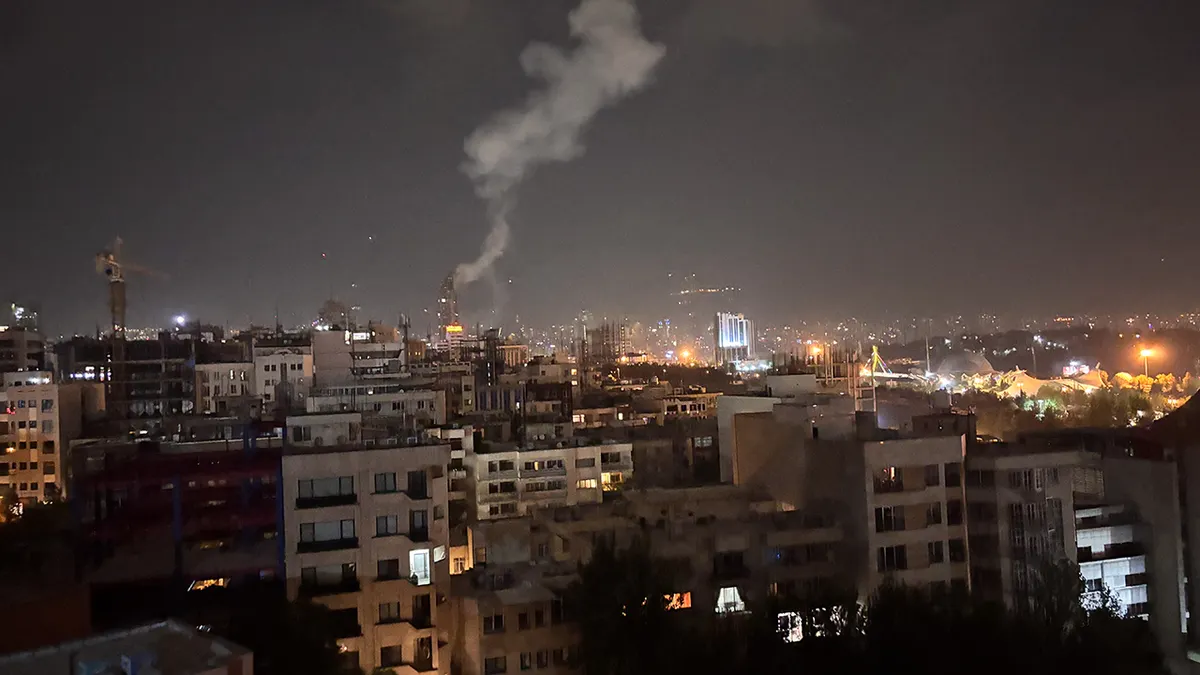
Israeli Defense Minister Israel Katz announced on Monday that the Israeli army carried out an attack on what he referred to as the largest petrochemical facility in Iran, situated in Asaluyeh in the southwestern part of the country. Katz confirmed in a televised statement that this facility was a primary target, producing approximately 50% of Iran's total petrochemical output.
The attack comes amid escalating tensions between Israel and Iran, as Tel Aviv seeks to undermine Tehran's military and economic capabilities. Katz noted that this operation represents a strategic step aimed at affecting Iran's ability to manufacture weapons.
Details of the Attack
During a press conference, Defense Minister Israel Katz described the attack as "intense," emphasizing that the Israeli army continues its efforts to strike vital targets in Iran. The facility targeted in Asaluyeh is considered one of the largest industrial sites in the country and plays a critical role in the Iranian economy.
This move occurs at a sensitive time, as concerns grow over Iran's nuclear program and its expanding influence in the region. The attack on the petrochemical facility could negatively impact the Iranian economy, which is already suffering from international sanctions.
Background & Context
Historically, relations between Israel and Iran have experienced increasing tensions, particularly in recent years. Iran is viewed, according to Israeli officials, as a threat to national security, prompting Tel Aviv to take preemptive actions against what it perceives as potential threats.
Petrochemical facilities in Iran are not only a source of revenue but also part of the military infrastructure. Previous attacks on these facilities have affected Iran's ability to produce weapons, making this attack part of a broader strategy to weaken Iran.
Impact & Consequences
The strike on the petrochemical facility may lead to heightened tensions in the region, with expectations that Iran will respond to this attack in various ways. These responses could include increased military activities or even targeting Israeli interests abroad.
Additionally, this attack could affect global oil markets, as any disruption in Iranian production could lead to rising prices. At the same time, Western nations may seek to reassess their policies toward Iran in light of the recent escalation.
Regional Significance
Neighboring Arab countries are on high alert, as any escalation in tensions could impact regional stability. Some nations may seek to strengthen their alliances with Israel to counter the growing Iranian threats.
Ultimately, the question remains about how this attack will affect regional and international relations, and whether Iran will respond in ways that could lead to further escalation in the area.