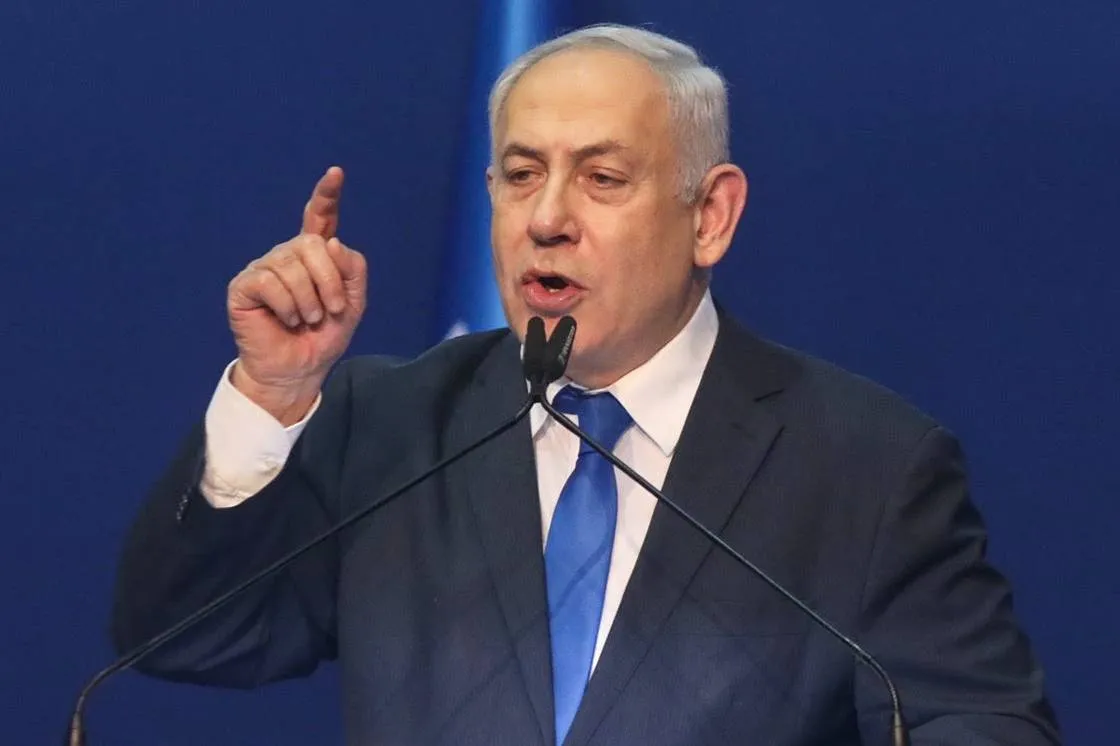
Israeli Prime Minister Benjamin Netanyahu's office announced today (Wednesday) that Israel supports U.S. President Donald Trump's decision to suspend attacks on Iran for a period of two weeks. However, the office emphasized that this ceasefire does not extend to Lebanon, raising questions about the security situation in the region.
Netanyahu's office added that Israel backs the U.S. move on the condition that Tehran immediately opens the Strait of Hormuz and halts attacks on the United States, Israel, and neighboring countries. These statements come after Washington announced the suspension of attacks as part of efforts aimed at de-escalating the conflict and paving the way for negotiations.
Details of the Event
Earlier, sources in the White House confirmed that Israel agreed to a two-week ceasefire and the suspension of military operations against Iran. In this context, Pakistani Prime Minister Shahbaz Sharif, who helped mediate the agreement, stated that the deal includes halting the Israeli campaign in Lebanon.
It is noteworthy that Israeli attacks in Lebanon have resulted in the deaths of at least 1,500 people and the displacement of 1.2 million others. Lebanon became involved in the conflict when Hezbollah launched rockets at Israel in solidarity with Tehran, prompting a violent Israeli response.
Background & Context
These developments come at a sensitive time for the region, as the United States and Iran seek to reach a comprehensive agreement to end escalating tensions. Several countries, including Iraq and Egypt, welcomed the ceasefire, considering it an opportunity to enhance security and stability in the region.
UN Secretary-General António Guterres also stressed the importance of adhering to the ceasefire, urging all parties to work towards achieving lasting peace in the Middle East.
Impact & Consequences
This agreement represents an opportunity to ease tensions in the region, reflecting the willingness of the involved parties to seek diplomatic solutions. However, the question remains regarding the durability of this agreement amid ongoing mutual threats.
Upcoming negotiations between the United States and Iran are expected to shape the future of relations between the two parties, which could significantly impact the security situation in the Middle East.
Regional Significance
These developments are of great importance to Arab countries, as they contribute to shaping the future of regional relations. Egypt and Iraq have expressed their support for efforts aimed at achieving peace, reflecting the desire of Arab nations to enhance regional cooperation.
In conclusion, there is hope that the upcoming negotiations will yield positive results that contribute to achieving stability in the region and alleviating tensions between the involved countries.