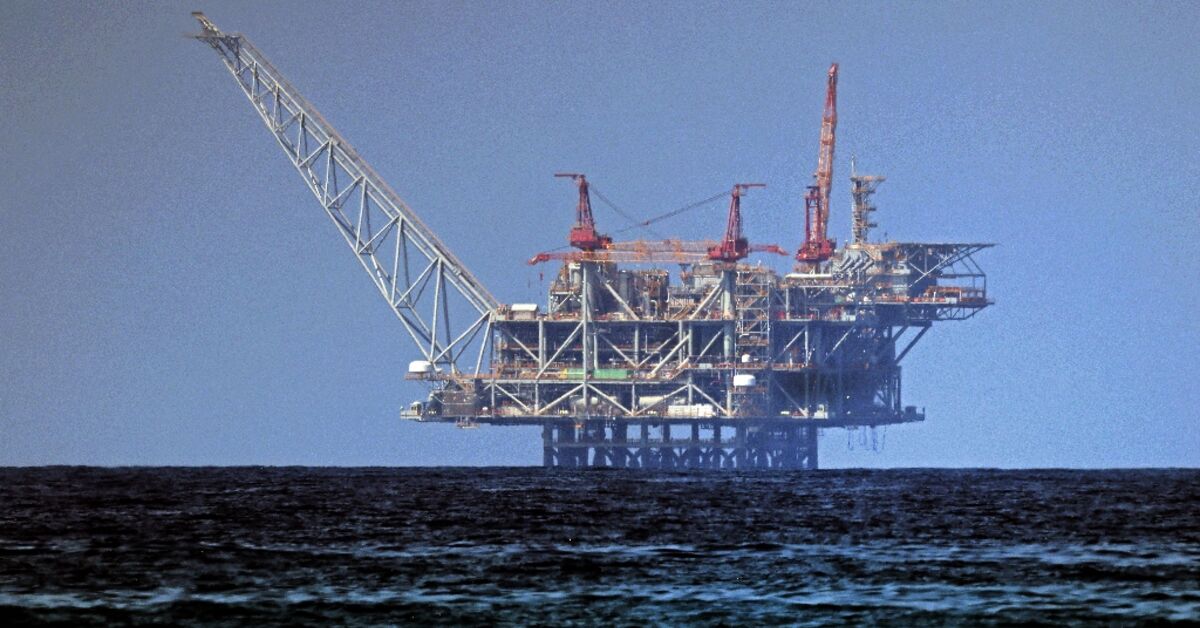
The Iranian pressure on the Strait of Hormuz has disrupted the global economic system, yet Israel, which has launched attacks on Tehran in collaboration with the United States, has emerged as a rare exception. Since the war began on February 28, several economies from Asia to Europe and the United States have been impacted by rising oil and natural gas prices, leading to increased fuel and electricity costs.
Despite the economic crises affecting many countries, Israel has managed to maintain relative stability in its energy sector. This stability comes at a time when global markets are experiencing sharp fluctuations, with oil prices rising significantly due to regional tensions.
Details of the Event
The war in the Middle East began when Israel launched attacks on Iranian sites, escalating tensions in the region. These events occurred at a sensitive time, as the global economy heavily relies on oil flow from the Gulf region, particularly through the Strait of Hormuz, which is a vital corridor for oil transportation.
Many countries have been affected by rising energy prices, with European and American markets facing increasing pressures. However, Israel has been able to leverage its geographic and political position to enhance its ability to secure energy supplies, helping it to navigate this crisis.
Background & Context
Historically, the Strait of Hormuz is a strategic point in the world, through which approximately 20% of the world's total oil passes. There have always been tensions between Iran and Western countries, especially the United States, leading to recurring conflicts in the region. These conflicts often impact global oil prices and cause fluctuations in financial markets.
In recent years, Iran has increased its influence in the region, raising concerns among neighboring countries, including Israel. This concern has prompted Israel to take proactive steps to ensure its security, including collaborating with the United States to carry out military operations against Iranian targets.
Impact & Consequences
The current situation underscores the importance of energy market stability for global economies. Rising oil and gas prices can lead to increased inflation, negatively affecting economic growth. At the same time, Israel may benefit from this situation to bolster its position as a leading energy state in the region.
Additionally, these events may lead to a reassessment of energy strategies in many countries, as they may seek to reduce their dependence on Iranian oil and enhance alternative energy sources. This shift could open new avenues for investment in renewable energy.
Regional Significance
The current situation in the Middle East has significant implications for Arab countries. Rising energy prices could increase economic pressures on oil-importing nations, potentially affecting their economic and political stability. Conversely, oil-producing countries may benefit from higher prices, enhancing their capacity for economic growth.
Ultimately, the tensions in the region remain a major concern, as any further escalation could exacerbate economic crises. It is crucial for Arab countries to remain vigilant to these developments and work to enhance their cooperation in the energy sector to ensure their economic stability.