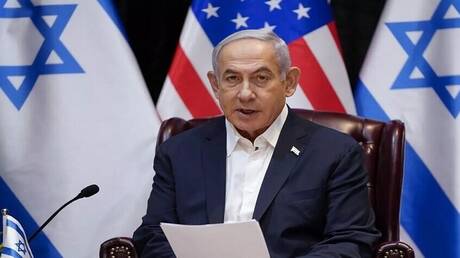
In recent statements, Israeli Prime Minister Benjamin Netanyahu announced that Israel is continuing its military operations against strategic targets in Iran, aiming to weaken what he described as the "terror regime." Netanyahu emphasized that these airstrikes do not target the Iranian people but focus on the military infrastructure of the Iranian regime.
These remarks come at a time when tensions between Israel and Iran are escalating, as Tel Aviv seeks to enhance its national security by targeting Iranian military activities that it considers a direct threat. Netanyahu pointed out that military operations include bombing railways and vital facilities that support Iranian military activities.
Details of the Operations
The Israeli military operations involve targeting sensitive sites in Iran, with several airstrikes carried out in recent weeks. According to military sources, these strikes aim to undermine Iran's ability to transport weapons and ammunition to armed groups in the region, such as Hezbollah in Lebanon.
Netanyahu also confirmed that Israel will continue these operations until its objectives of weakening the Iranian regime are achieved, indicating that his country will not hesitate to take necessary measures to protect its national security. These statements have sparked mixed reactions in political and military circles in the region.
Background & Context
Historically, relations between Israel and Iran have been tense, with Israel considering Iran one of the greatest threats to its security. Recent years have seen an escalation in military activities between the two sides, including cyberattacks and covert operations. Iran also supports numerous armed groups in the region, complicating the security landscape further.
Israel seeks to strengthen its alliances with moderate Arab countries to counter the Iranian threat, having signed normalization agreements with several nations in the region. These alliances reflect Israel's desire to form a united front against common threats.
Impact & Consequences
The Israeli military operations could escalate tensions in the region, potentially negatively impacting regional security. Additionally, these strikes may provoke reactions from Iran or its allies, increasing the likelihood of a larger conflict.
Moreover, the continuation of these operations could affect international relations, as major powers like the United States and Russia may intervene in an attempt to calm the situation. At the same time, Arab countries may find themselves in a difficult position between supporting Israel or maintaining their relations with Iran.
Regional Significance
The current developments in Israeli-Iranian relations have significant implications for Arab countries, which are closely monitoring any potential escalation. Israeli military operations could heighten fears of increased violence in the region, affecting political and economic stability.
These events may also strengthen the position of Arab countries seeking to enhance their relations with Israel in the context of countering Iranian threats. However, there are concerns that these moves could exacerbate humanitarian conditions in conflict-affected areas.
In conclusion, developments in Israeli-Iranian relations remain of great interest, as both Tel Aviv and Tehran strive to achieve their strategic objectives in a tense and complex environment.