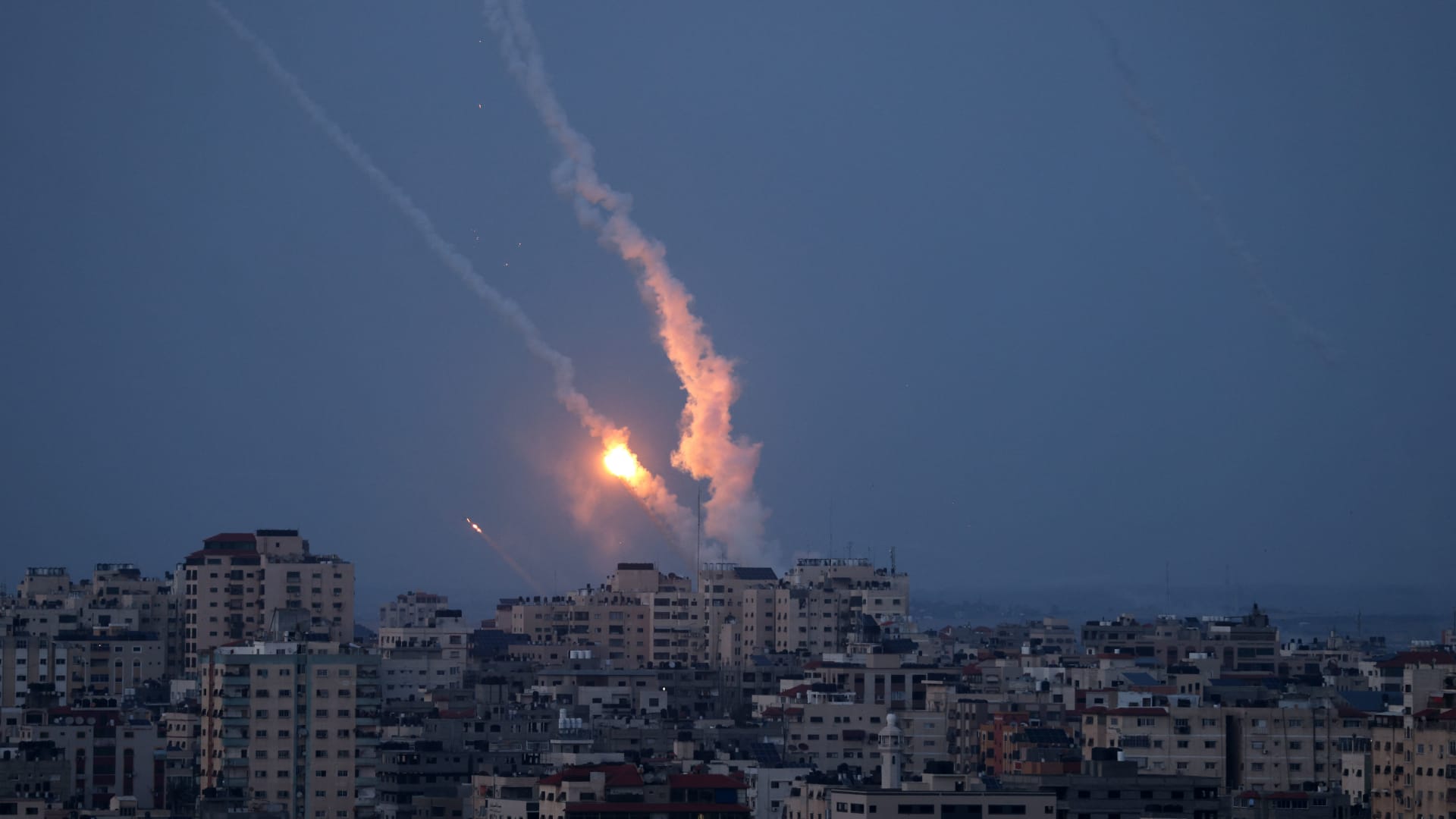
In a strong statement, Lebanese President Joseph Aoun affirmed that the Israeli attacks on vital infrastructure in southern Lebanon, notably the assault on the Qasimiya Bridge spanning the Litani River, are considered "collective punishment and expansionism."
Aoun indicated that these attacks are part of a broader scheme aimed at systematically destroying infrastructure, civilian facilities, and residential areas in Lebanese villages, constituting a blatant violation of international humanitarian law. He pointed out that targeting the bridges over the Litani specifically, which serve as critical crossing points linking southern Lebanon to the rest of the country, obstructs humanitarian access and enhances Israeli control over the land.
Furthermore, the Lebanese President urged the international community to take action and halt these Israeli acts in the region. This statement comes at a sensitive time marked by escalating tensions, with military escalation between Lebanon and Israel increasingly persistent.
The historical context of the Lebanese-Israeli conflict extends beyond recent events, as Lebanon has witnessed several wars with Israel, the latest being in 2006, which resulted in massive destruction of Lebanese infrastructure and severe human casualties. Over time, Israel has directly targeted infrastructure as a means to pressure Lebanon, which has become a distinctive feature of its military policies.
The implications of these actions are significant, as Israeli attacks exacerbate feelings of vulnerability among Lebanese citizens and contribute to rising hostility towards Israel. The ongoing situation also impacts the humanitarian condition in Lebanon, where the refugee crisis and essential resources such as water and electricity are becoming more strained, leading to heightened social tensions.
Conversely, the Arab region has witnessed several similar incidents regarding military conflicts and attacks on infrastructure, such as in Syria, Yemen, and Palestine. Arab communities’ optimism for stability and development is waning due to these enduring conflicts, necessitating unified Arab efforts to confront threats from external powers.
Thus, the pressing question remains: how can the Arab world, including Lebanon, find a way to enhance its unity and avert crises from erupting similarly to the current situation? The statements made by high-ranking officials, such as President Aoun, reflect the urgent need for effective international action to stop Israeli violations and to provide support for Lebanon and affected communities.
Moreover, the current situation in Lebanon mirrors a troubled reality affecting the daily lives of citizens, where rebuilding trust between citizens and the state is essential, along with promoting security and human rights. Hence, Lebanese authorities should focus on empowering their community and reducing the impact of external conflicts on internal living conditions.
Arab nations have taken encouraging steps, but the conditions in Lebanon still require intensive international attention to provide humanitarian support and effective reconstruction. Urgent and swift measures are necessary to alleviate the suffering of the people and to contribute to some hope for a more stable future.
Consequently, President Joseph Aoun’s position embodies the complex challenges facing Lebanon in light of repeated attacks, emphasizing the importance of global awareness regarding the catastrophic impact of these assaults on the broader Arab communities.