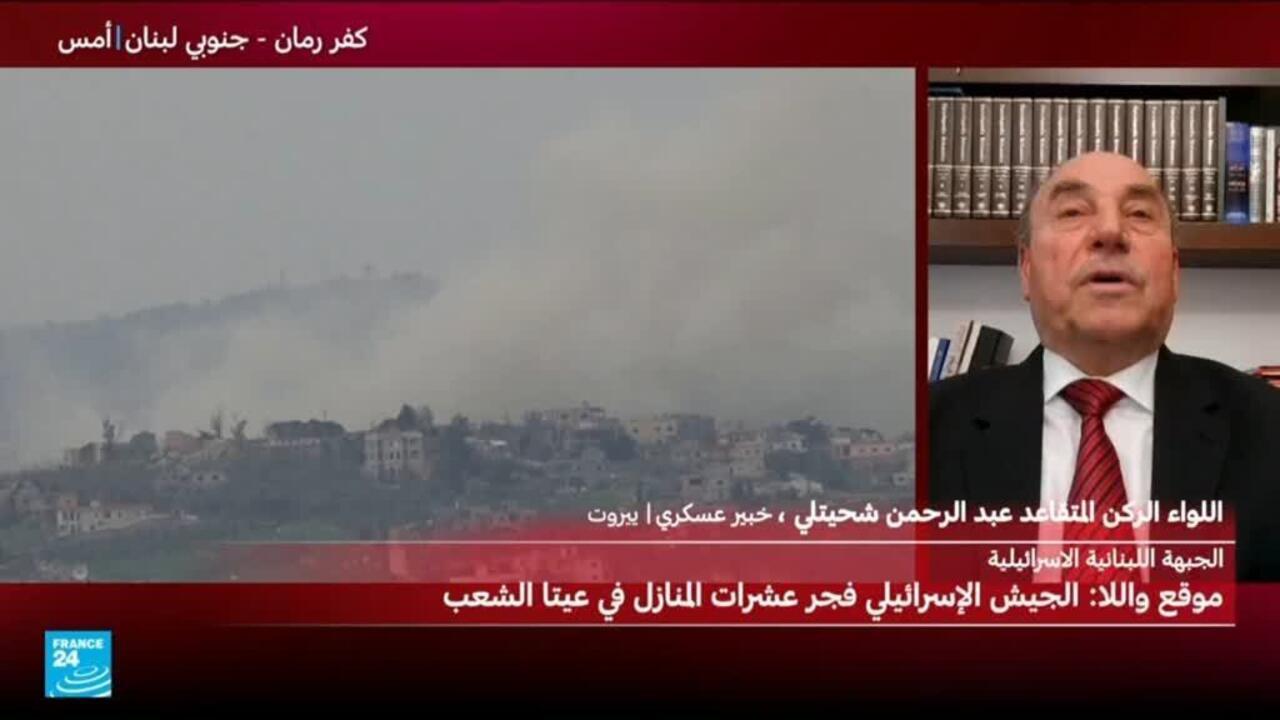
In an unprecedented military escalation, the Israeli army has reported targeting over 3500 sites throughout Lebanon within a month since the onset of hostilities with Hezbollah. These confrontations began on March 2, after Hezbollah launched missiles into Israeli territory in retaliation for the assassination of Iranian Supreme Leader Ali Khamenei on the first day of the U.S.-Israeli attack.
These developments come at a time of increasing tensions in the Middle East, where regional and international dimensions are intertwining in the ongoing conflict. This escalation has raised widespread concern in the international community, prompting many countries to call for restraint and to avoid further military escalation.
Details of the Military Operations
According to data released by the Israeli military, the operations conducted by Israeli forces targeted Hezbollah sites, including weapon depots and command centers. These attacks were carried out using warplanes and artillery, resulting in the destruction of a significant number of military targets.
Reports indicate that Hezbollah responded to these attacks by launching missiles at various locations in Israel, leading to injuries and material damage. Both sides appear prepared for further escalation, heightening tensions in the region.
Background & Context
Historically, relations between Israel and Hezbollah have seen continuous escalation since the 2006 war, with Hezbollah being one of the most prominent armed factions in Lebanon, known for its capability to execute complex military operations. Additionally, Iranian support for Hezbollah has complicated the situation, as Iran views Hezbollah as part of the resistance axis against Israel.
Political assassinations, such as the killing of Ali Khamenei, play a pivotal role in escalating tensions, as these events act as a spark that ignites existing conflicts. These occurrences have significantly impacted regional security, making matters more complex.
Impact & Consequences
This military escalation is expected to have significant implications for the security situation in both Lebanon and Israel. The continuation of fighting may exacerbate humanitarian conditions in Lebanon, where the population is already suffering from the effects of ongoing conflict. Furthermore, the escalation could draw other countries into the conflict, complicating the regional situation further.
Moreover, the continuation of military operations may affect international relations, with major powers like the United States and Russia potentially intervening in an attempt to calm the situation. This could lead to shifts in regional and international alliances.
Regional Significance
This military escalation poses a threat to security and stability across the Arab region as a whole. The conflict between Israel and Hezbollah could impact neighboring countries such as Syria and Jordan, which may be affected by the security and economic repercussions of the conflict.
Additionally, the situation in Lebanon could negatively affect economic and social conditions, increasing the suffering of the Lebanese people who are already facing multiple crises. In this context, the international community must take effective steps to contain the escalation and prevent the situation from worsening.
In conclusion, the question remains: Will Israel be able to control southern Lebanon and maintain a presence there, or will the military escalation lead to counterproductive outcomes that plunge the region back into a cycle of violence and conflict?